

| Date | 31 March 2026, 6:00pm–7:30pm |
|---|---|
| Cost | Free |
| Bookings | Bookings required |
| Location | Theatrette via Entry 3, La Trobe Street |
Reading Habits/Habitual Reading 1550-1700
What did everyday men and women between the early modern period actually read?
The 2026 Foxcroft Lecture delivered by Professor Danielle Clarke will focus on how everyday readers from 1550-1700 thought about books. For some early modern readers, owning or being seen with a particular book was a way of signalling learning or social ambition, and in some cases, to appear more knowledgeable than they were.
Drawing on the John Emmerson Collection at State Library Victoria, as well as examples from libraries worldwide, this lecture offers a vivid picture of reading as a lived, material practice.
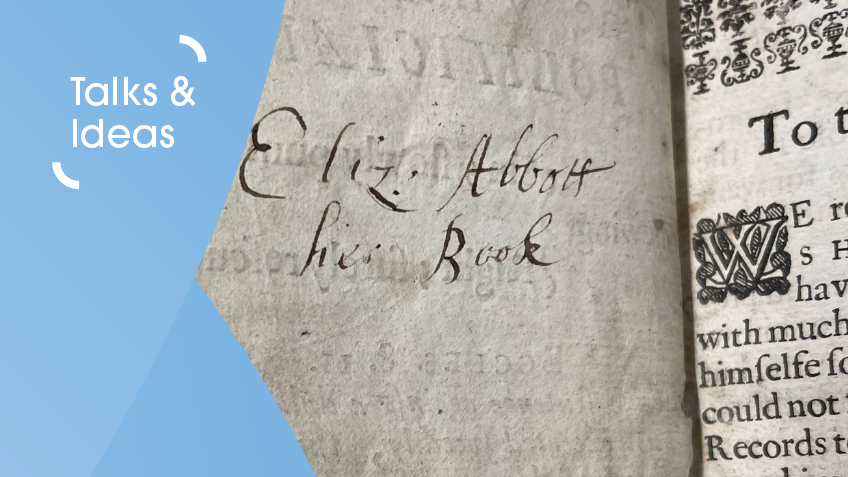
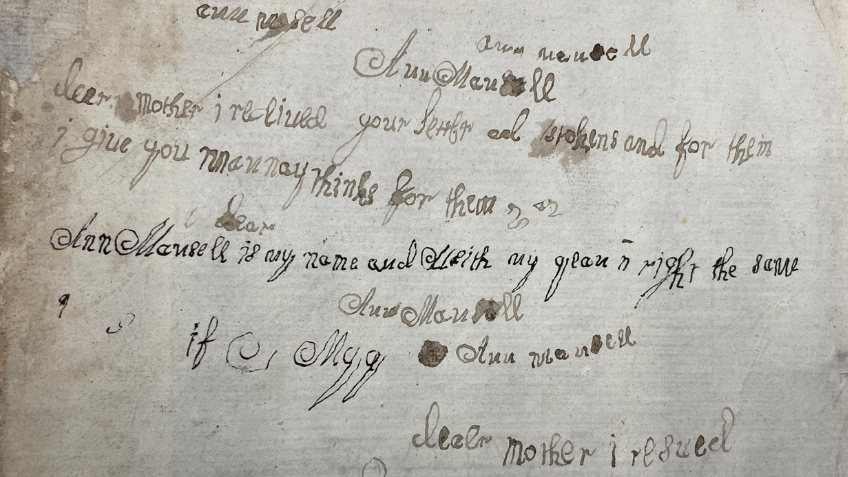
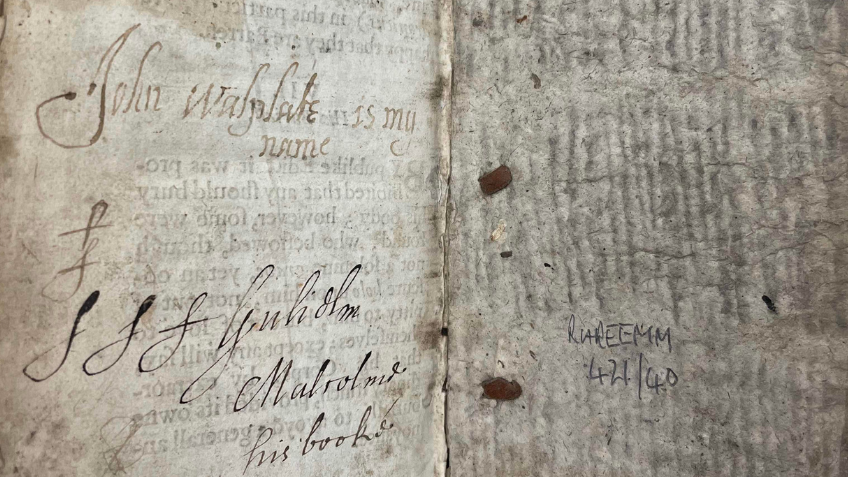
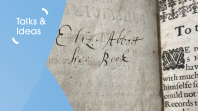
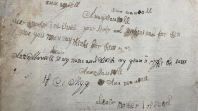
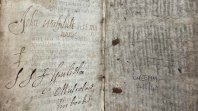
Observe ownership marks, annotations, doodles and other forms of material traces of reading habits – an insight into the literary customs of this era.
This event will be livestreamed. Auslan interpretation is available on request.
Doors will open from 5.45pm.
Book your tickets now.
About Professor Danielle Clarke
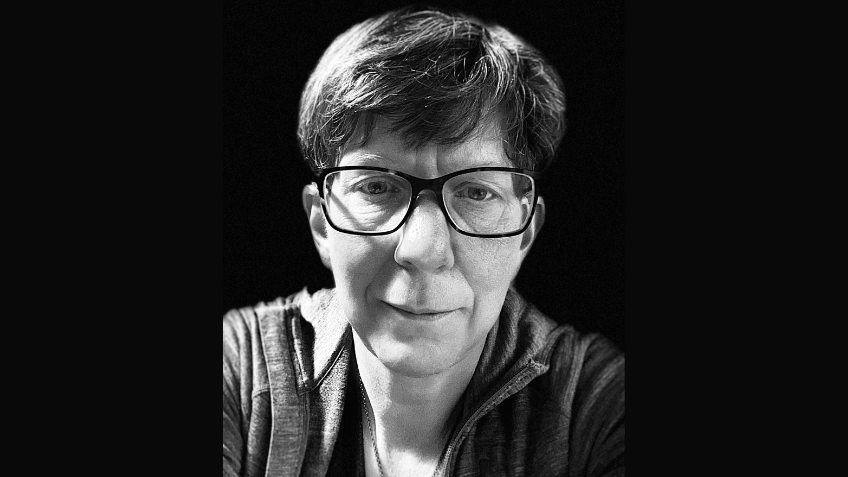
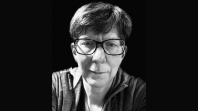
Danielle Clarke is Professor of Renaissance Literature at University College Dublin. She is the editor of Three Renaissance Women Poets (Penguin Classics, 2000) and has written extensively on early modern women’s writing, editing and textual questions. She is currently working on an edition of the poetry of Lady Anne Southwell with Christina Luckyj and Victoria Burke, contracted to The Other Voice series with Iter Press. She is finalising a monograph called Forms of Women’s Writing, 1550-1700: Quotidian Writing and Literary Production.
About the Foxcroft Lecture
The annual Foxcroft Lecture honours the pioneering bibliographer Albert Broadbent Foxcroft, who began working at State Library Victoria in 1902 at the age of 17 until his untimely death in 1938. He left an enduring legacy of scholarship and was highly regarded and influential in developing the Library's rare books collection.

Privacy
Our privacy collection notice and privacy policy provide information about how we collect and use your information, and how you can contact us.
Please note
The views expressed by the presenting artist are their own and do not necessarily reflect those of the Library. The Library is dedicated to fostering open dialogue and creativity, supporting artistic expression and the exchange of diverse perspectives.