

Journey through the collection: the Best Overend architectural collection
-
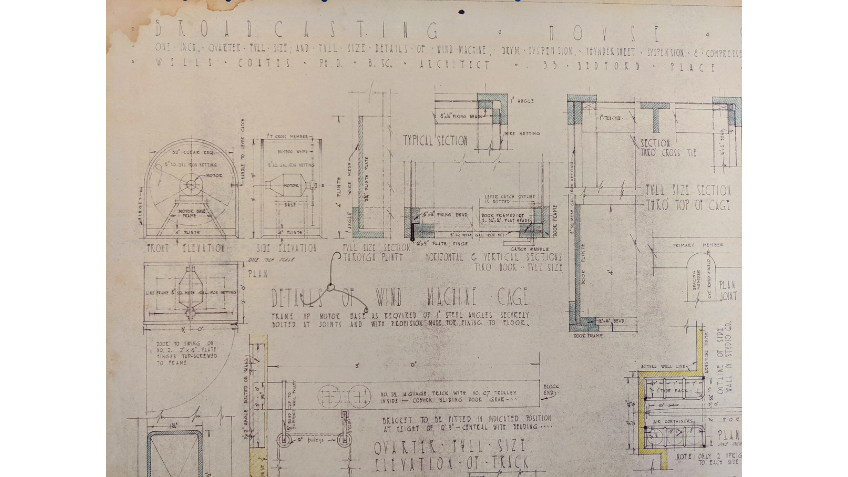
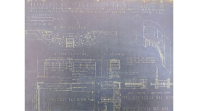
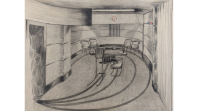
1. Broadcasting House wind cage. 1933? Wells Coates. This item is in copyright. LTAD 234/145 -
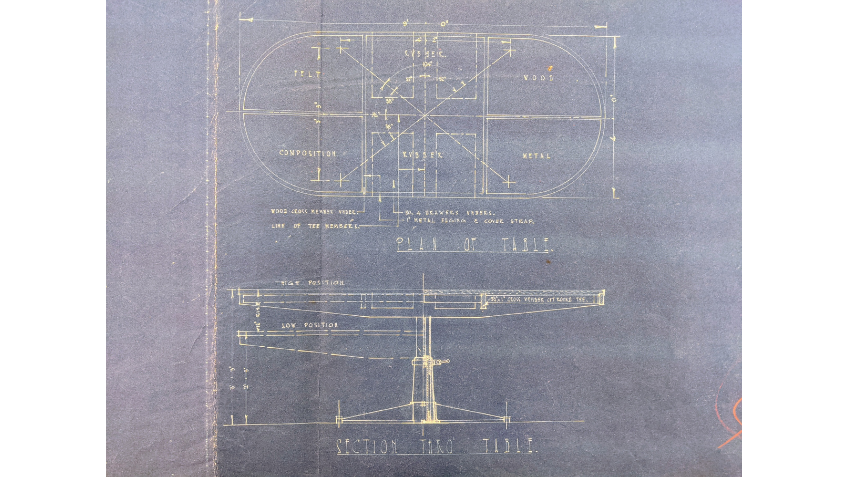
2. Broadcasting House sound effects table. 1933? Wells Coates. This item is in copyright. LTAD 234/145 -
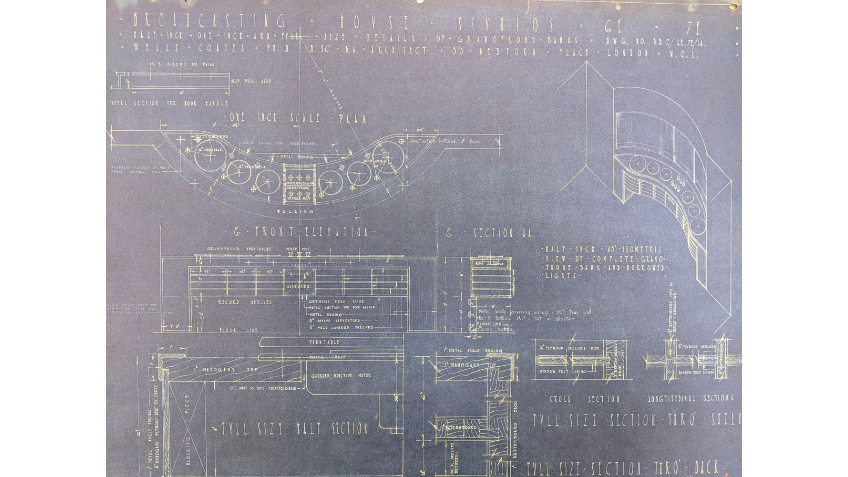
3. Broadcasting House gramophone banks. 1933? Wells Coates. This item is in copyright. LTAD 234/145 -
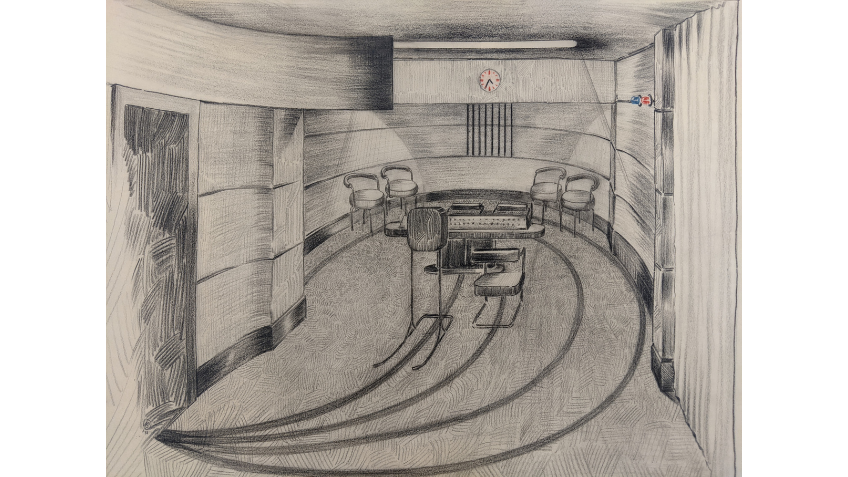
4. Broadcasting House recording studio. 1933? Wells Coates. This item is in copyright. LTAD 234/145 -
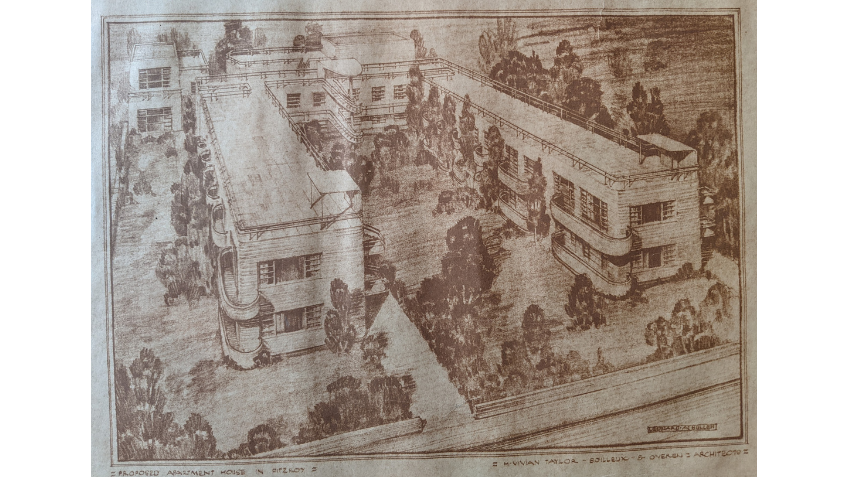
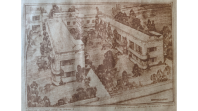
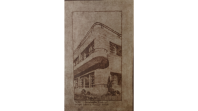
5. Cairo Flats overview. 1935. Best Overend. This item is in copyright. LTAD 234/240 -
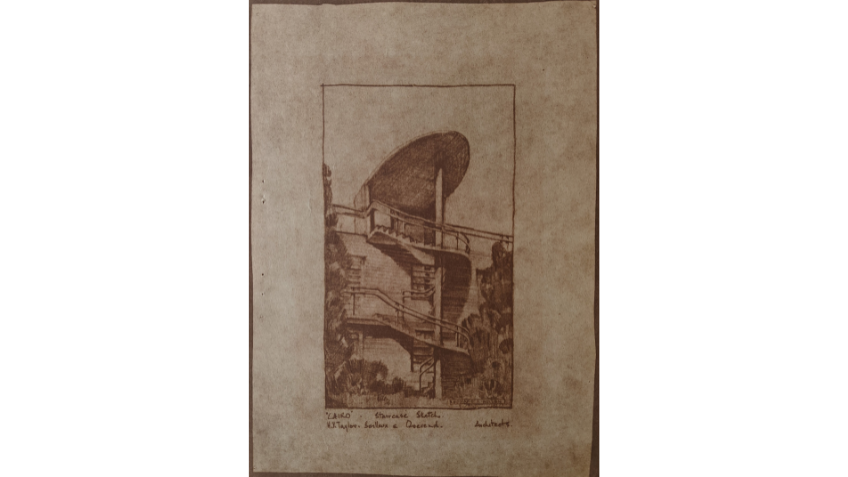
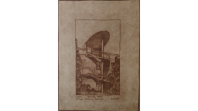
6. Cairo Flats staircase. 1935. Best Overend. This item is in copyright. LTAD 234/240 -
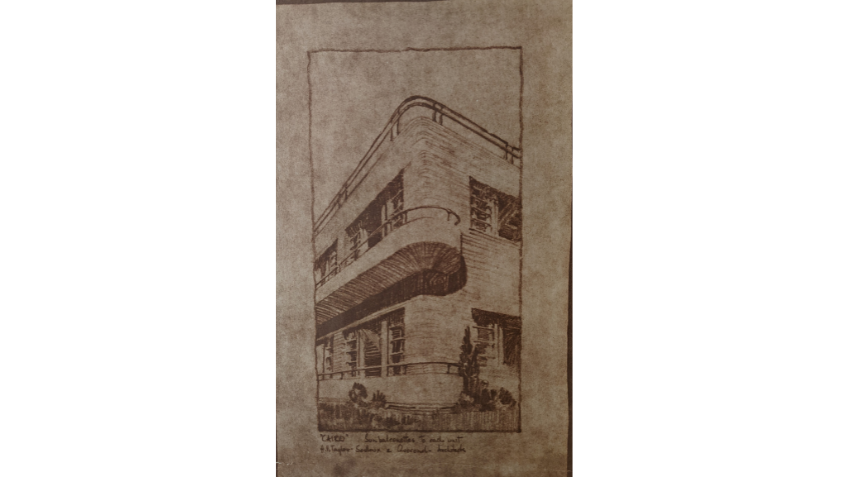
7. Cairo Flats sun balconettes. 1935. Best Overend. This item is in copyright. LTAD 234/240 -
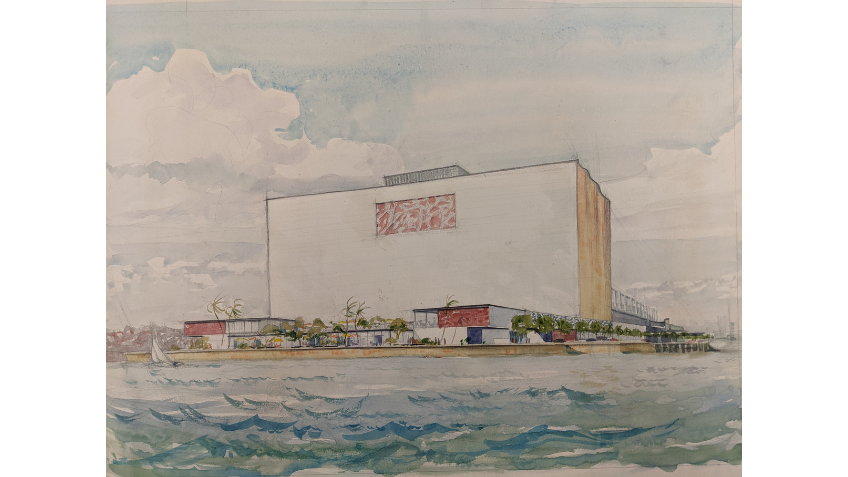
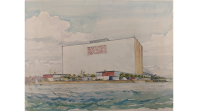
8. Sydney Opera House competition. 1956. Best Overend. This item is in copyright. LTAD 234/84 -
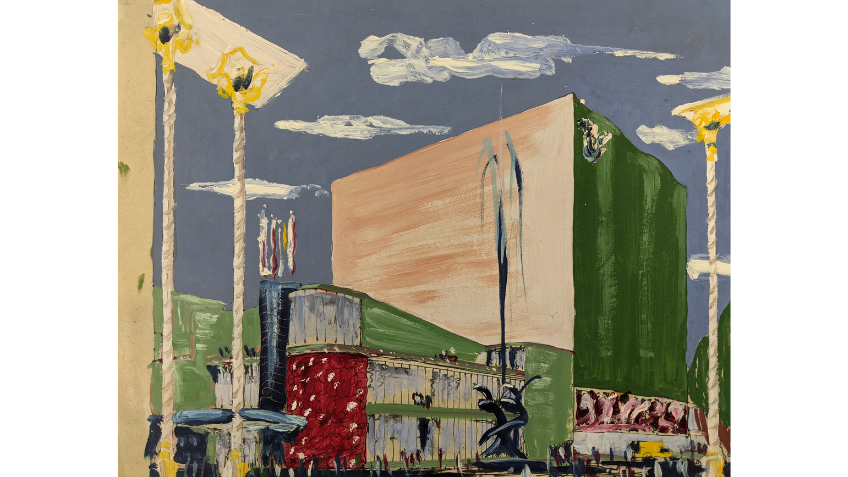
9. Sydney Opera House competition. 1956. Best Overend. This item is in copyright. LTAD 234/84 -
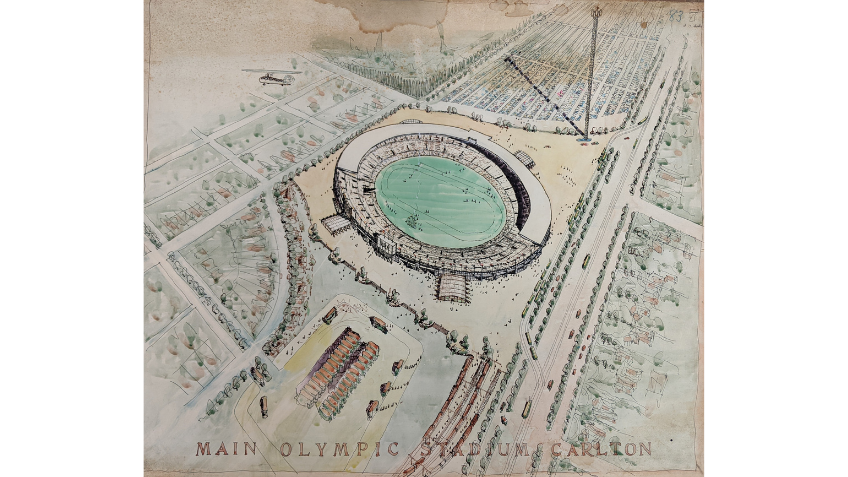
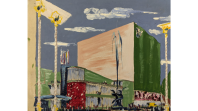
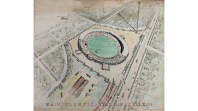
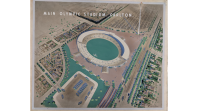
10. Olympic stadium, Carlton. 1952. Best Overend. This item is in copyright. LTAD 234/163 -
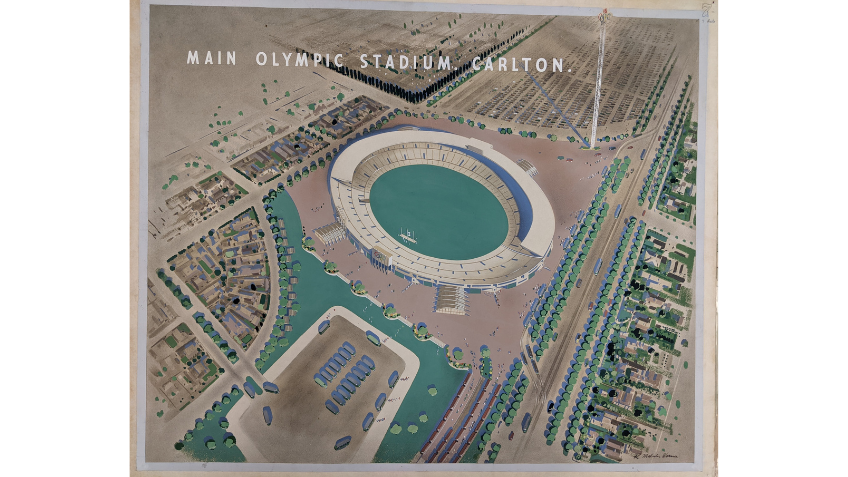
11. Olympic stadium, Carlton. 1952. Best Overend. This item is in copyright. LTAD 234/163 -
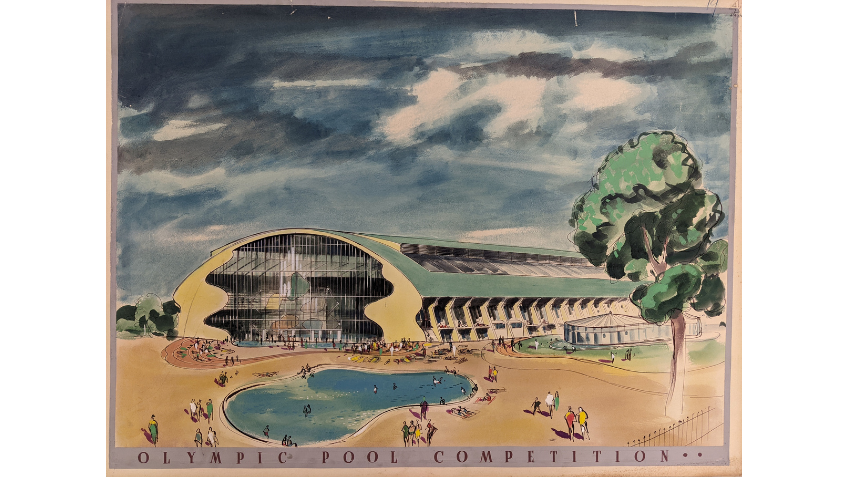
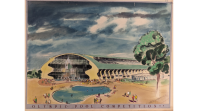
12. Olympic Pool. 1952. Best Overend. This item is in copyright. LTAD 234/162 -
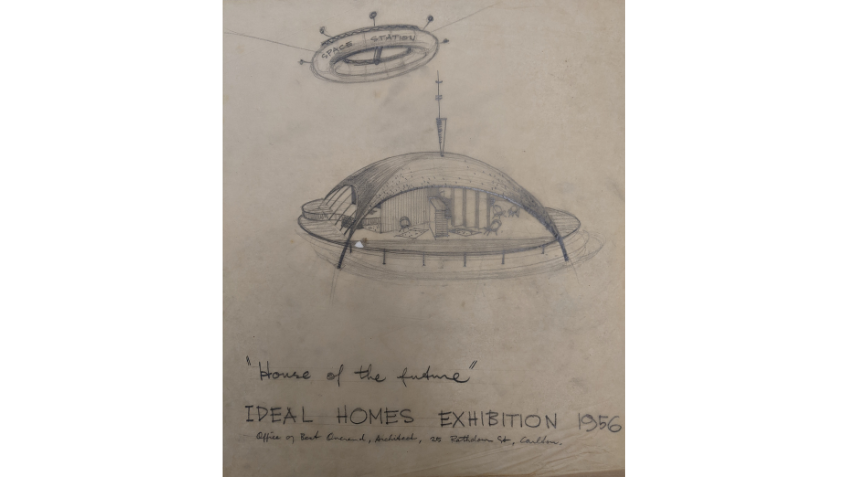
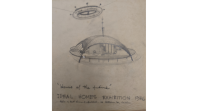
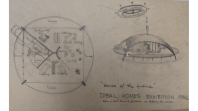
13. House of the future. Best Overend. This item is in copyright. LTAD 234/198 -
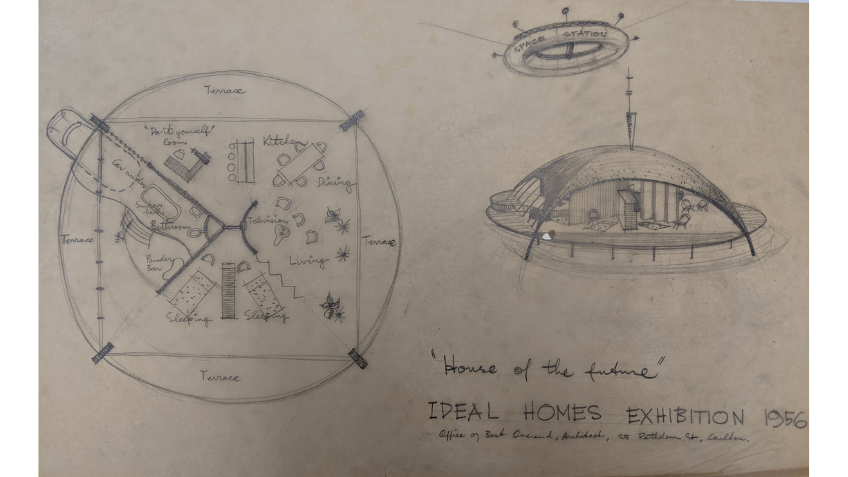
14. House of the future. Best Overend. This item is in copyright. LTAD 234/198
Written by Lucas Manuell
One of the more recent architectural additions to the State Collection is the work from Melbourne modernist, architect Acheson Best Overend. Like with many large collections that the Library is lucky enough to receive, there’s always a few highlights within a collection that catch the eye for one reason or another and I’ve featured a few of them here.
Best started his career working with architect H. Vivian Taylor who specialised in enhancing and creating acoustics for cinemas throughout Melbourne and Australia. It was while working here the lure of Europe took hold and led him overseas to work with British architect Wells Coates. To our surprise, some of Wells’ drawings of the BBC Broadcasting House (shown in images one to four) special effects rooms have made their way into our architectural collection which was such a fabulous discovery. The highlights of these being the details for the ‘sound effects table’ and ‘wind machine’. The table consisted of multiple material such as wood, metal and felt and was used to create various sound effects for radio plays. Sadly, now decommissioned due to the lack of radio play demand, these drawings represent the type of cutting-edge special effects of the 1930’s and very much represent a ‘hidden gem’ of the State Collection.
I could easily get caught up in the magic of Wonderful Wells and his radio drama sound effect studios, but this post isn’t about him, so I’ll move on to what Best is best known for (pun intended), his 1935 creation of Cairo Flats (shown in images five to seven) which is hidden behind lush greenery in Nicholson Street, Carlton. A darling of the modernist Melbourne movement, these were the kinds of flats that would currently make Melburnians wish they were still made. Surrounded by beautiful gardens, adorned with spectacular cantilevering stairs, constructed with burnt clinker bricks. They were designed as minimalist space with maximum bang for buck as ‘bachelor’ flats consisting of just one single main room or one with a separate living and bedroom. With the unique U shape complementing communal living amenities, Cairo Flats represented modern practicality mixed with a luxurious touch. Cairo Flats is an obvious highlight of the work of Best and these sketches of the design really captures a beauty rarely seen in current apartment style living.
Now that we’ve touched on some of the flagship design aspects of Best’s career, I want to share some of his fun creations discovered while working closely with this fabulous collection. Architectural design competitions are popular with all architects and thankfully Best entered his fair share. The Sydney Opera House (shown in images eight and nine) was one famous architectural competition and Best’s proposal for this building includes some wonderful paintings and sketches that put a different spin on this now iconic building. It looks strange to see this contrasting view to the existing Opera House but who’s to say how we’d view it if it was the winning entry, maybe this one is just a little too modernist and practical for the opera crowd…
The 1956 Olympic stadium and swimming pool (shown in images 10-12) is another favourite competition discovery with the amazingly colourful drawings of the proposed stadium site at the Carlton Princes Park precinct especially eye catching with the alternative use of the familiar space. Note the train lines located in the bottom corner and immense car parks at the city end – a much different look than what we’re used to today.
Is a Jetsons reference outdated? Best’s take on a ‘House of the Future’ (shown in images 13 and 14) from the 1956 Ideal Homes Exhibition has that classic futuristic sci-fi look but the open plan living isn’t too far from the mark for what to expect with housing now days. Another fun discovery that highlights how architects are always looking to innovate.