
1000 Days: Peter Carey on
True History of the Kelly Gang
↓
Scroll
Acknowledgement of Country
State Library Victoria acknowledges the traditional lands of all the Victorian Aboriginal clans, and their cultural practices and knowledge systems.
We recognise that our collections hold traditional cultural knowledge belonging to Indigenous communities in Victoria and around the country. We support communities to protect the integrity of this information, gathered from their Ancestors in the colonial period.
We pay our respects to their Elders, past and present, who have handed down these systems of practice to each new generation for millennia.
We recognise that our collections hold traditional cultural knowledge belonging to Indigenous communities in Victoria and around the country. We support communities to protect the integrity of this information, gathered from their Ancestors in the colonial period.
We pay our respects to their Elders, past and present, who have handed down these systems of practice to each new generation for millennia.
Standfirst
1000 Days: Peter Carey on True History of the Kelly Gang is an interactive digital exhibition created for the exhibition Creative Acts: Artists and their Inspirations featuring new commissions by Australian creators alongside collection highlights from the State Library that trace the spiritual connections, rituals and deeply personal quests behind artistic practice.
Warning
This digital exhibition contains disturbing imagery, including scenes of violence, death and distressing content. Some viewers may find these themes upsetting.
Introduction
Peter Carey (born 1943, Victoria) is the award-winning author of more than 20 novels, short stories and screenplays. Since 1990 he has lived in New York, where he taught creative writing for more than 2 decades. Twenty-five years ago, he wrote True History of the Kelly Gang, a fictional autobiography by Australia’s most notorious bushranger, Ned Kelly. The story, we are told, is pulled together from bundles of torn and ragged papers retrieved during the smouldering remains of the Gang’s last siege at Glenrowan that had been transferred to the ‘Melbourne Public Library’. The book is addressed to Kelly’s daughter – a child who Carey invents. In a twist on its fictional origin, State Library Victoria holds the true archive of Carey’s novel. It contains thousands of his manuscript pages, notebooks, research materials, photographs, emails and the laptop on which the story was written.
On its own, the archive can only suggest the creative process behind the book, an experience Carey likens to walking a tightrope. For this exhibition he recalls the thousand days he took to write True History, and the 30 years it gestated within him. He recounts his first encounter with paintings from Sidney Nolan’s Ned Kelly series and Kelly’s own Jerilderie Letter, which inspired the lead voice of the novel; as well as the intonations of his childhood, his extensive research for the manuscript and its editing. This digital exhibition draws together and illustrates these different time periods to better understand the book’s development, an undertaking Carey otherwise likens to grasping at a constantly moving river or cloud.
Kate Rhodes, Senior Curator, State Library Victoria
On its own, the archive can only suggest the creative process behind the book, an experience Carey likens to walking a tightrope. For this exhibition he recalls the thousand days he took to write True History, and the 30 years it gestated within him. He recounts his first encounter with paintings from Sidney Nolan’s Ned Kelly series and Kelly’s own Jerilderie Letter, which inspired the lead voice of the novel; as well as the intonations of his childhood, his extensive research for the manuscript and its editing. This digital exhibition draws together and illustrates these different time periods to better understand the book’s development, an undertaking Carey otherwise likens to grasping at a constantly moving river or cloud.
Kate Rhodes, Senior Curator, State Library Victoria
Labels
The following text on True History of the Kelly Gang is written by Peter Carey.
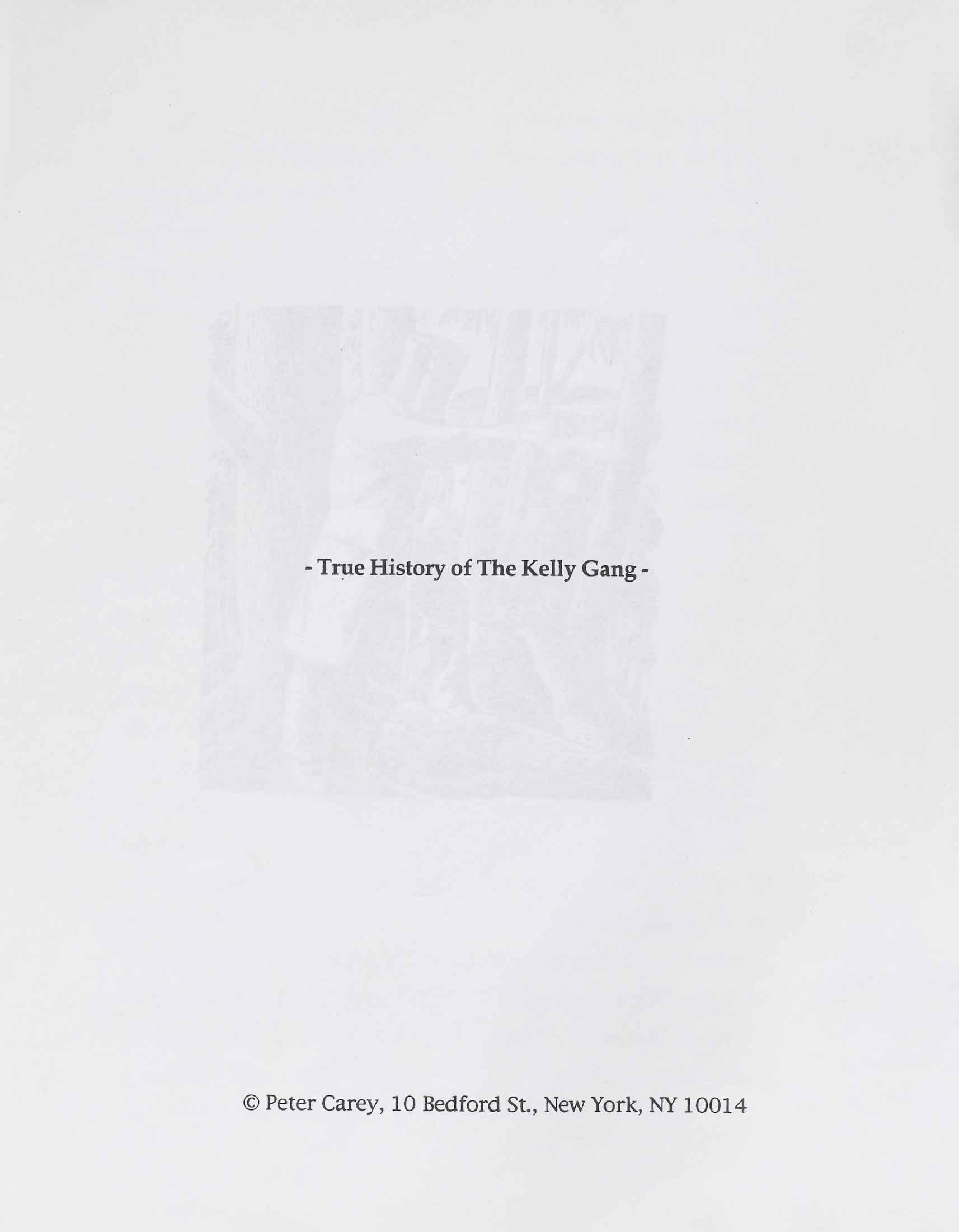
“How very weird to return to this old manuscript, the scene of so much doubt and anguish, not to say obsession.”
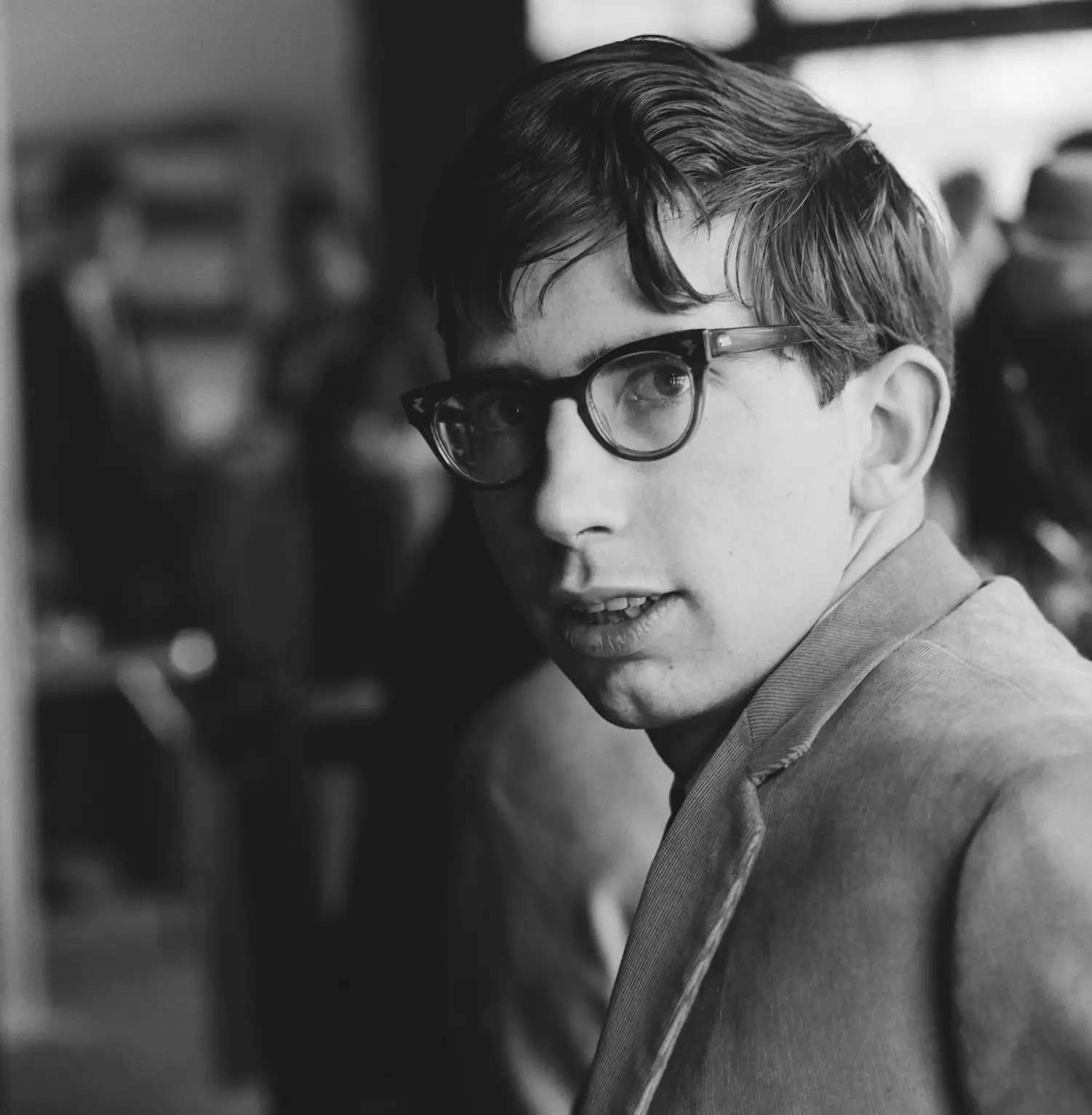
“I was a baby when the seed was planted, three years out of school, two years since my devastating failure in the first year of a science degree. I had drifted into advertising where the gods determined I would fall among novelists and playwrights who would lead me to a place I could never have imagined.”
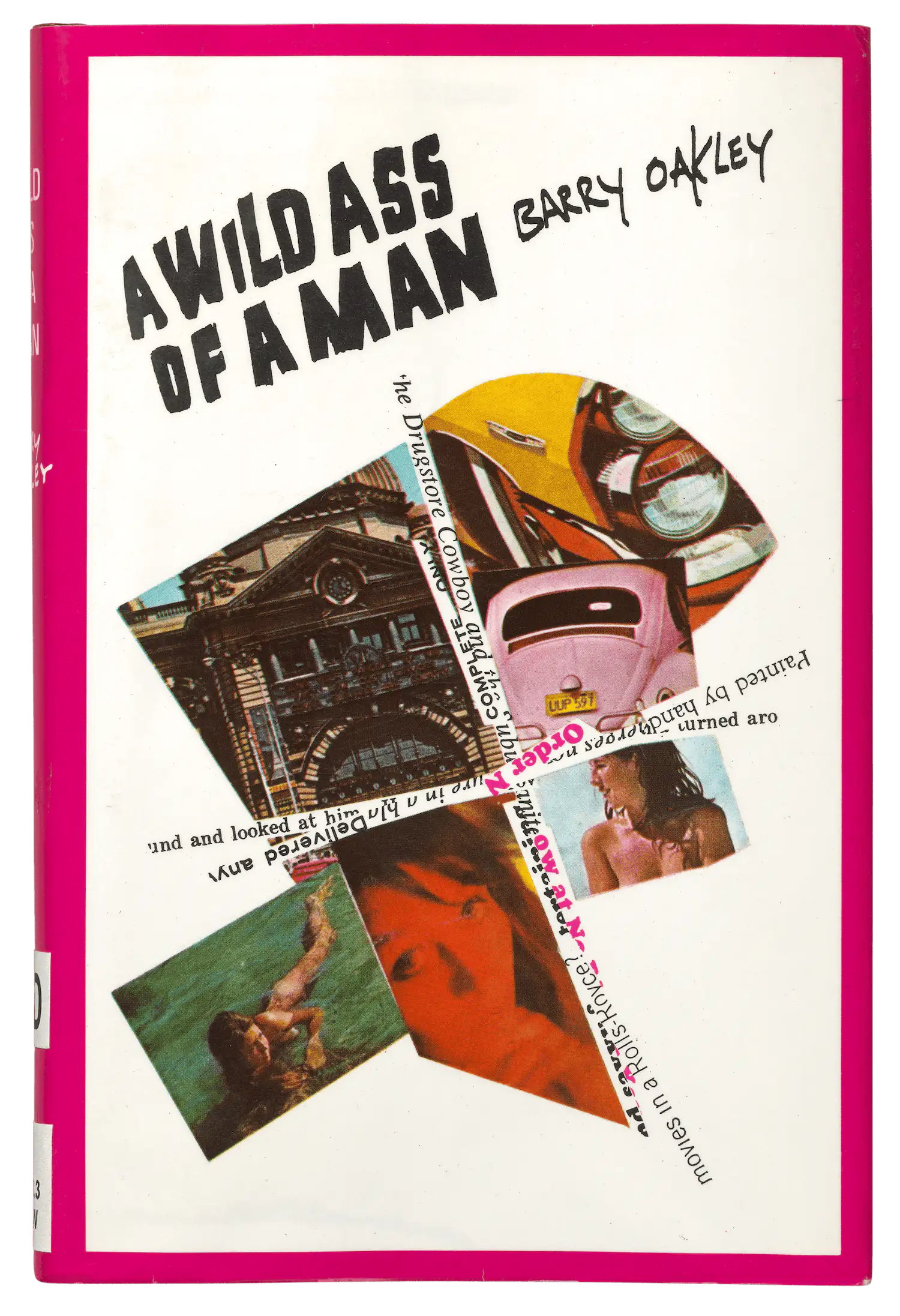
“My most important workmate was a former school teacher, 32 years old, the father of six children, but an apprentice just as I was, still waiting for the day when his copy would be accepted by our boss. I drove Barry Oakley to work.”
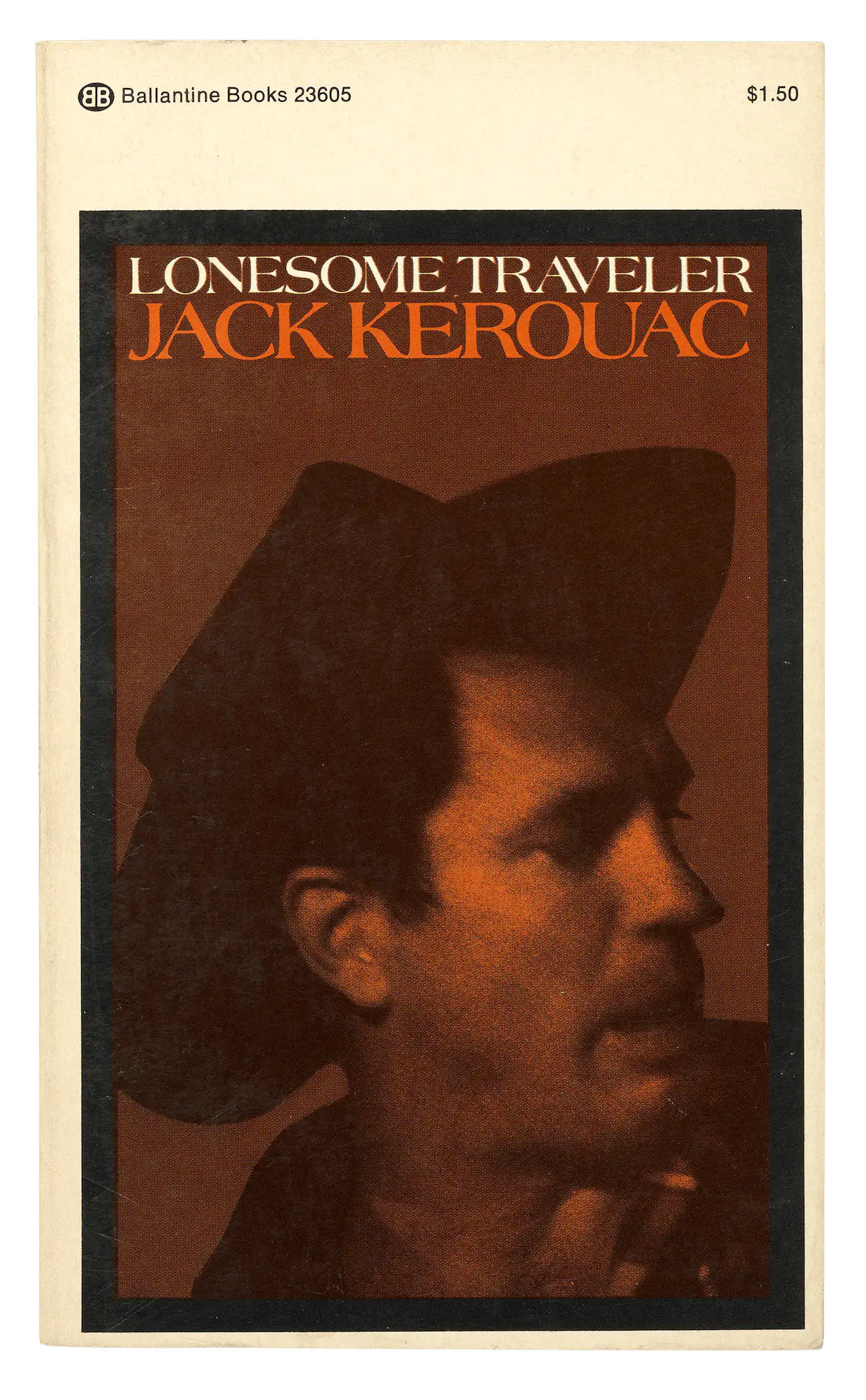
“He gave me Kerouac’s <span class='underline'>Lonesome Traveler</span> and other books he had reviewed, made sure that I saw Chekhov and Beckett and Ionesco, accompanied me to the first two art exhibitions of my life.”
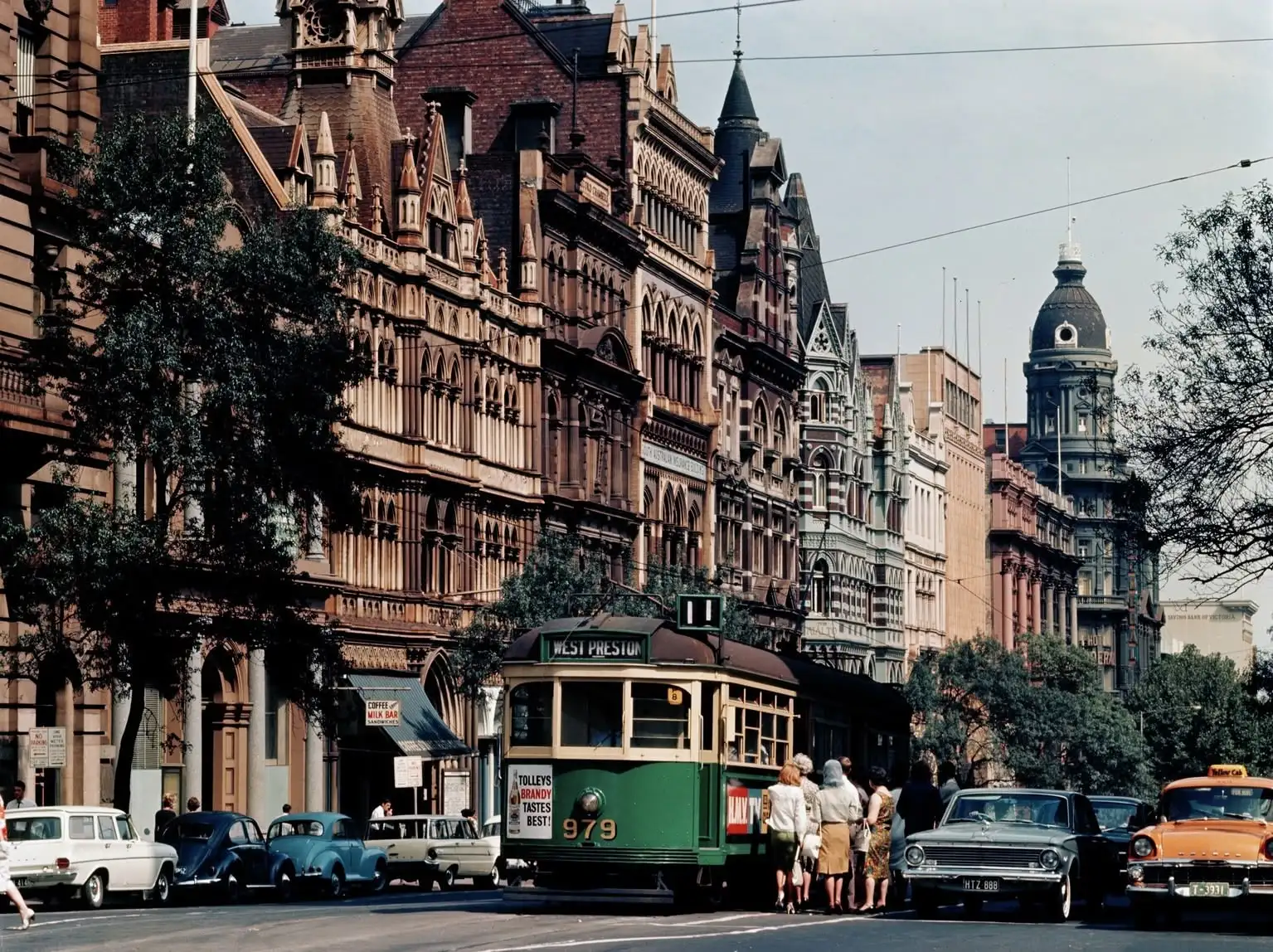
“It was lunchtime at the office when we boarded the tram to see <span class='underline'>The Ned Kelly Paintings 1946–47: Sidney Nolan</span> at George’s Art Gallery.”
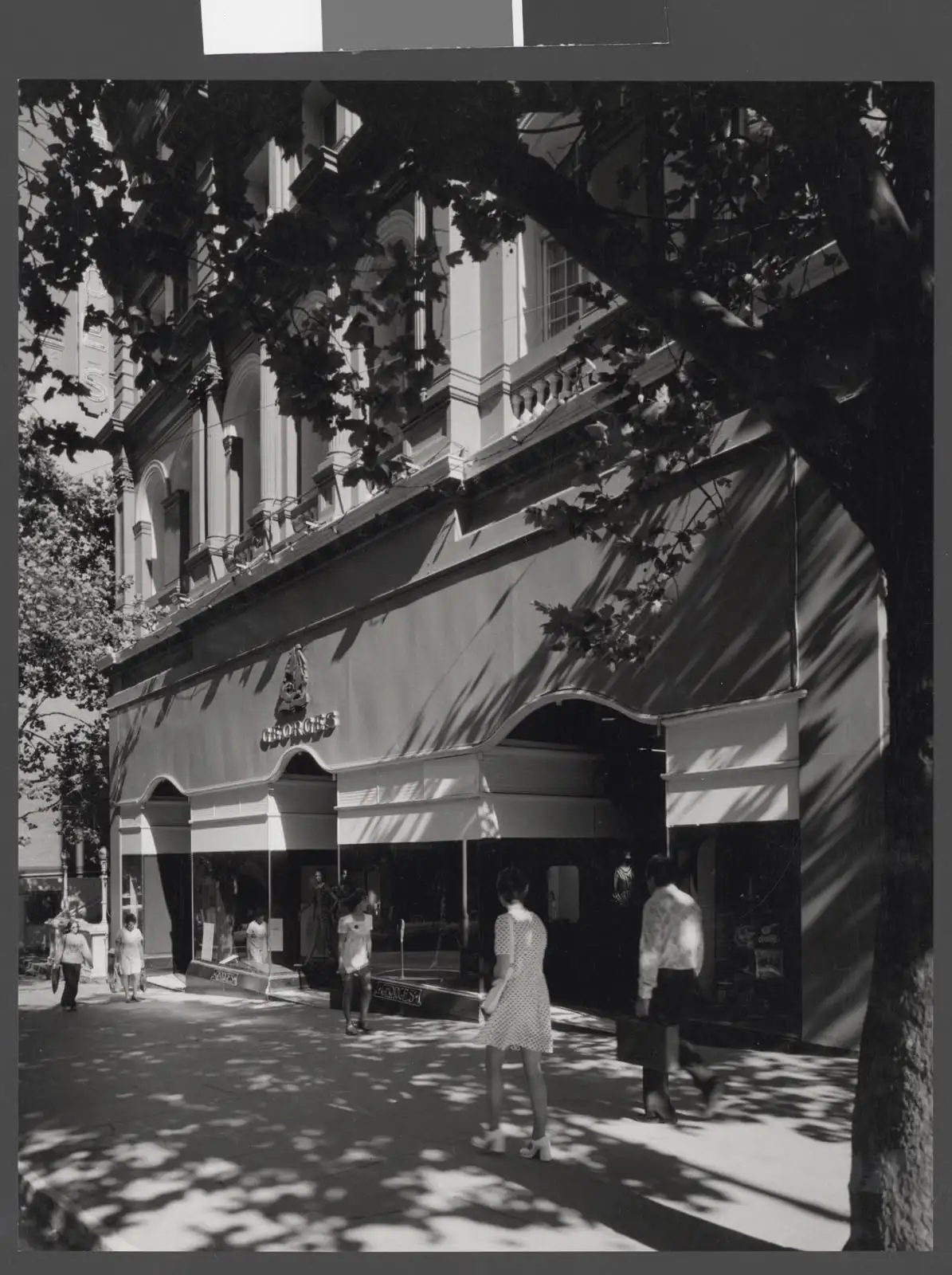
“It was lunchtime at the office when we boarded the tram to see <span class='underline'>The Ned Kelly Paintings 1946–47: Sidney Nolan</span> at George’s Art Gallery.”
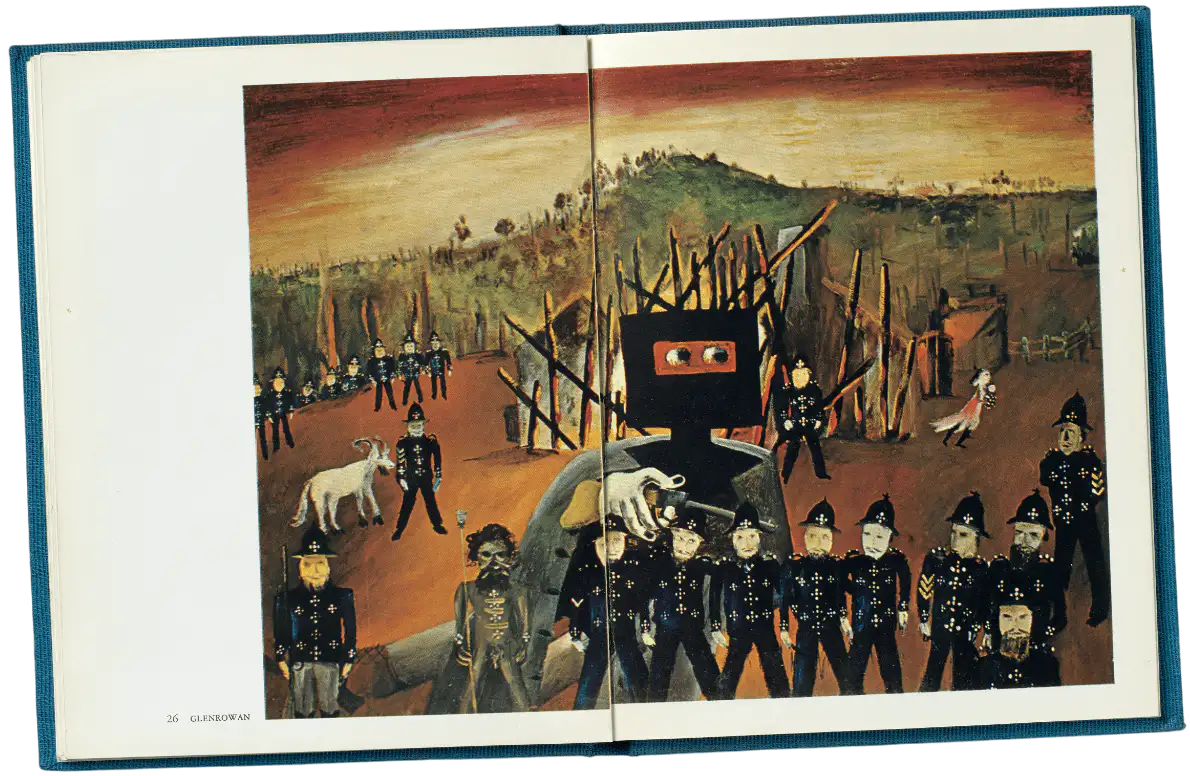
“I had no expectation of anything except the egg and lettuce sandwich waiting for me back at work, no idea that Nolan’s Kelly paintings were about to burn into my brain and leave their mark forever.”
Day 942
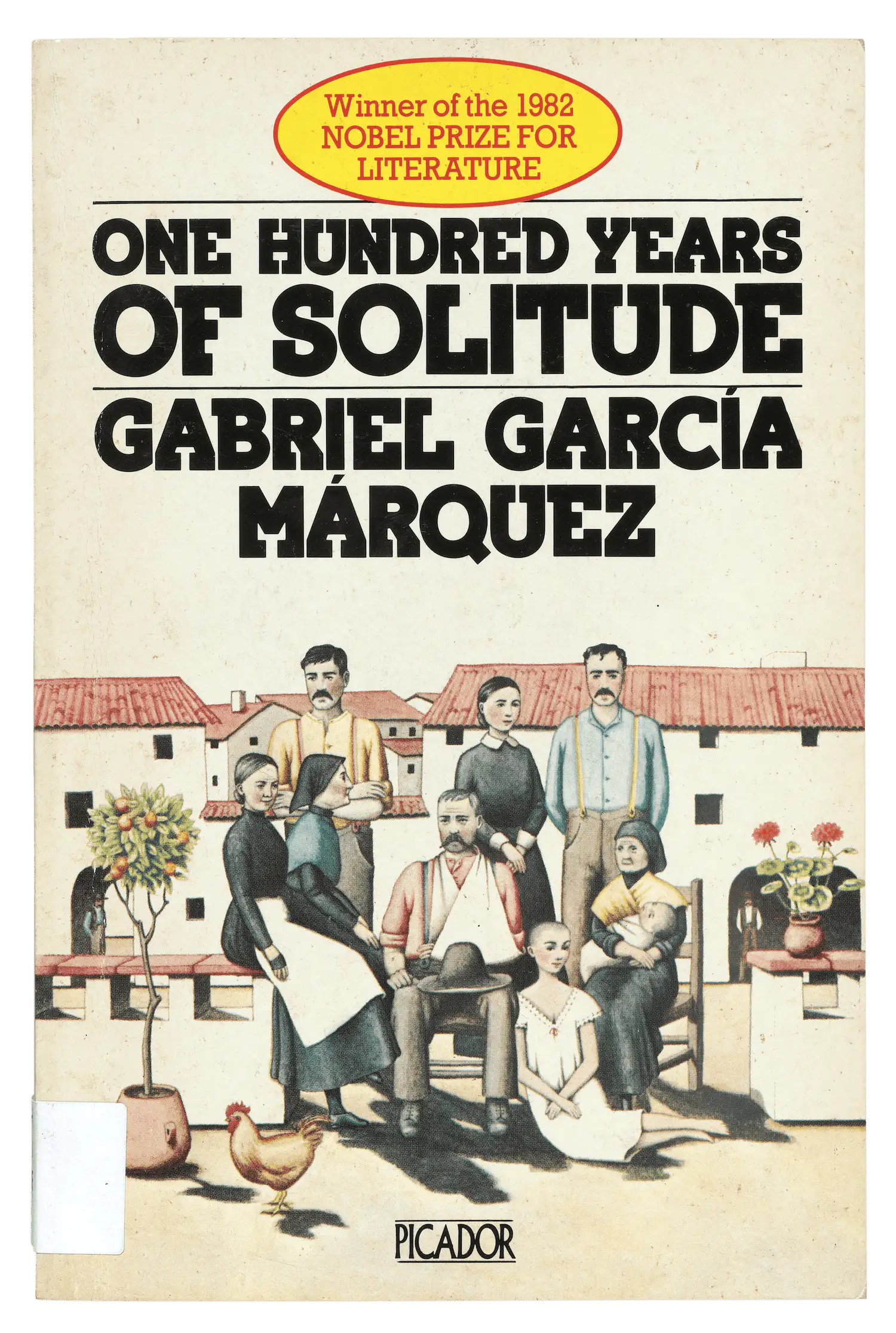
“It was 1963 and (to quote <span class='underline'>One Hundred Years of Solitude</span>) <em>the world was so recent that many things lacked names, and in order to indicate them it was necessary to point.</em><span class='sup'>[1]</span>”
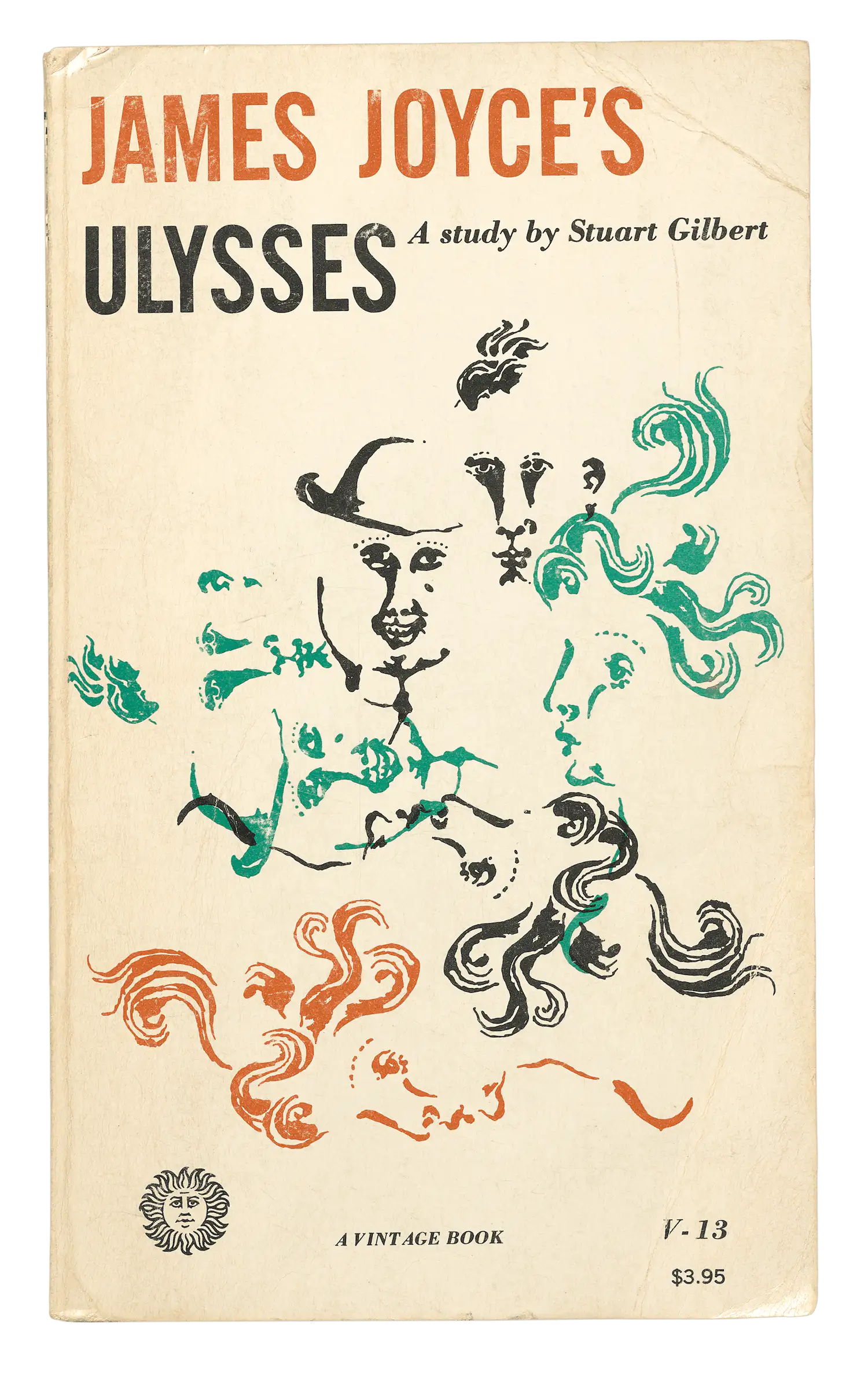
“It was the year I discovered Ornette Colman and Ingmar Bergman, Robbe-Grillet, Bob Dylan, <span class='underline'>The Cantos</span> of Ezra Pound, when I stumbled into James Joyce’s <span class='underline'>Ulysses</span> and – ignorant as I may have been – recognised a holy place, a blasphemous cathedral which had been banned, unbanned, banned again.”
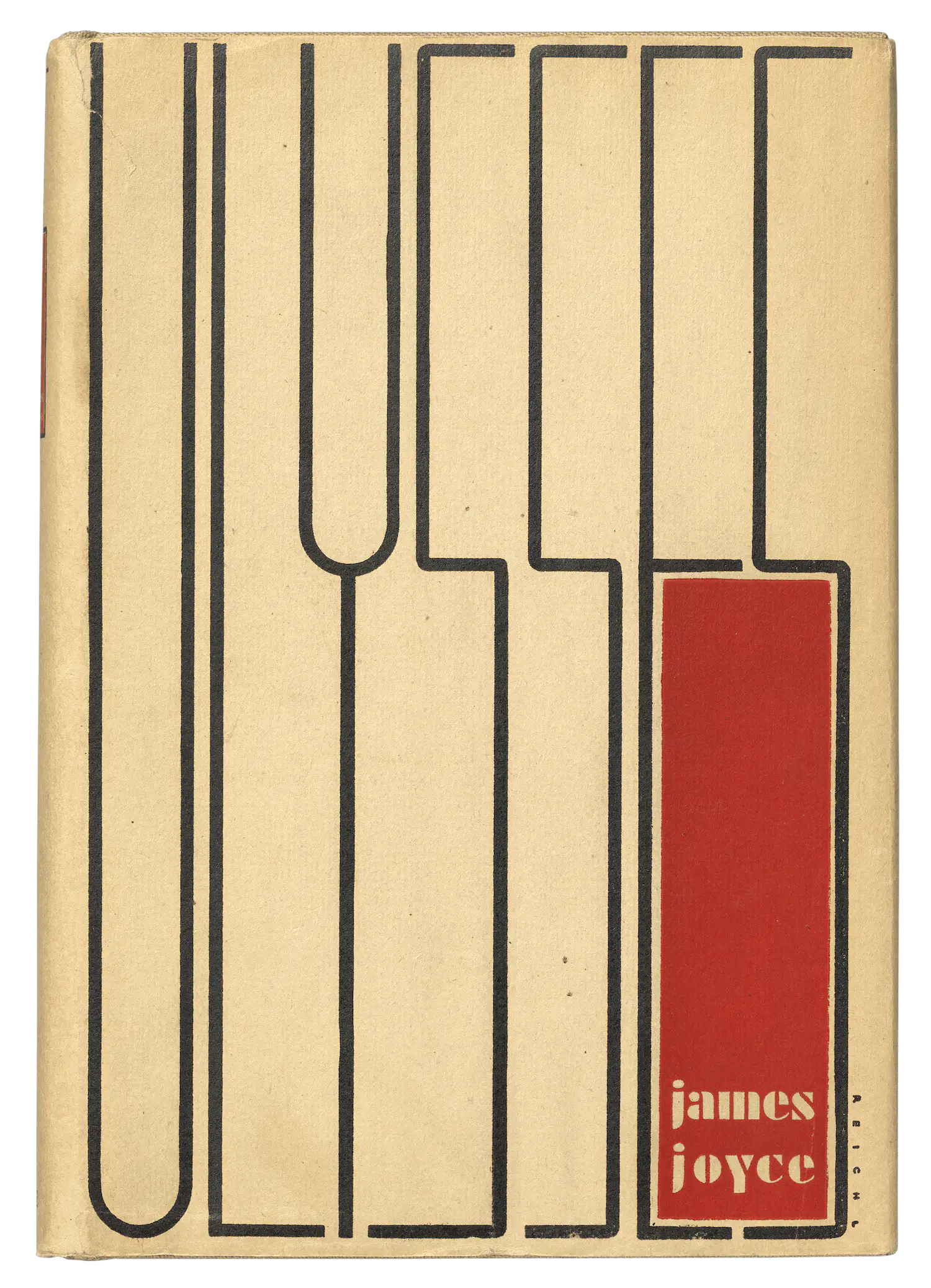
“These ecstatic moments are denied the old and wise, reserved for the very young who turn the pages of <span class='underline'>Ulysses</span> and can hardly believe that such a string of words exists <em>I cant help it if Im young still can I its a wonder Im not an old shrivelled hag before my time living with him so cold never embracing me except sometimes when hes asleep the wrong end of me not knowing I suppose who he has any man thatd kiss a womans bottom.</em> Are you allowed to say that?”
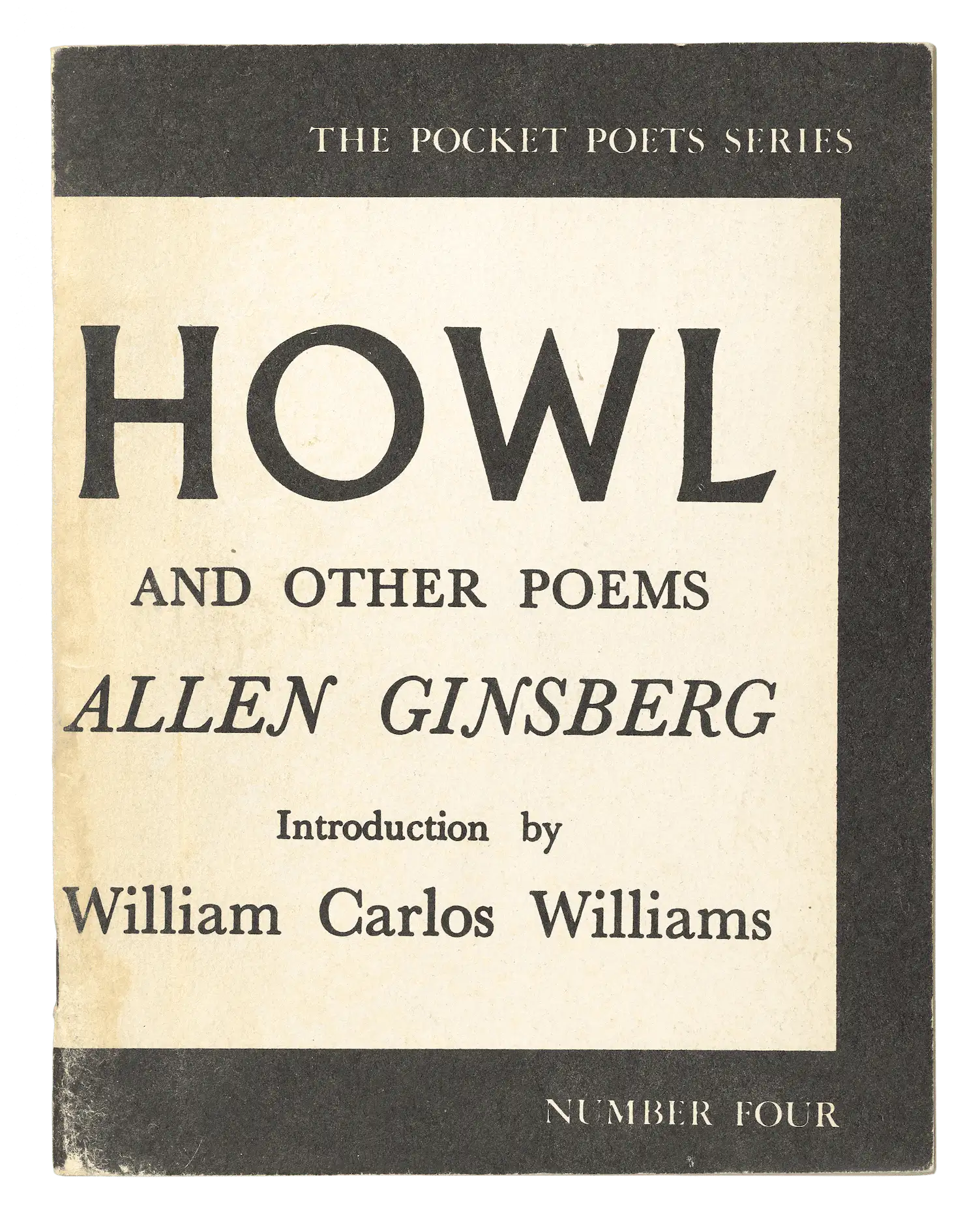
“It was the year I read Allen Ginsberg’s <span class='underline'>Howl</span> and <em>saw the best minds of my generation destroyed by madness, starving hysterical naked.</em>”
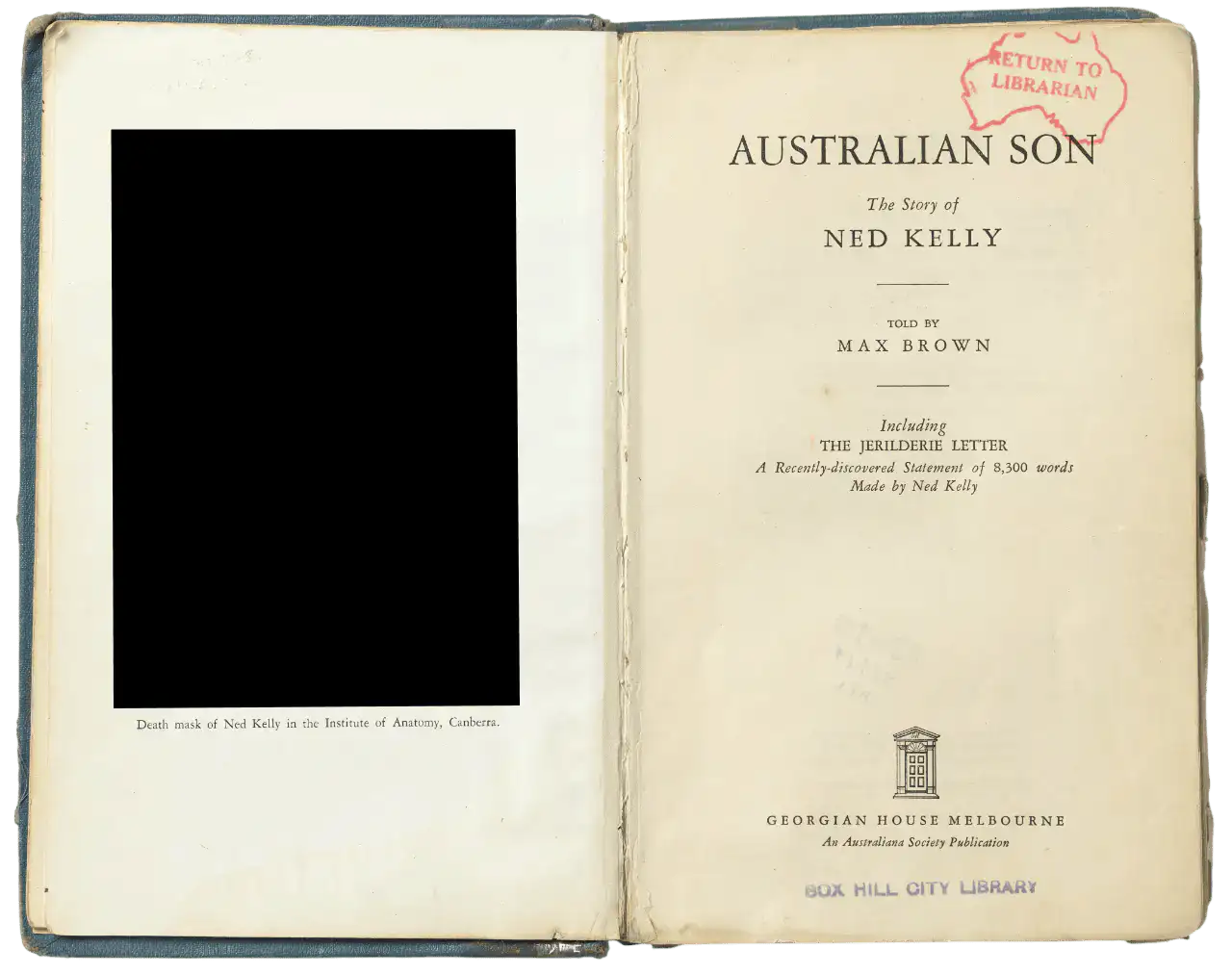
“I sought out Max Brown’s <span class='underline'>Australian Son: The Story of Ned Kelly</span> and it was here I found that Ned Kelly had also been a writer <em>who poverty and tatters and hollow-eyed</em> <span class='sup'>[2]</span> was tortured by the cruelties of the British law.”
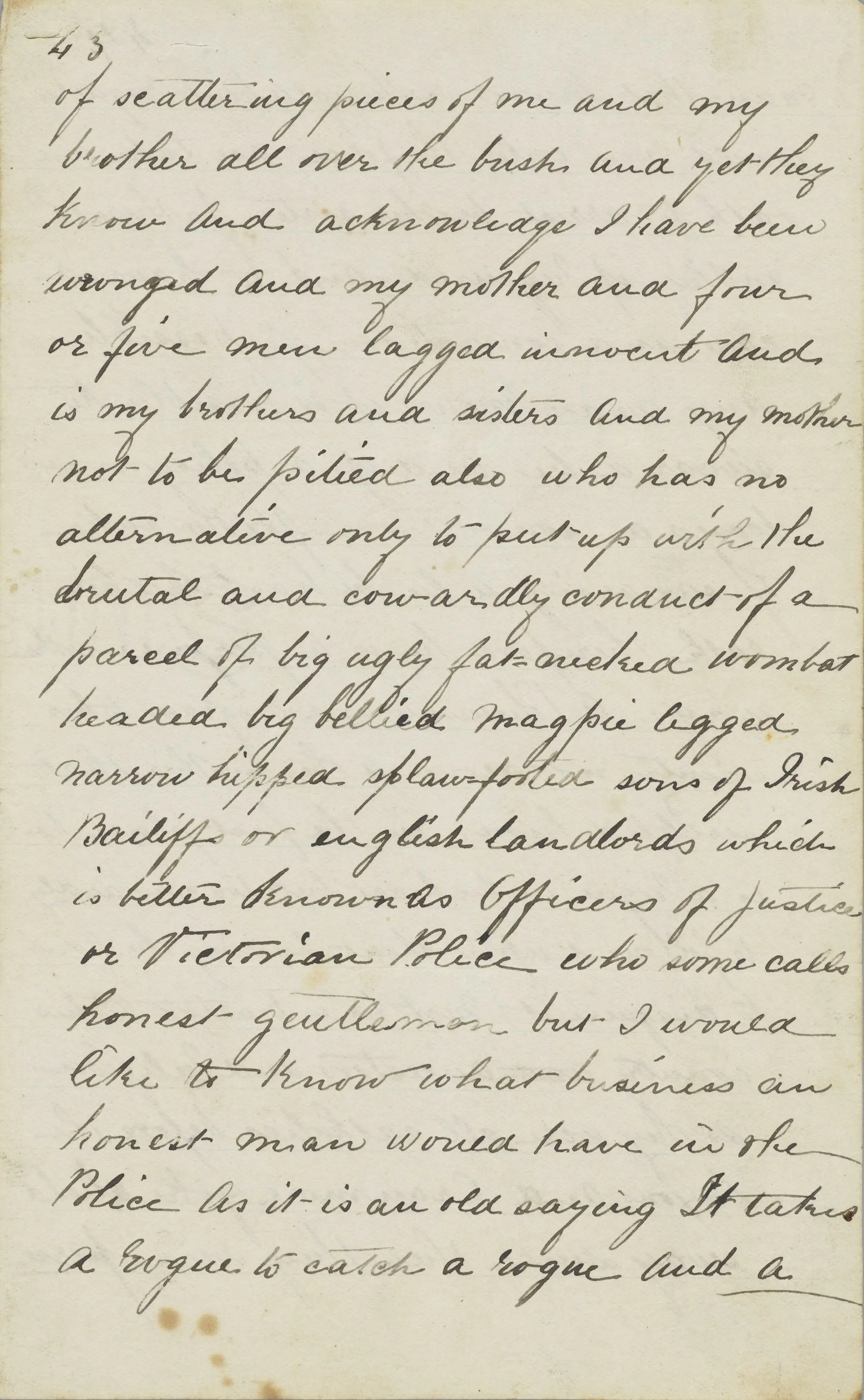
“56 pages. In every one he was on fire, enraged, breathless, a widow’s son outlawed. Dear God, I thought, has no one ever really <span class='underline'>understood</span> what Ned wrote before he robbed the bank at Jerilderie.”
my mother and four or five men lagged innocent, and is my brothers and sisters and my mother not to be pitied also who has no alternative only to put up with the brutal and cowardly conduct of a parcel of big ugly, fat necked, wombat headed, big bellied, magpie legged, narrow hipped splay-footed sons of Irish bailiffs or English landlords which is better known as officers of justice or Victorian police who some calls honest gentlemen.
Ned Kelly, The Jerilderie Letter
“I transcribed the letter and carried it on my person like the relic of a martyred saint. I knew (if no-one else did) that I would be a writer and I would know how to do something with this letter when the time arrived.”
Day 842
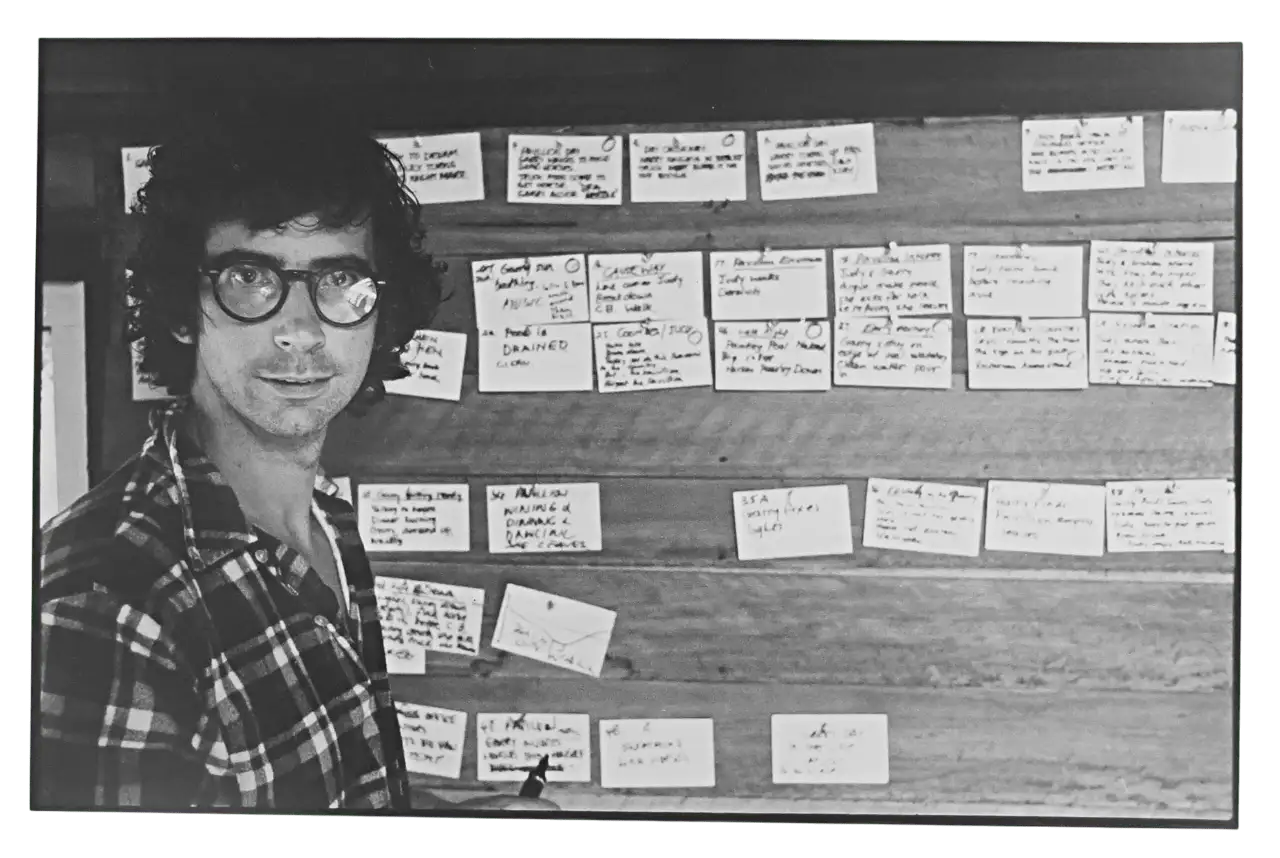
“In 1964 I wrote my first unpublishable novel. In 1966 I tried again. So it went. Attempts. Failures. <em>Sweet dreams and flying machines in pieces on the ground.</em><span class='sup'>[3]</span><br class='hidden lg:block'/> By 1974, when I finally became airborne, I had lost the Jerilderie Letter.”
Day 689
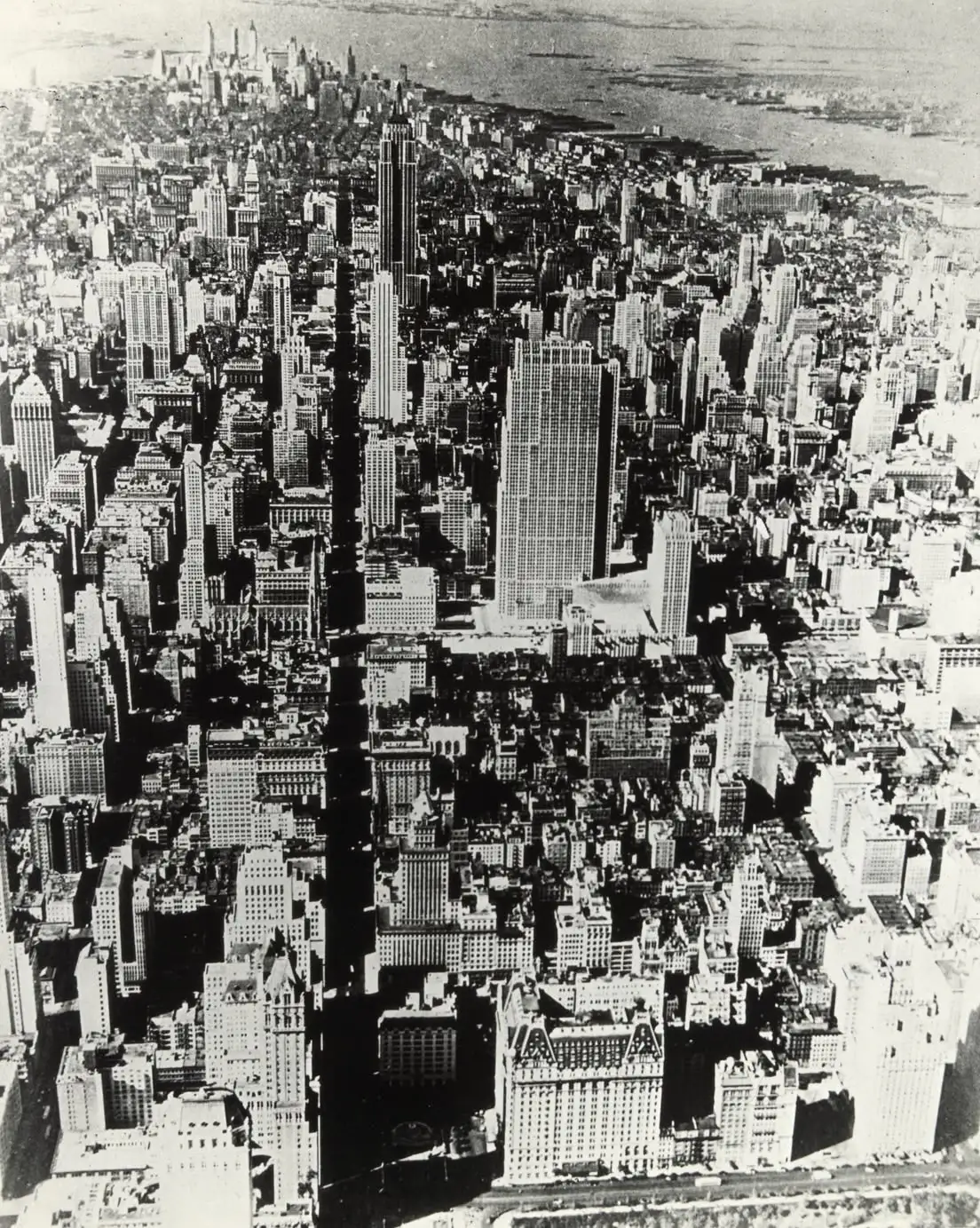
“Years passed. Three lives later I was living in New York City.”

“Years passed. Three lives later I was living in New York City.”
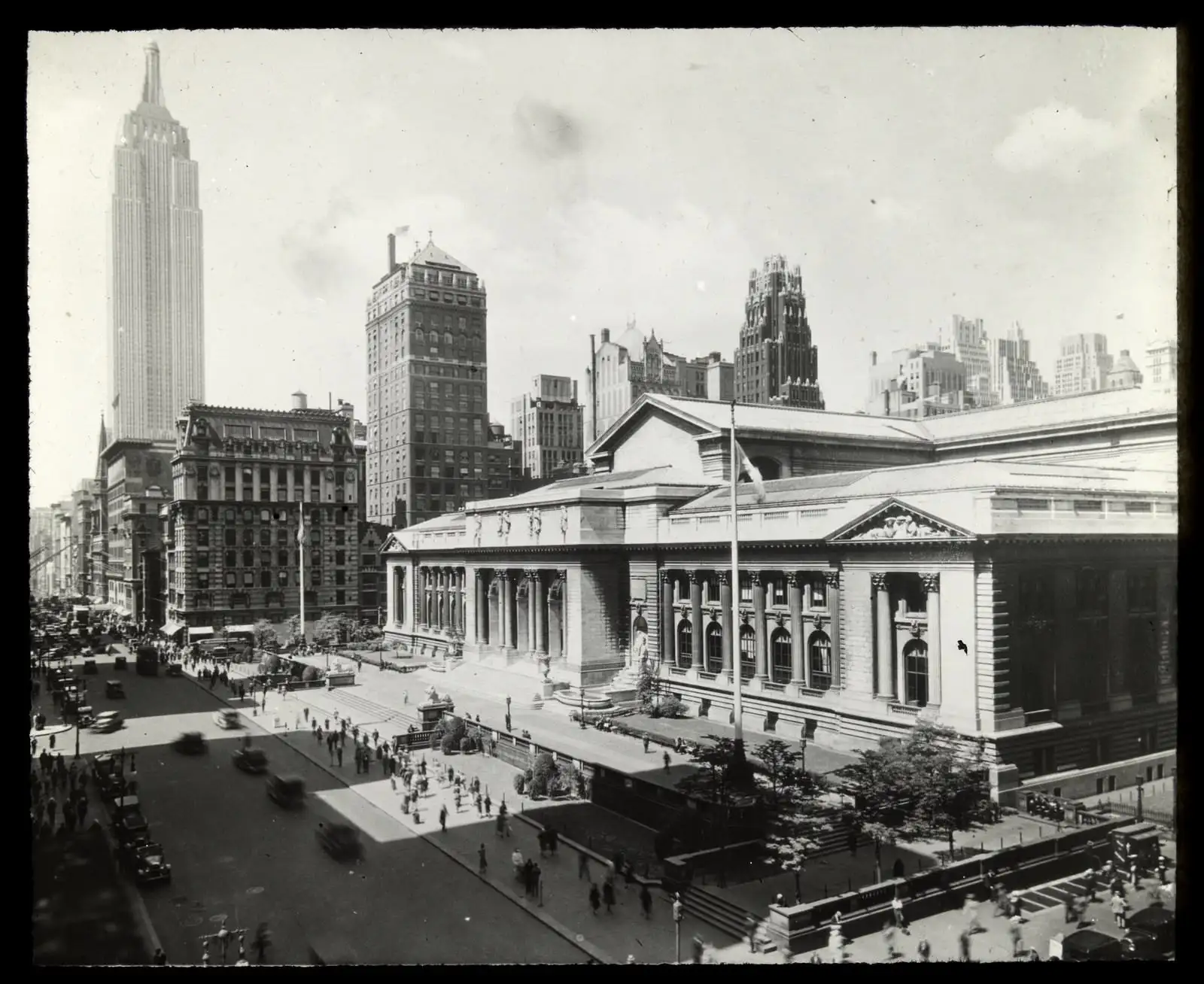
“It was 1993 and the Metropolitan Museum of Art was exhibiting the same Kelly paintings I had seen thirty years before. If I did not rush to see them it was because I was certain they could never dazzle the man as they had the callow boy.”
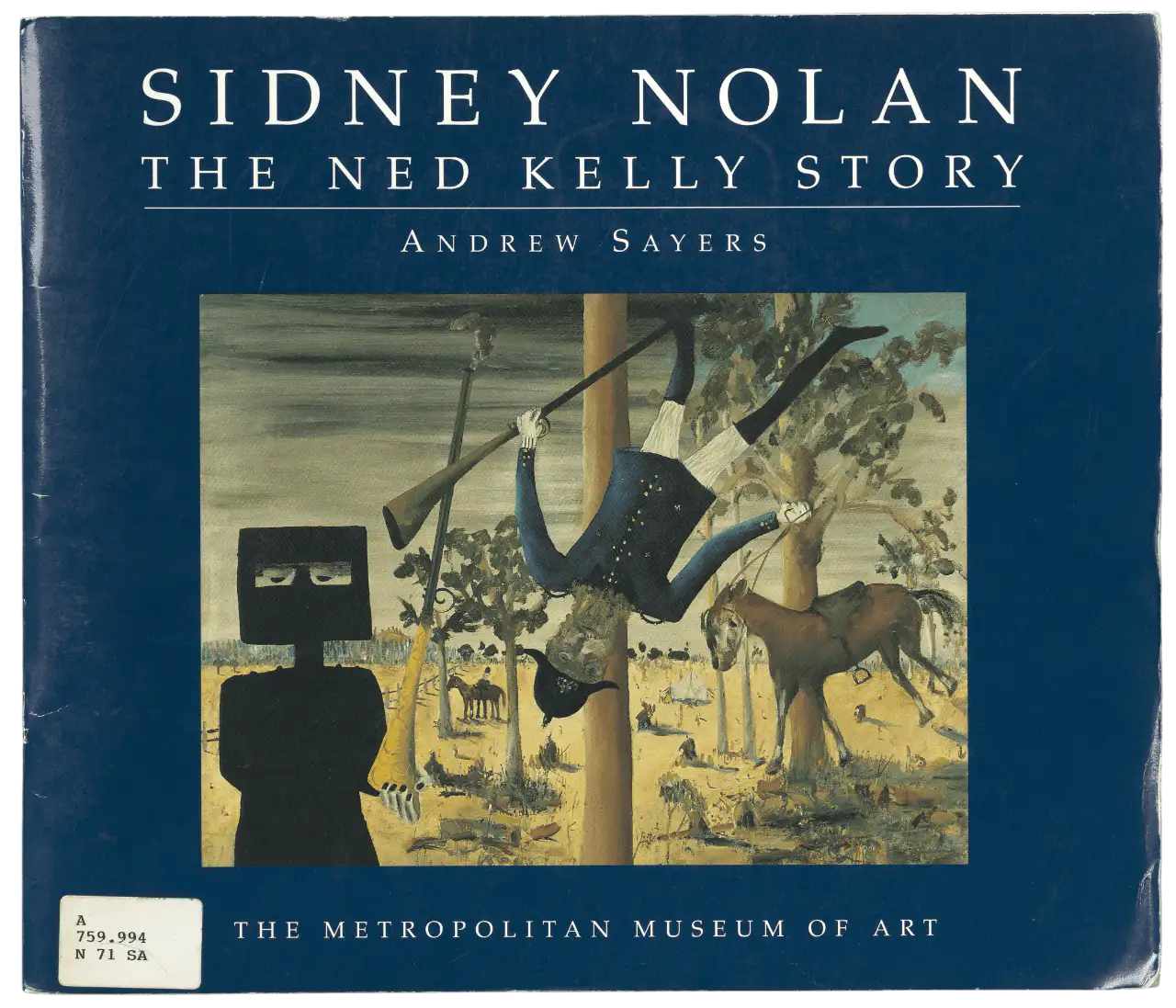
“But my friend the Vassar professor was acting as a docent for the exhibition and it was he who finally persuaded me to visit and then – dear Jesus – what wonders.”
Zoom
“I was amazed and proud, of us, of Ned, of Nolan, and I began taking my downtown friends uptown see the show. And as I circled the rooms telling the strange story to my victims, it struck me: I was going to write this bloody novel after all.”
Day 651
David SYME and Co.
(1879–1891, printer and publisher, Melbourne)
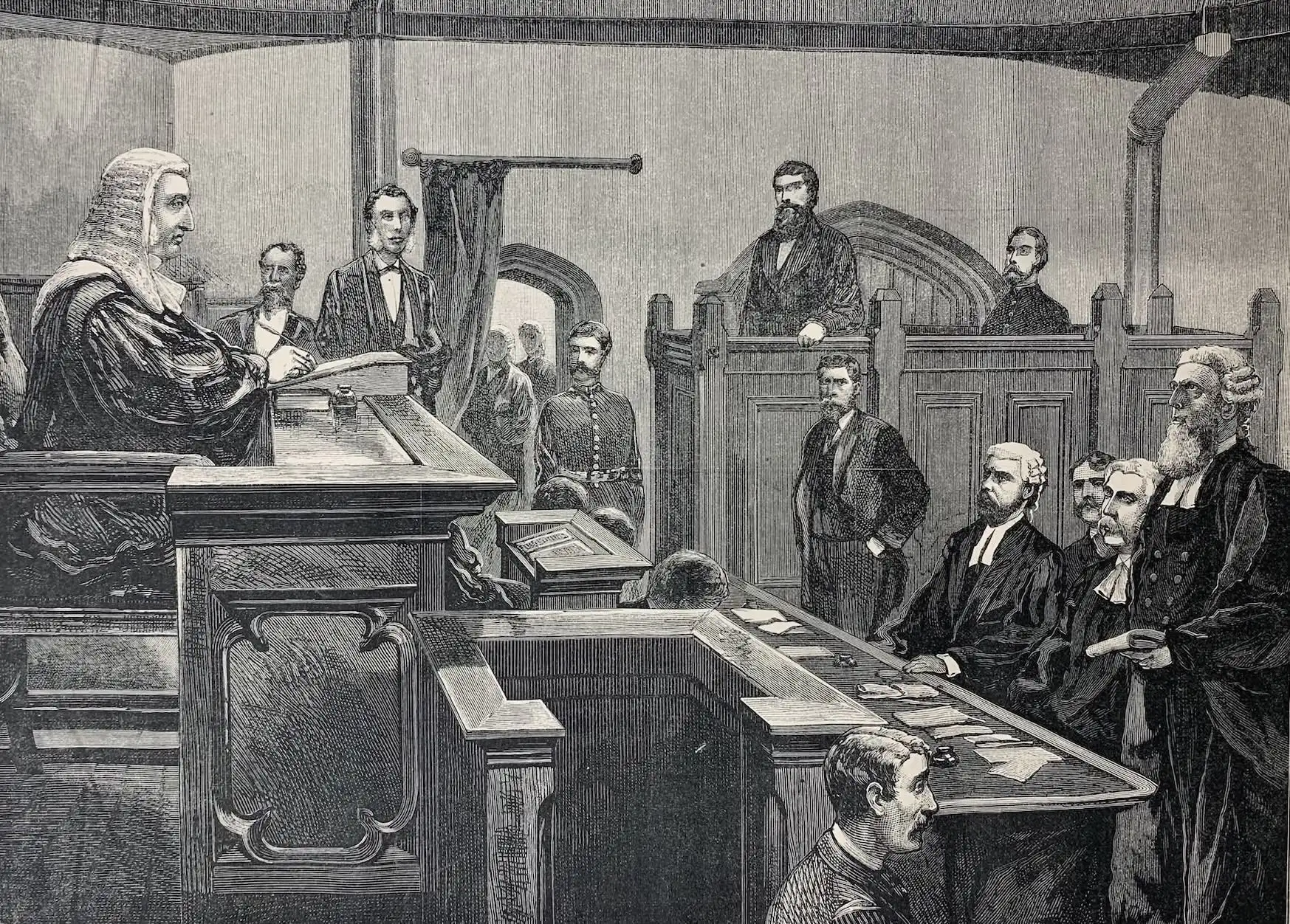
The Kelly trial, the scene in court
wood engraving, 1880
IAN06/11/80/201
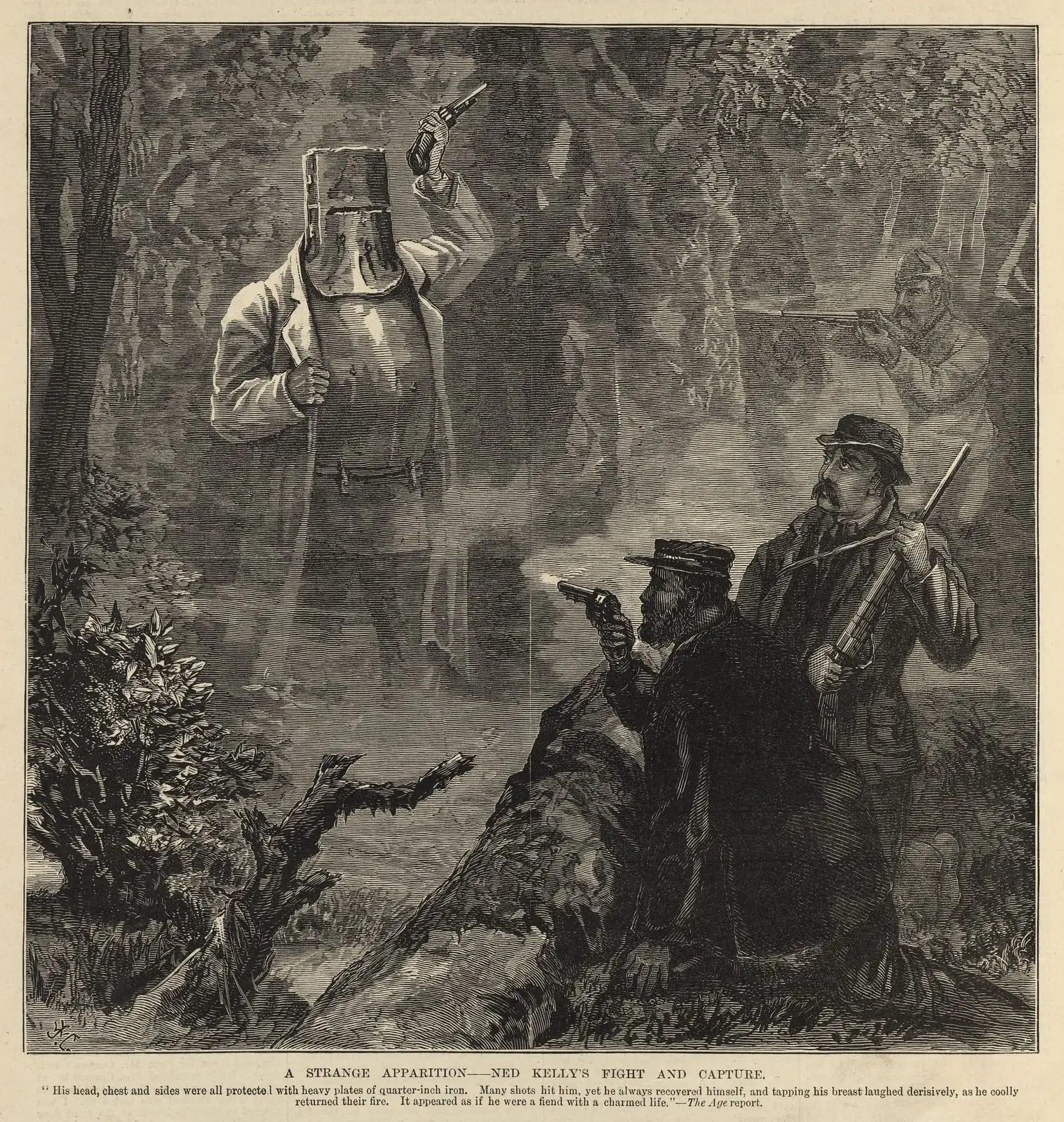
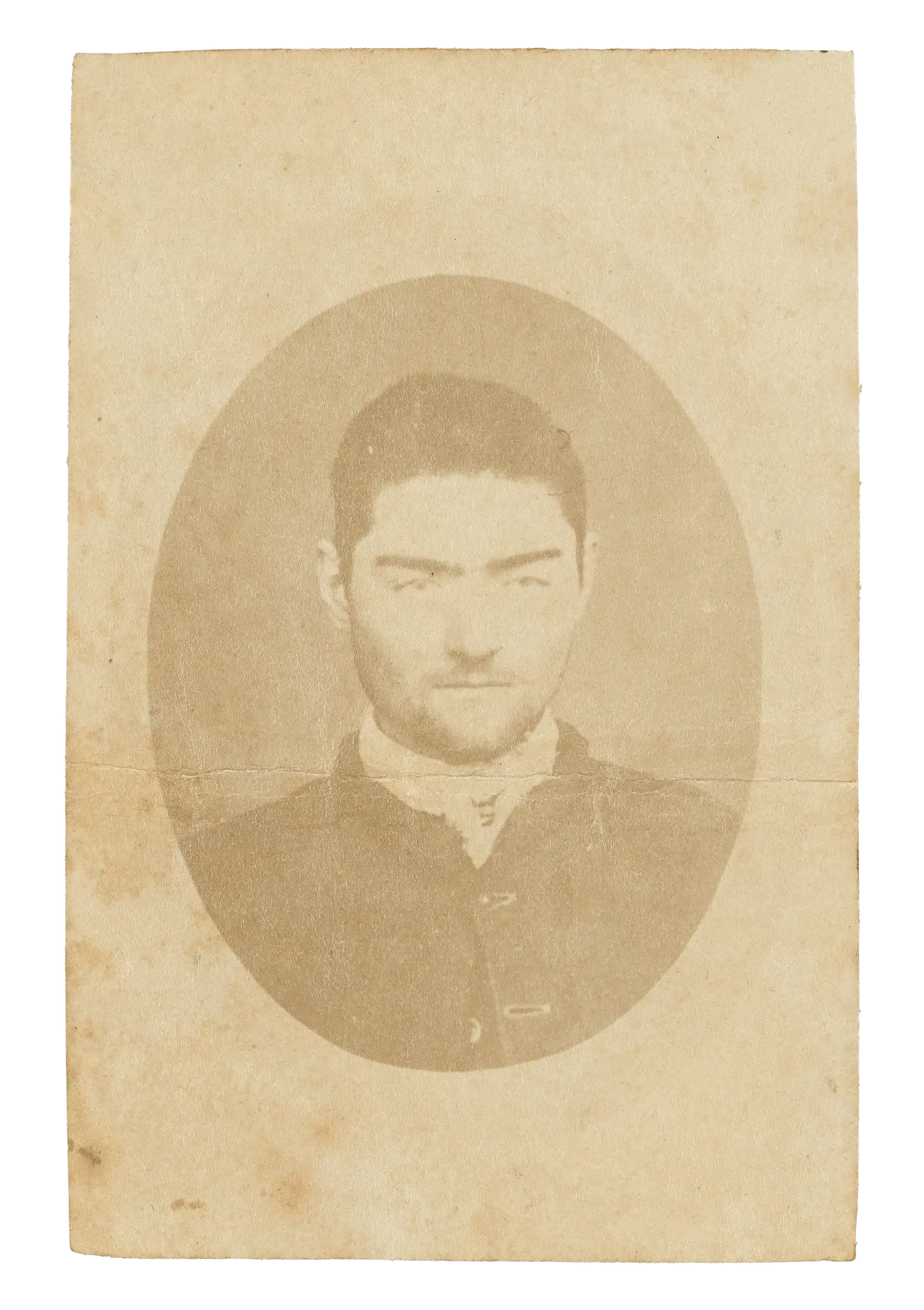
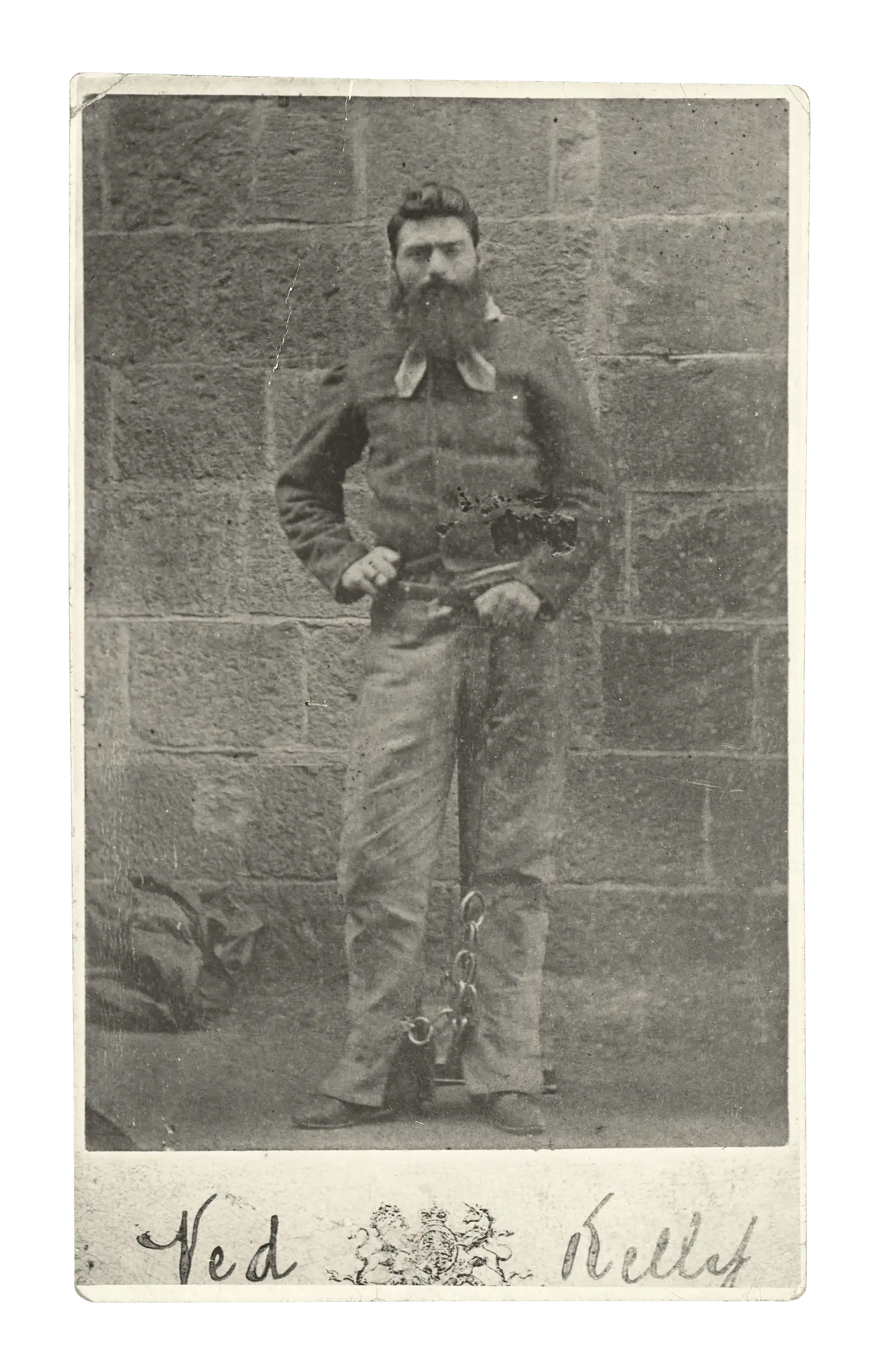
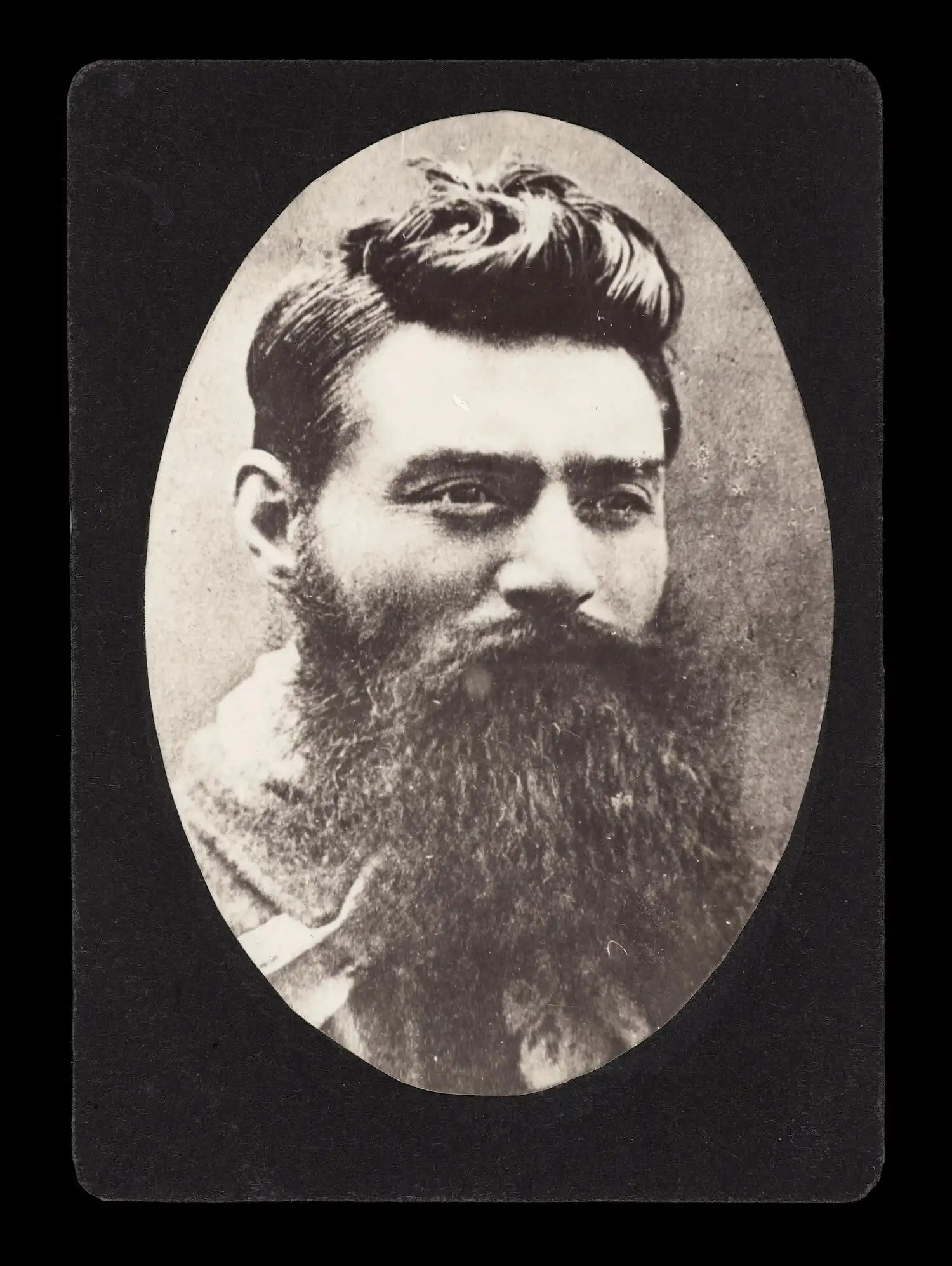
“‘Why write about Ned Kelly,’ said my old Sydney friend. ‘We know all about him.’”
Day 591
REGAL POSTCARD Co.
(c.1900s, publisher)
The Kelly gang – from an
original photograph
Postcard, photomechanical print, c.1906
Purchased, 2007
H2007.84
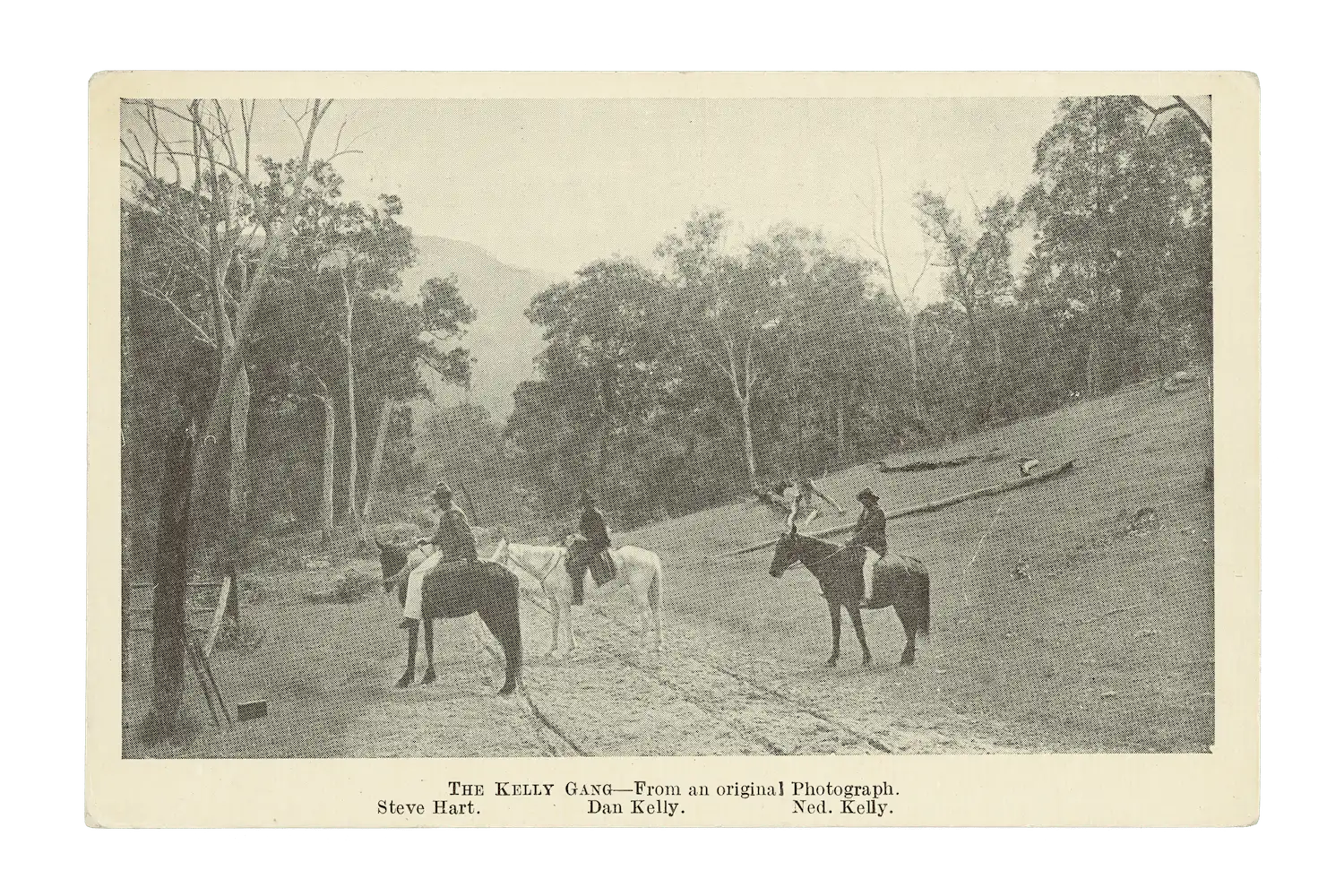
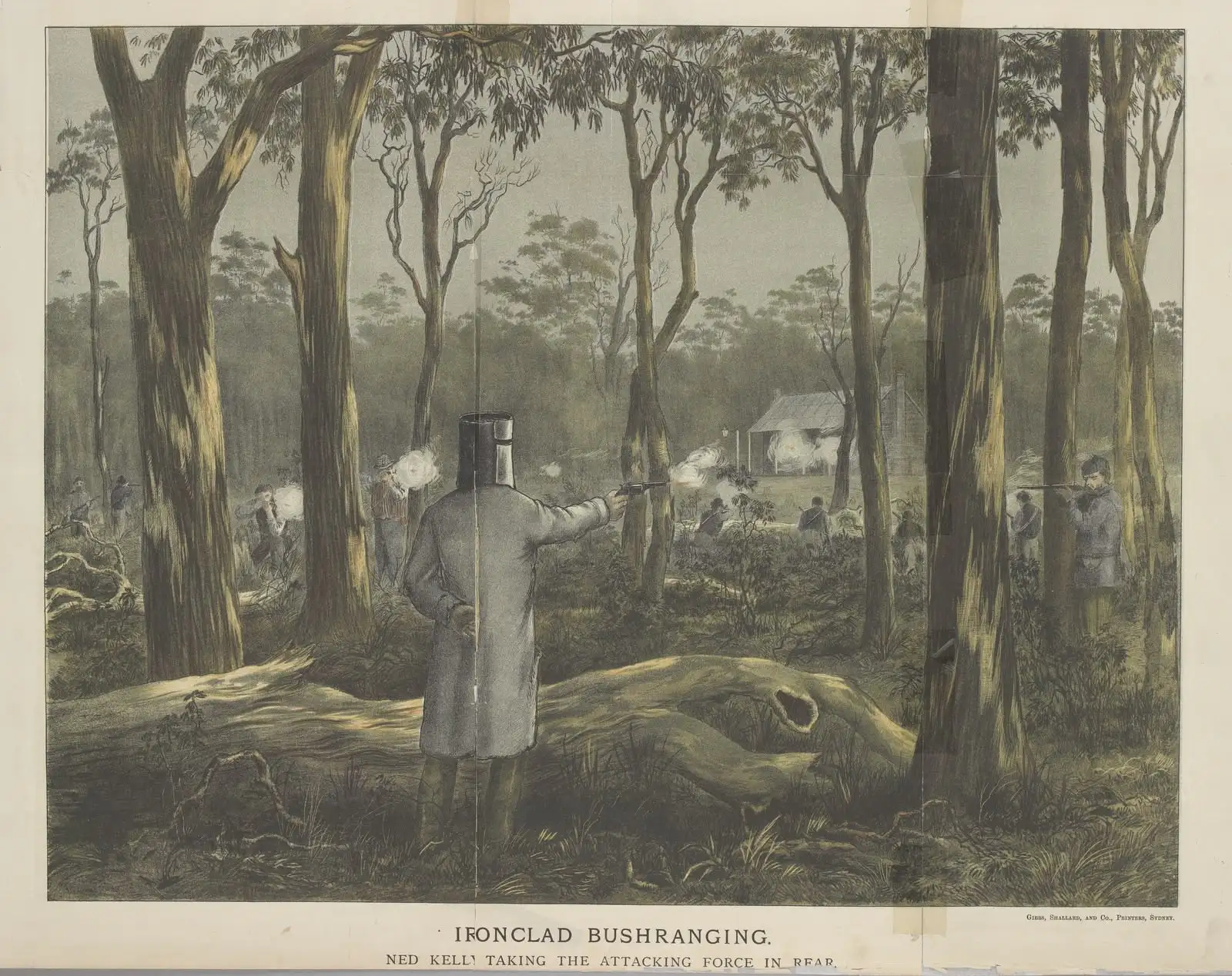
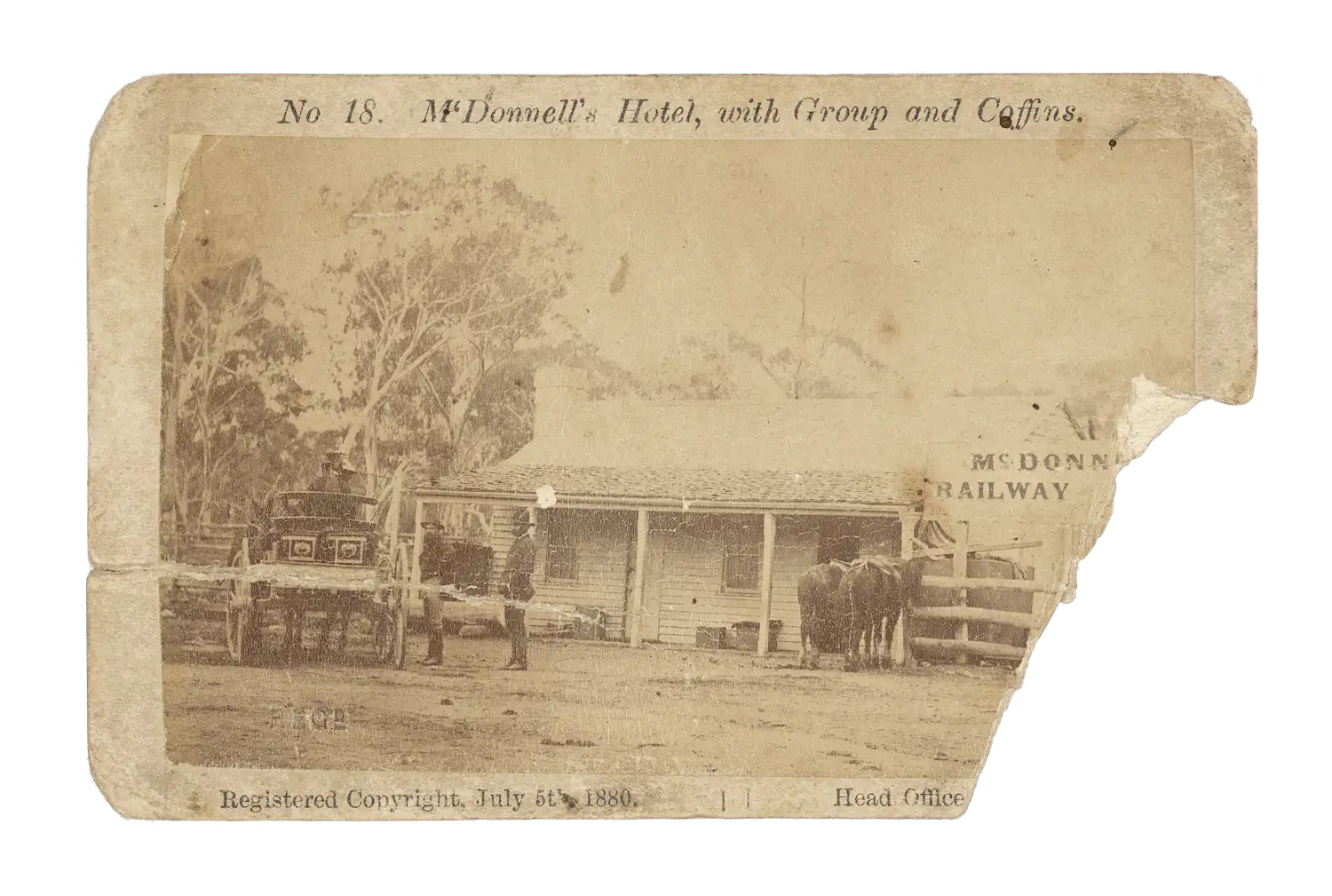
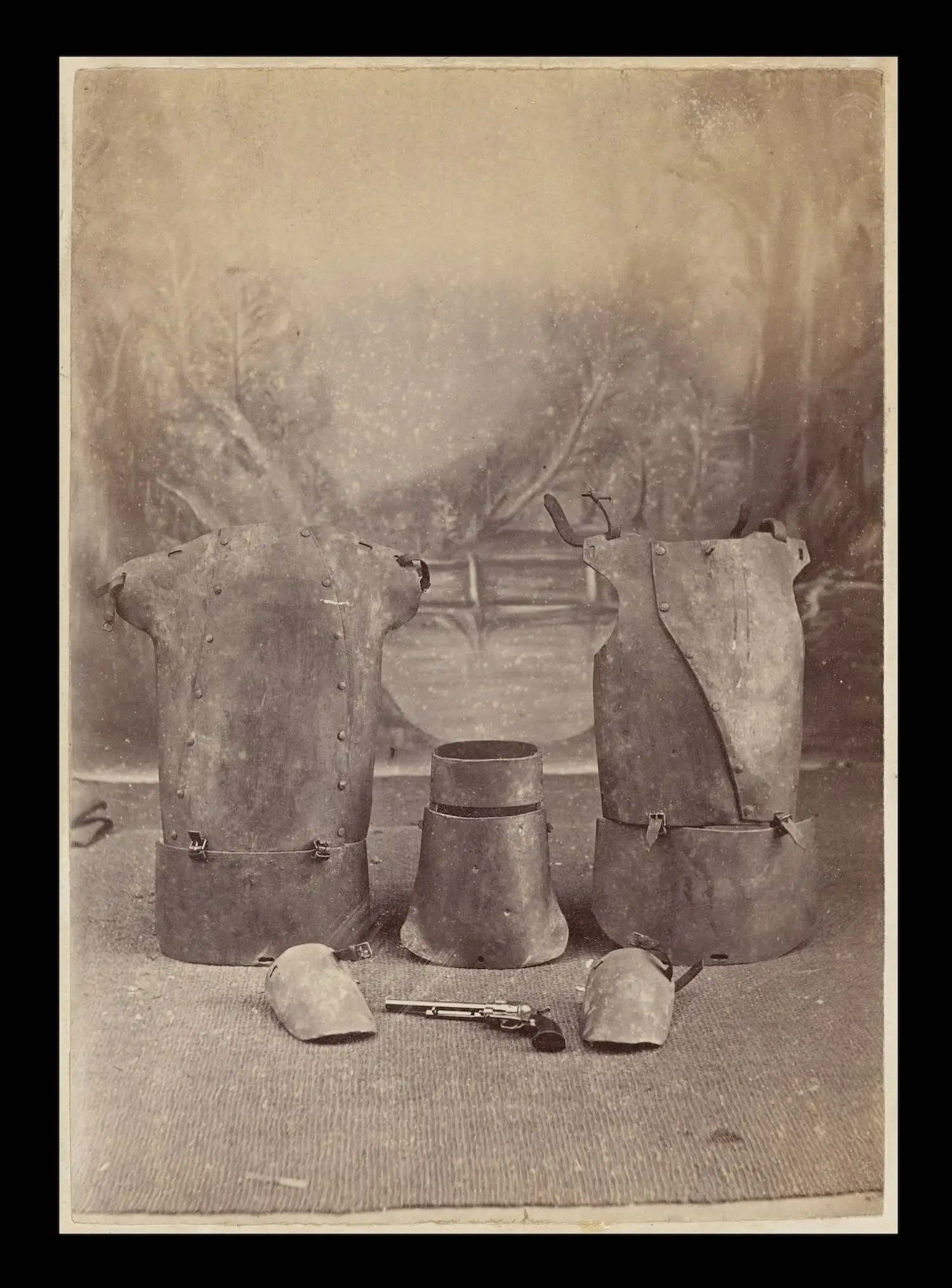
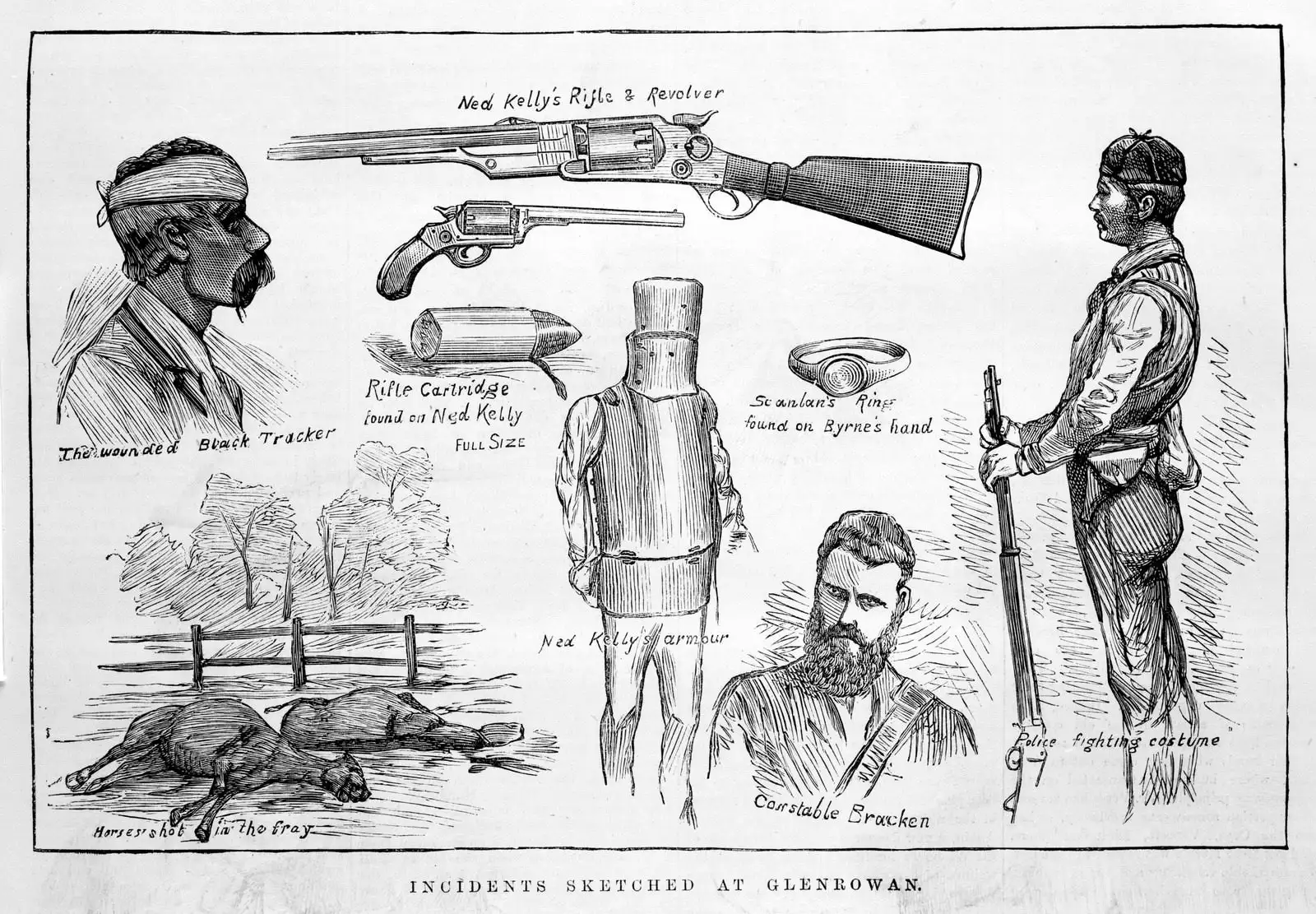
“And yes, we knew the police reports, and the court transcripts. We knew the Land Acts and the day Ned fought Wild Wright. We knew Jerilderie, Euroa, Stringybark Creek, and Constable Fitzpatrick. We knew the history all the way to the execution in Melbourne Gaol.”
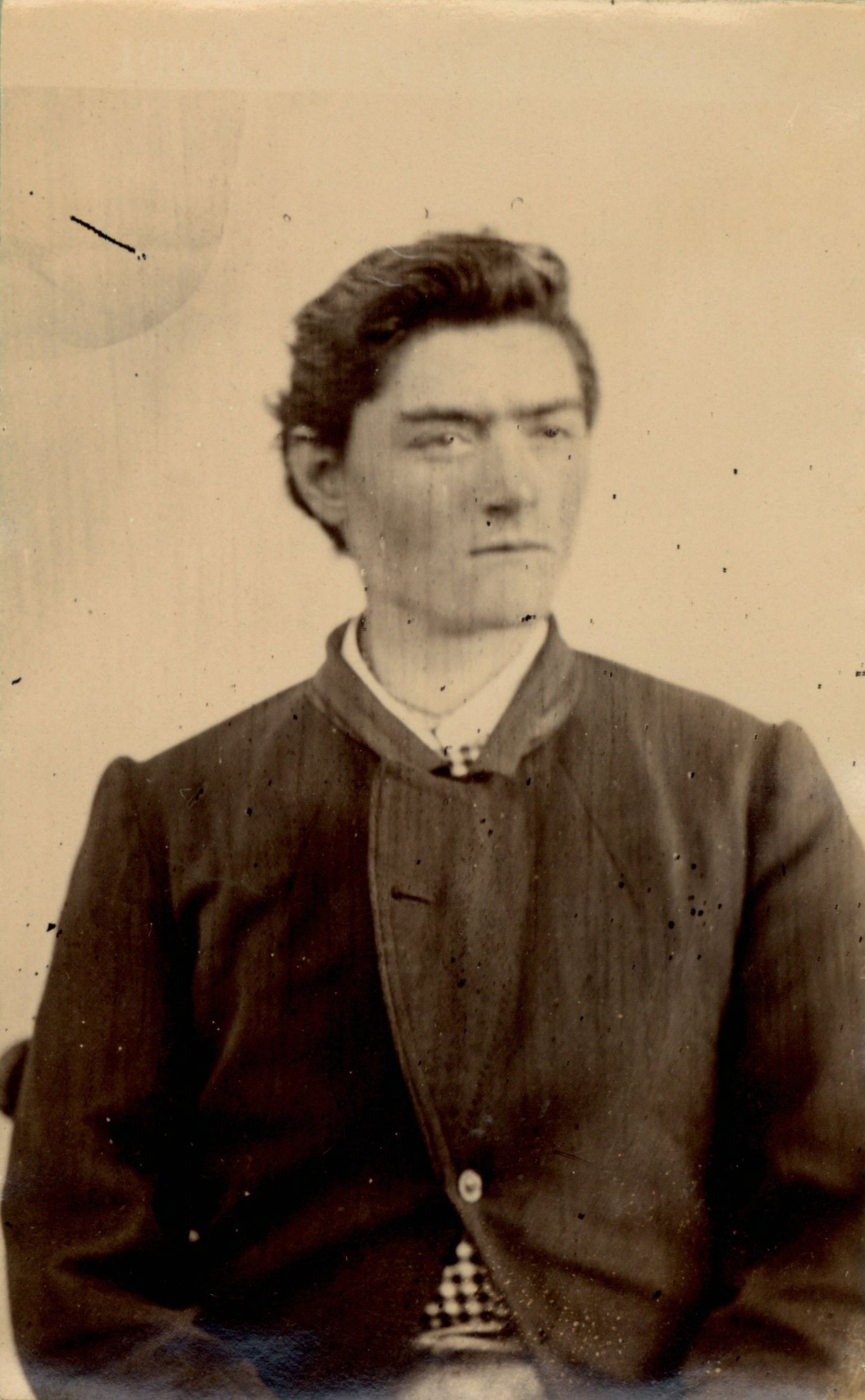
“But you cannot know a boy’s soul from a police report. And Ned Kelly was a boy for most of his short life and we – having the image of the bearded outlaw in our mind – hadn’t spared a thought for that smooth-cheeked boy who loved his mother, lost his father to police, was apprenticed to a bushranger named Harry Power.”
Day 495
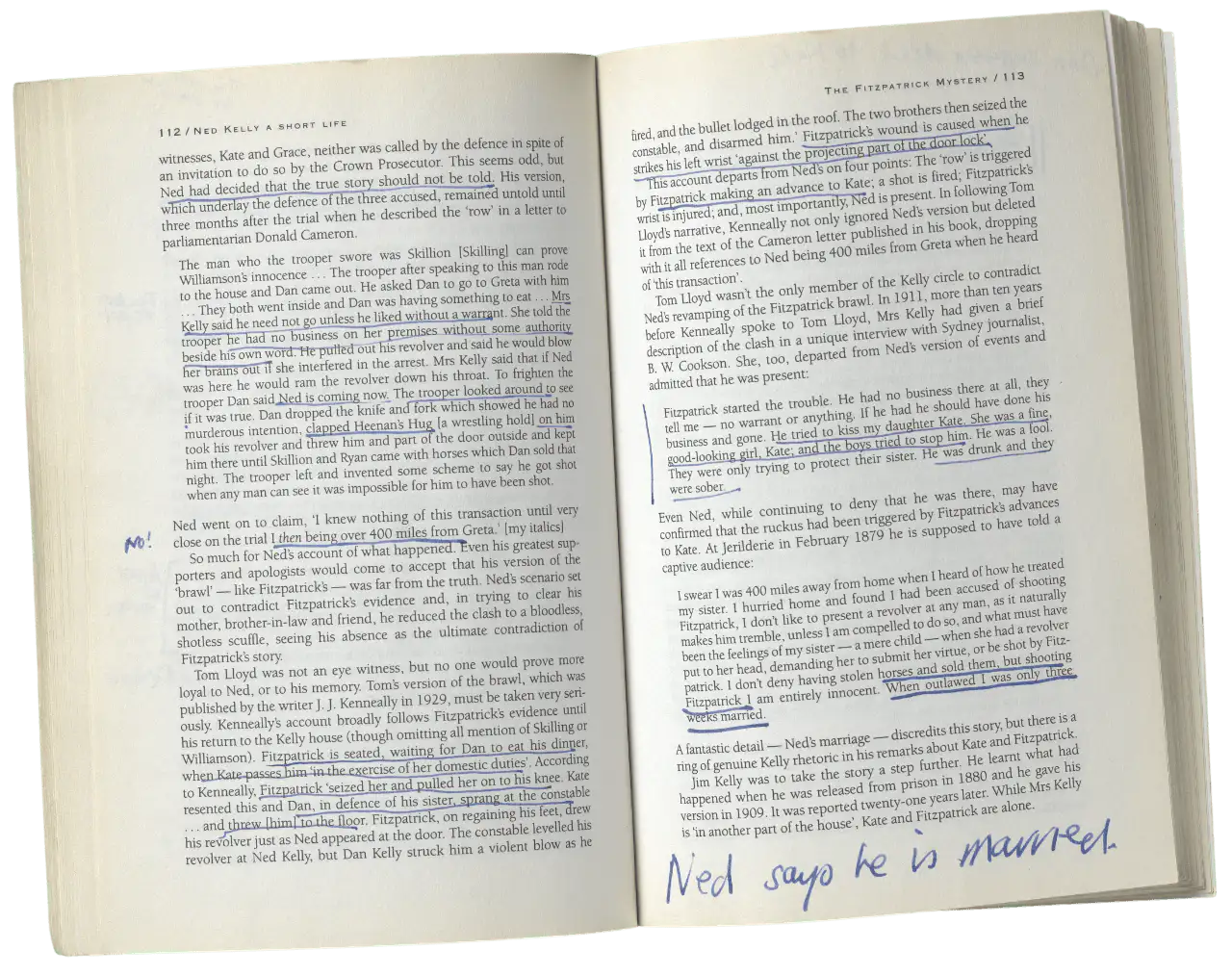
“I raided Ian Jones’ <span class='underline'>Ned Kelly</span> to find my story’s spine”
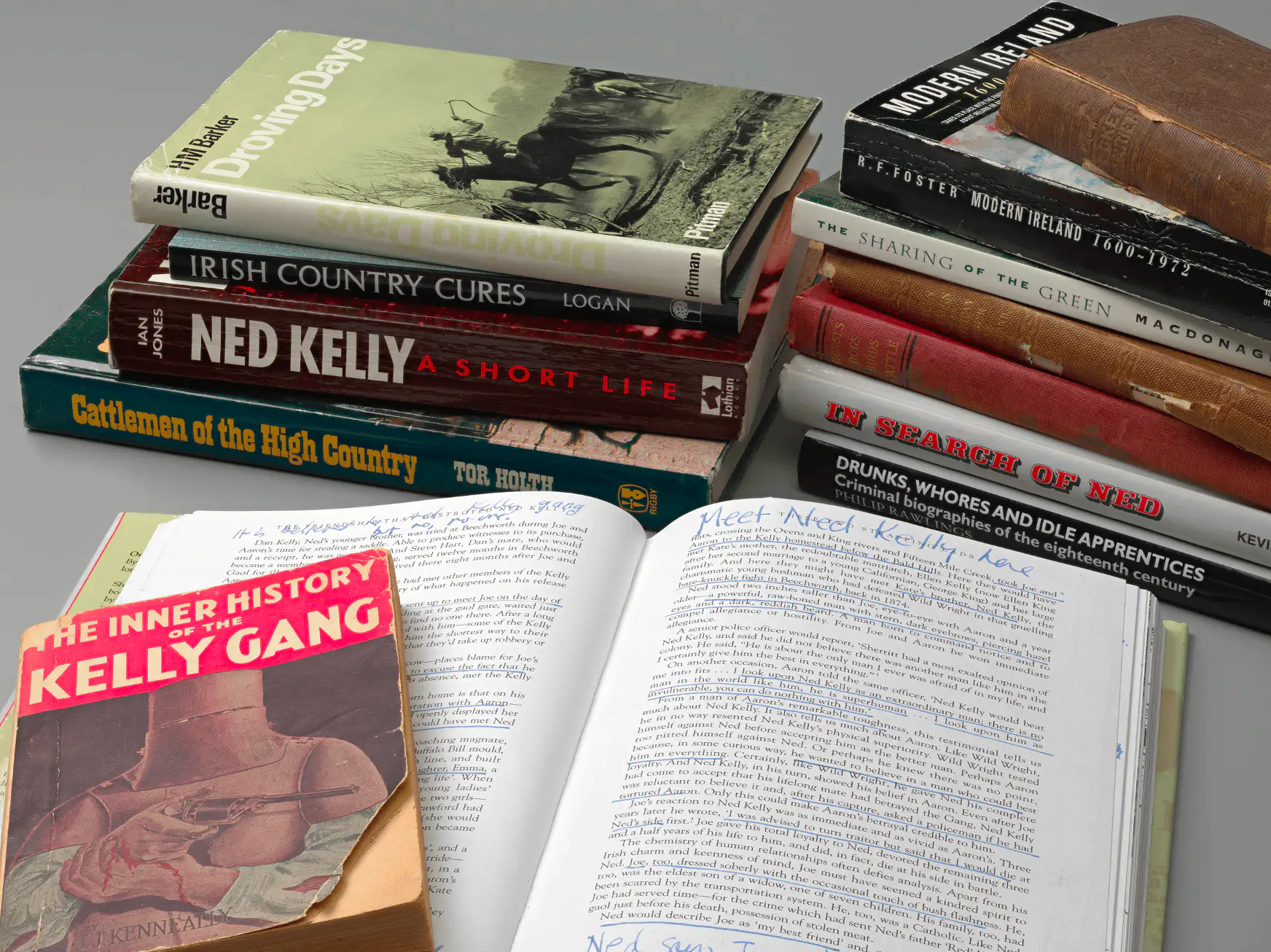
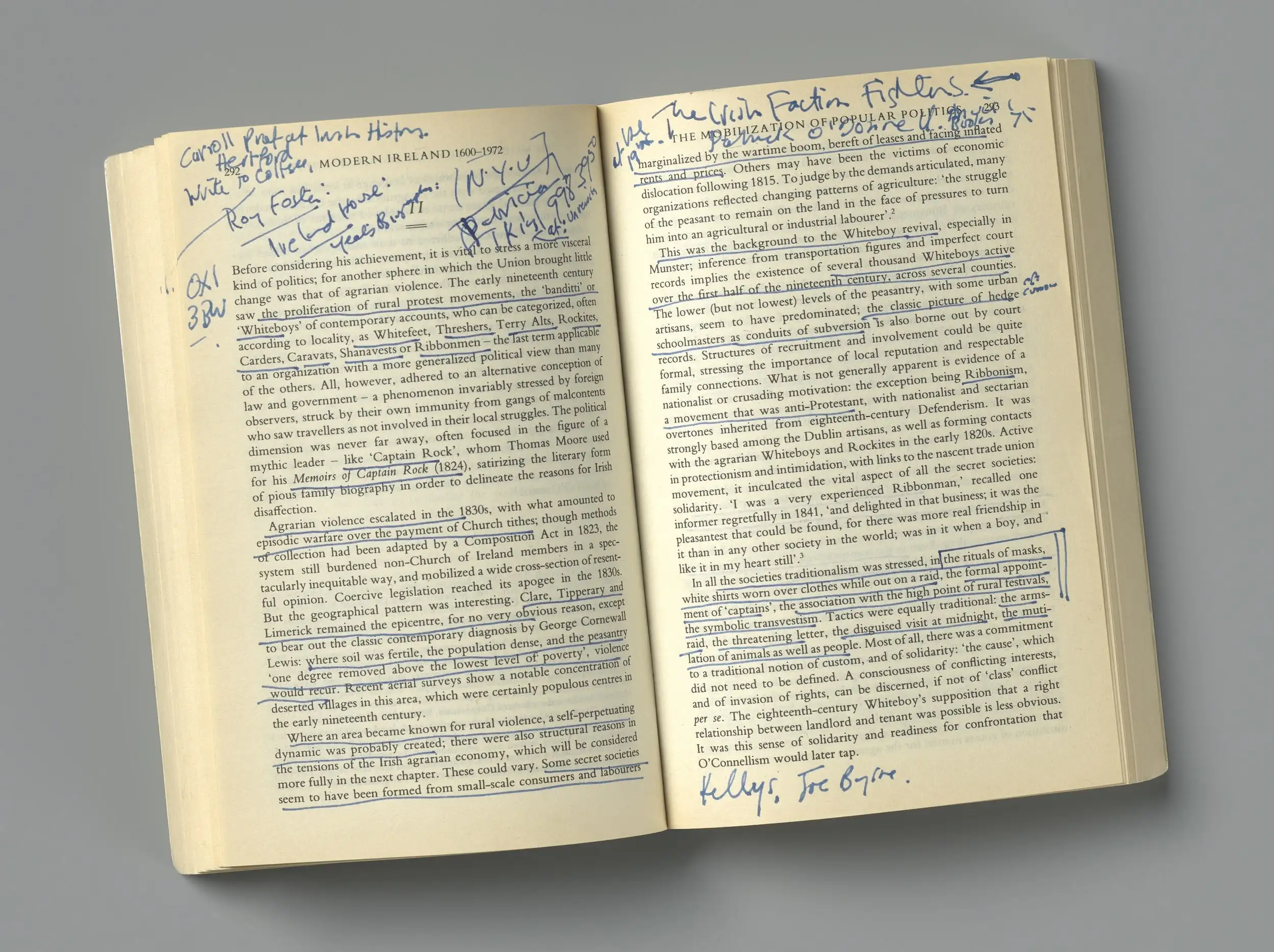
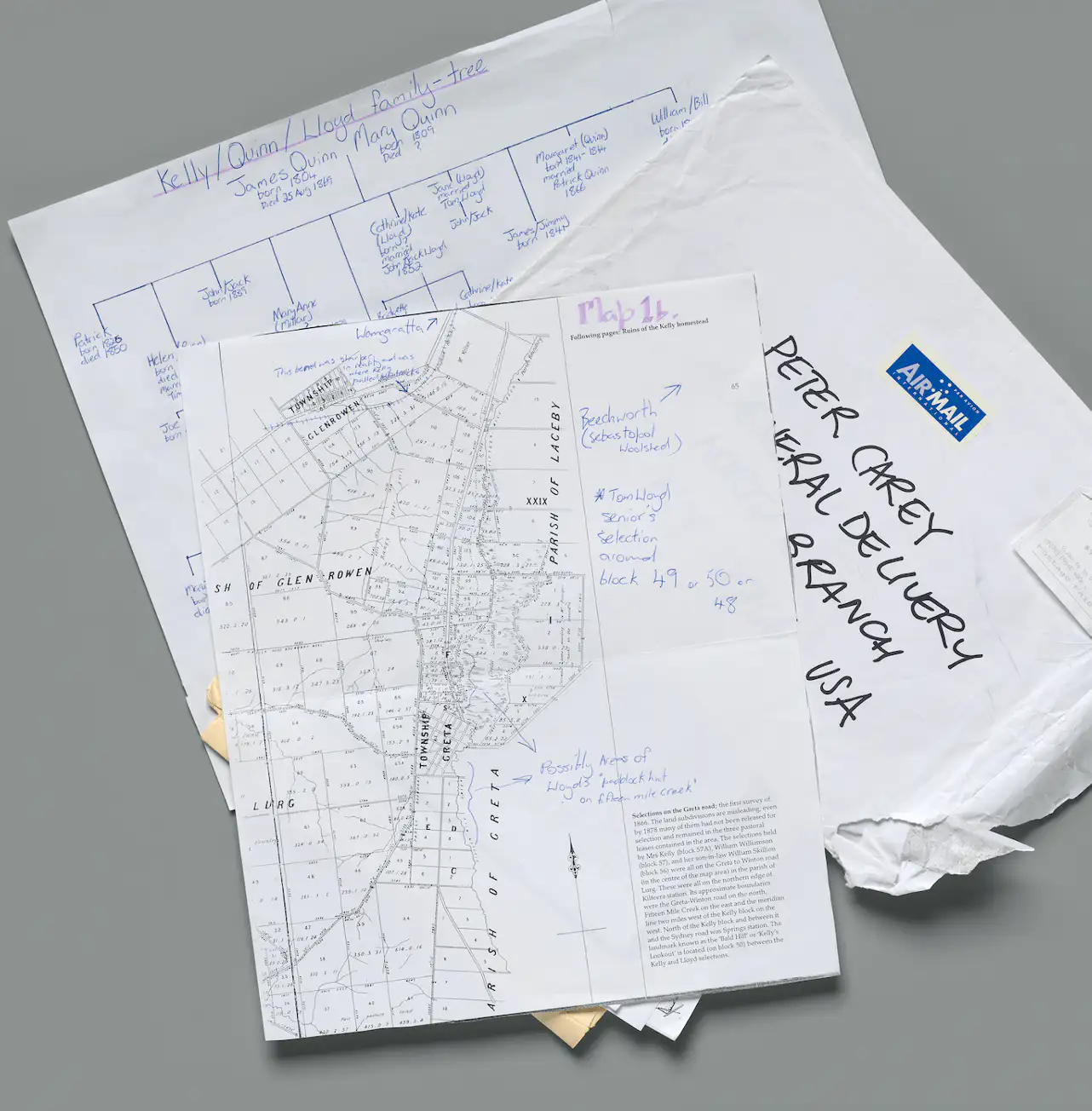
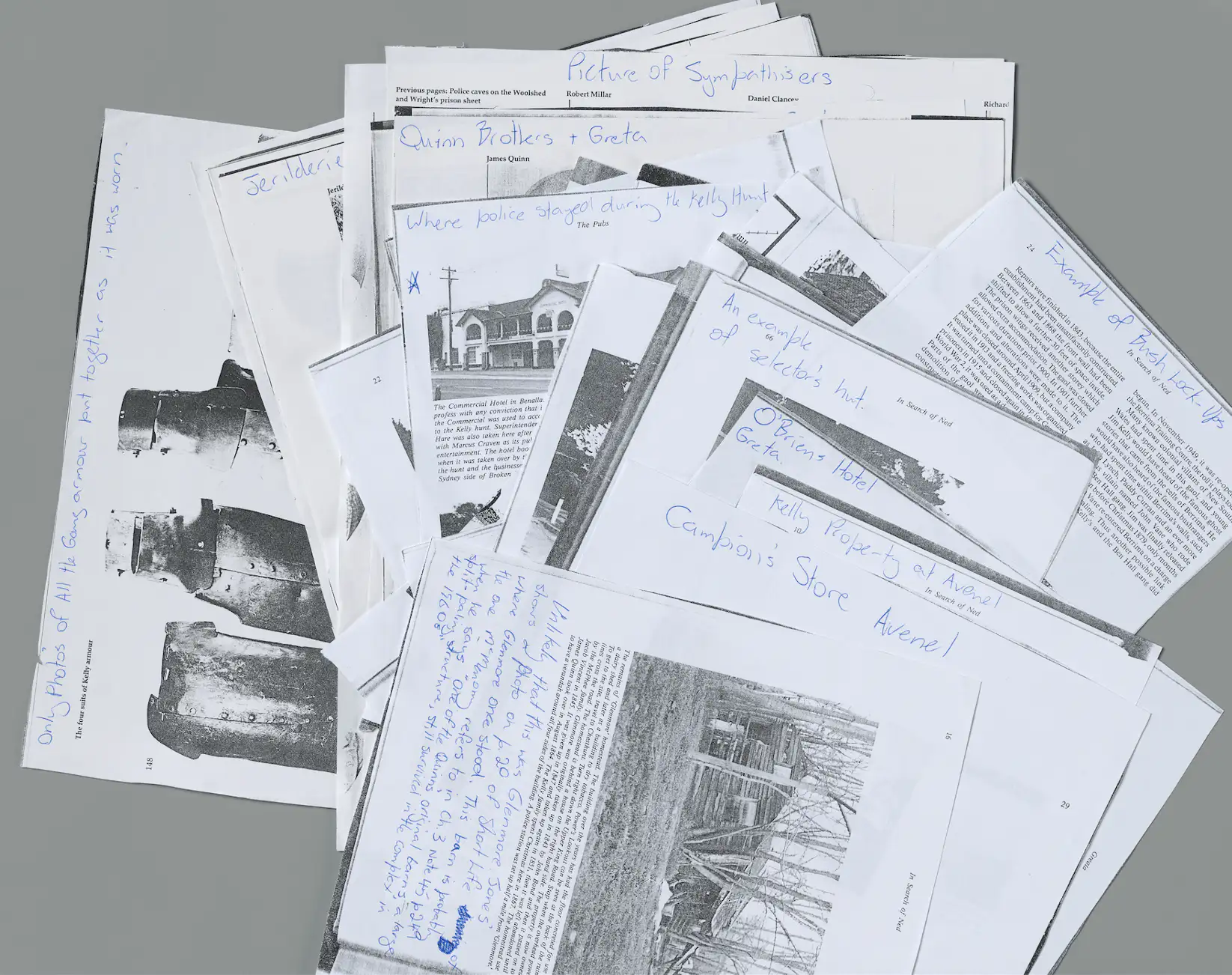
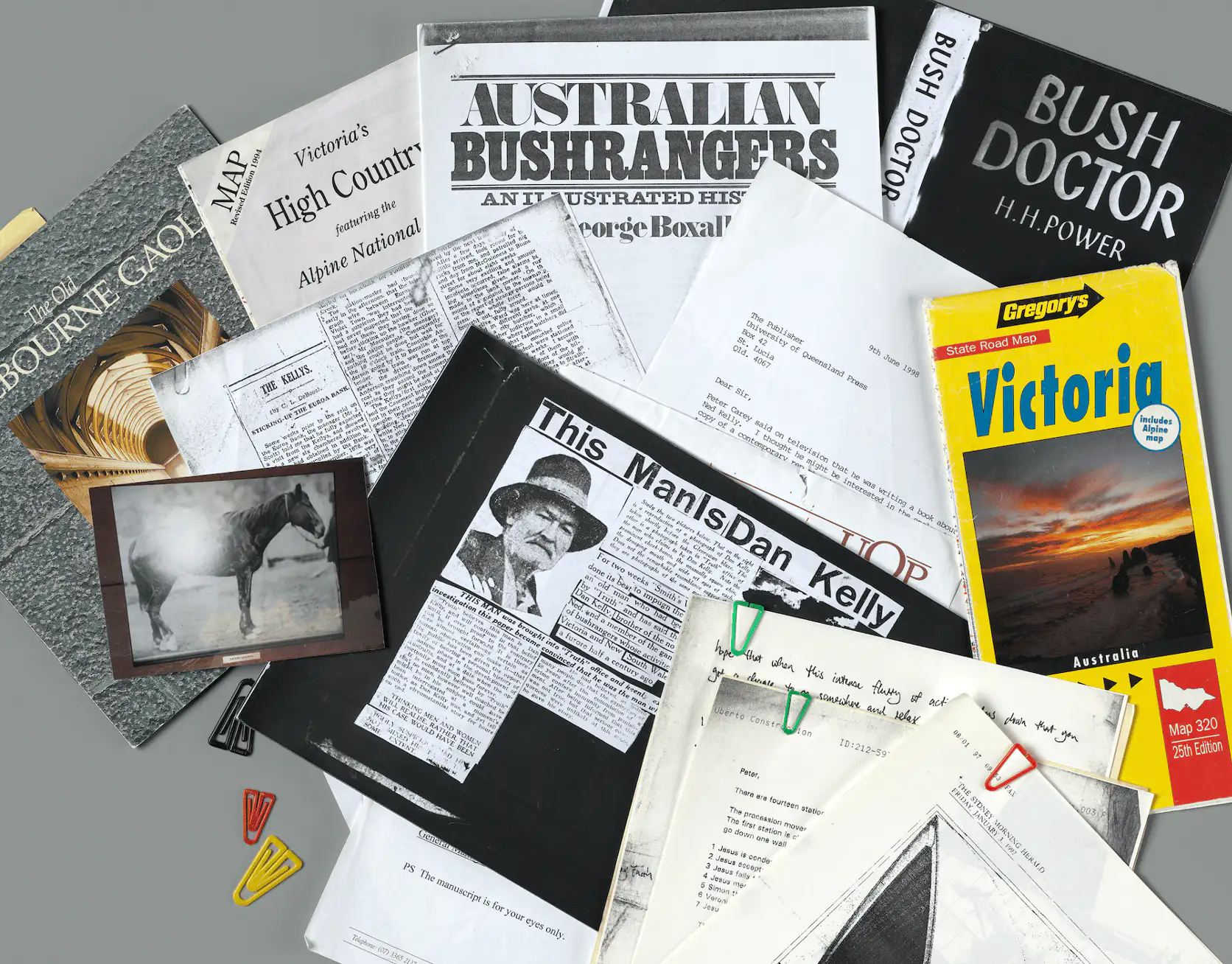
“but I also read obsessively around the subject.”
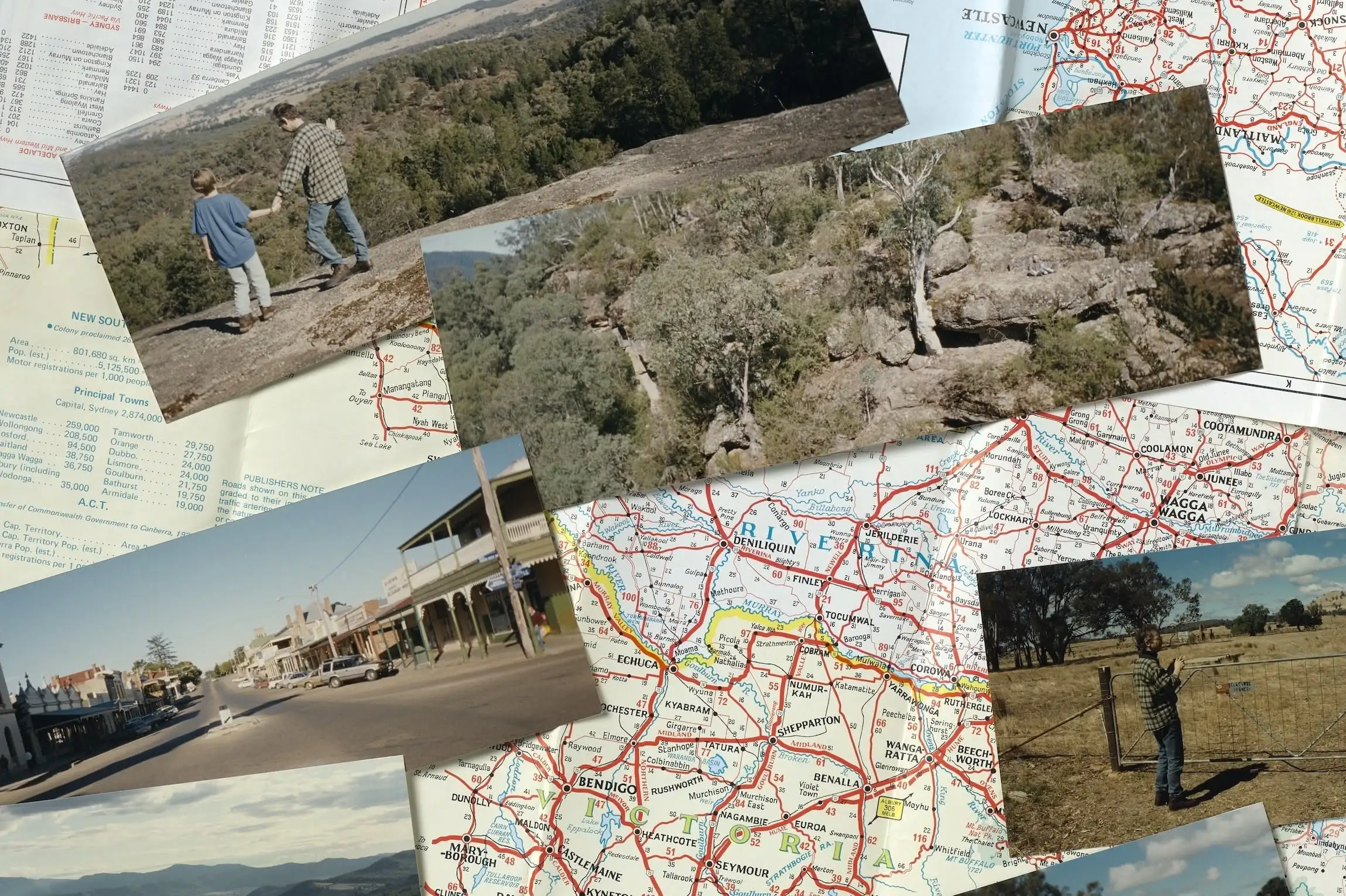
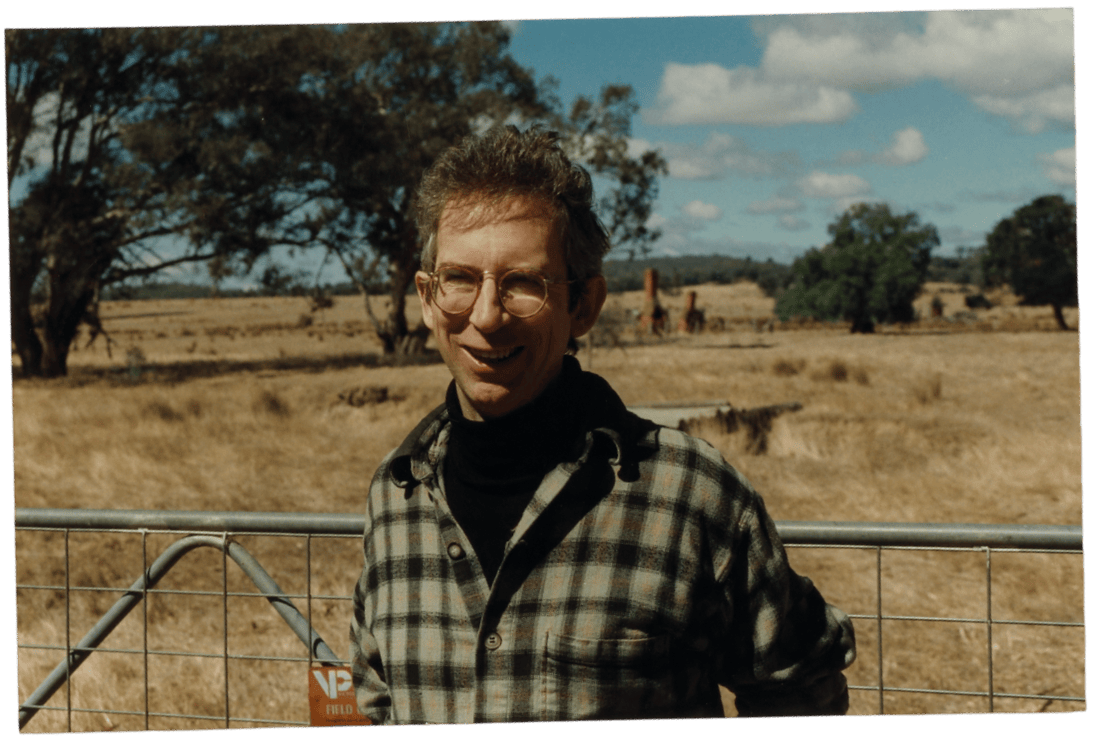
“I visited Eleven Mile Creek, Benalla, Stringybark Creek, Greta, the first time with my dear friend Paul Priday and Sam, my eleven year old son, the second time with the architect Richard Leplastrier and publisher Laurie Muller.”
“Laurie taught me the landscape from a horseman’s point of view, forced me to climb hills I would rather have ignored, sleep out in a swag on a rainy night when, honestly, I preferred a motel bed. The three of us visited Powers Lookout while hung-over from duty-free Laphroaig, but not even alcoholic poisoning could diminish Richard Leplastrier’s supreme visual intelligence.”
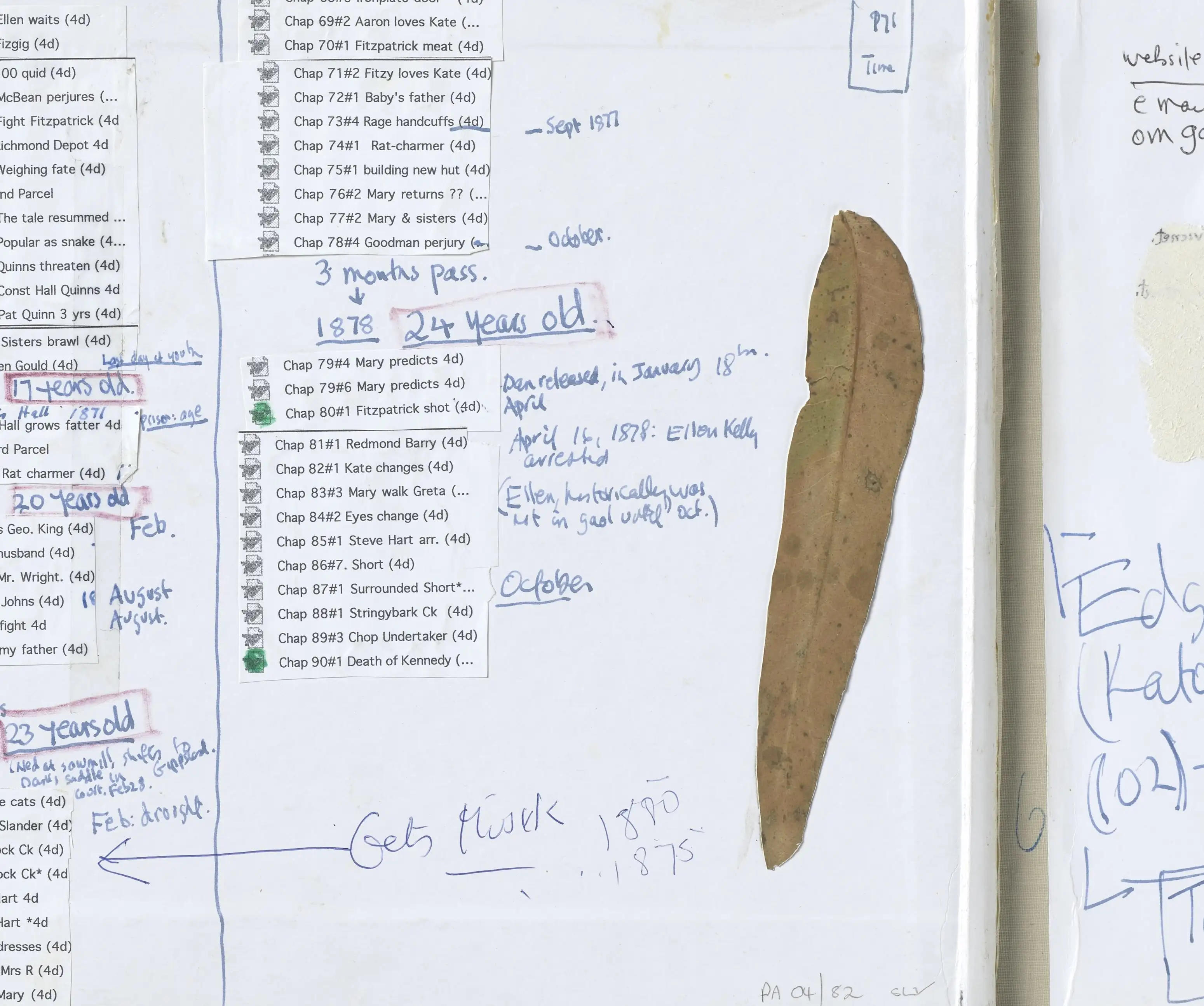
“I made notes, saved a leaf at Stringybark Creek, composed an encyclopedia of smells.”
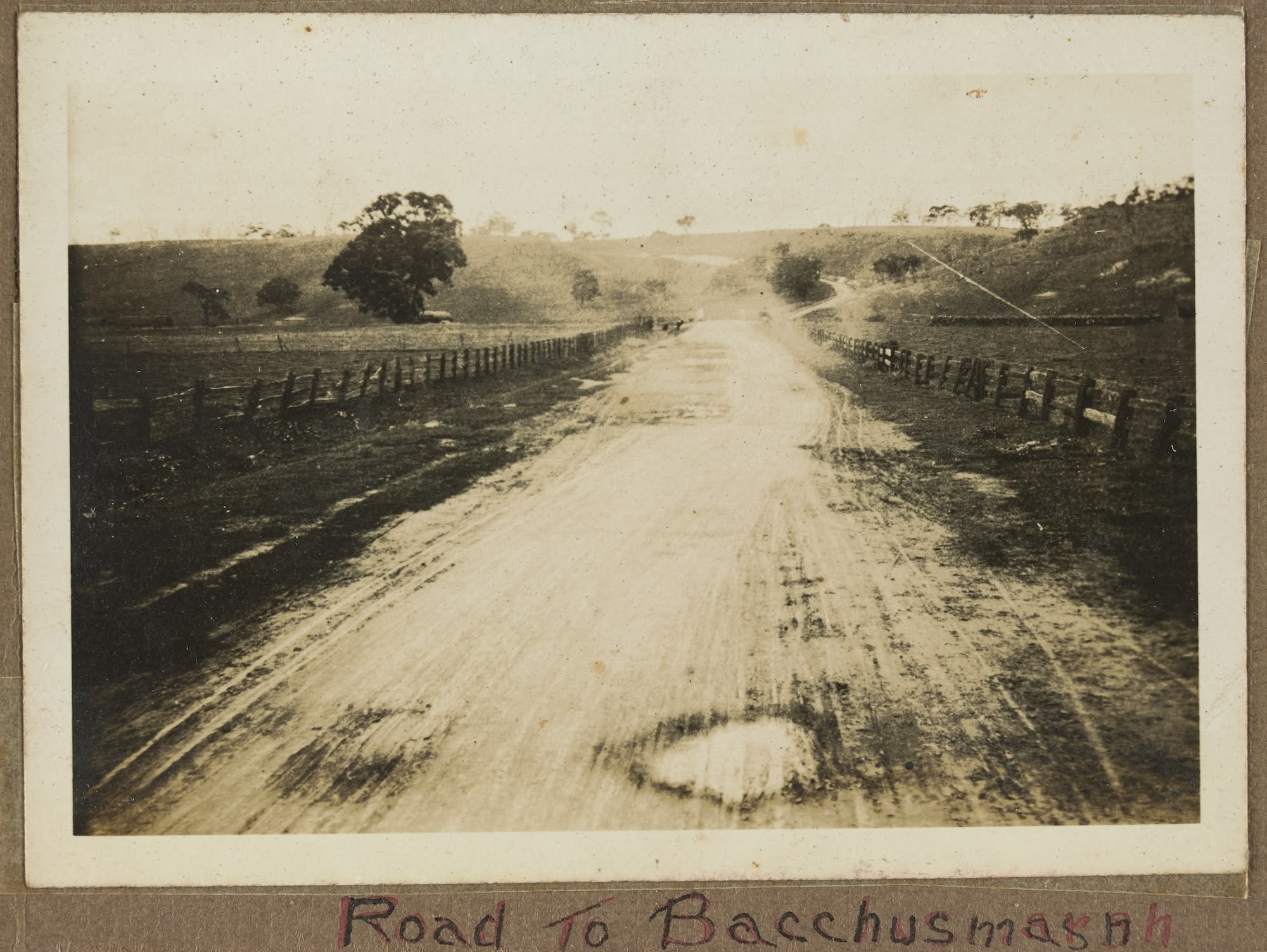
“The book that finally emerged owes so much to Richard and Laurie, but also to my first ten years of life in Bacchus Marsh, one hour’s drive from Beveridge where Ned was born.”
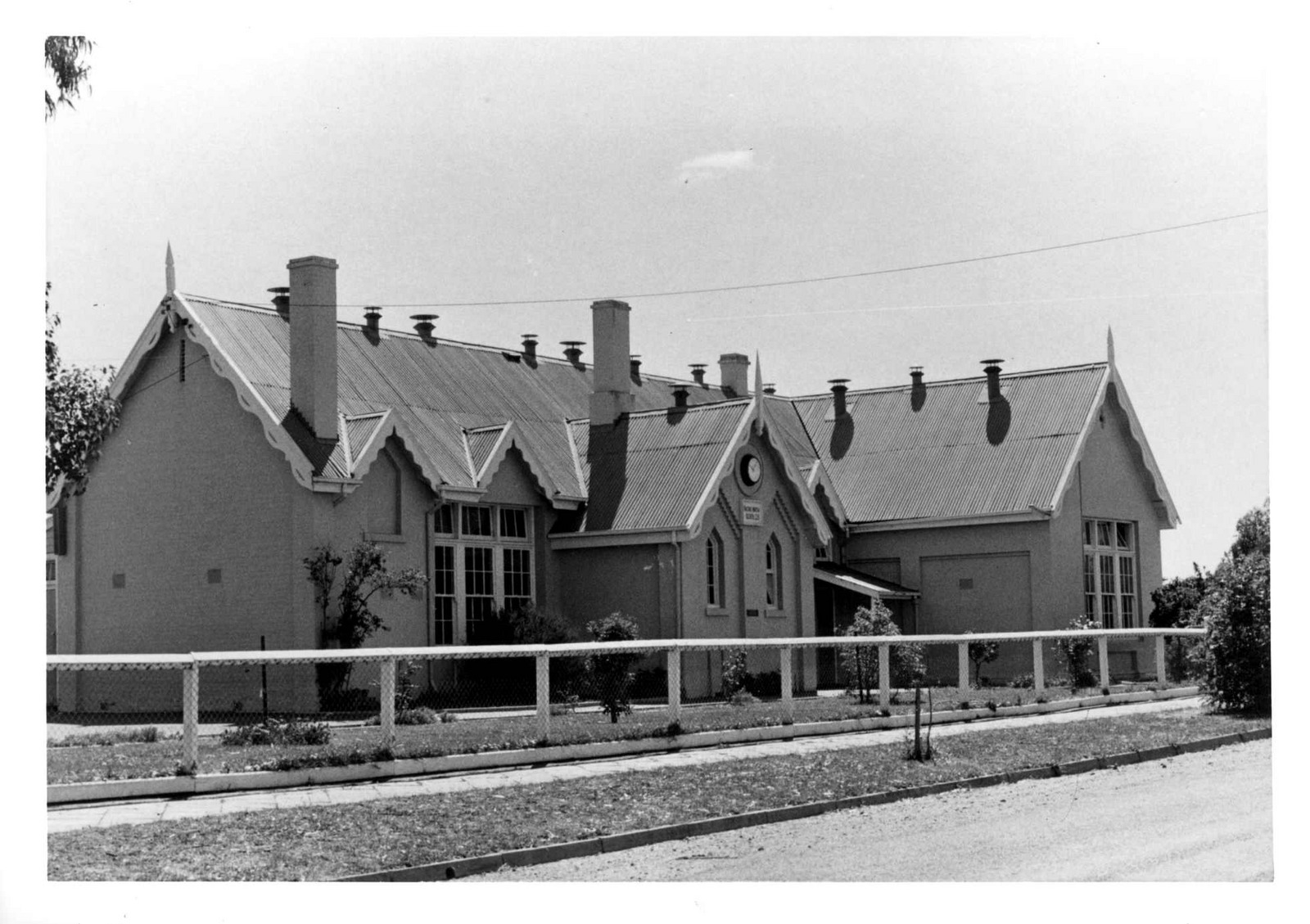
“It was just sixty years since Ned’s departure when I arrived and you could hear the language of Ned’s letter in the playground of State School #28.”
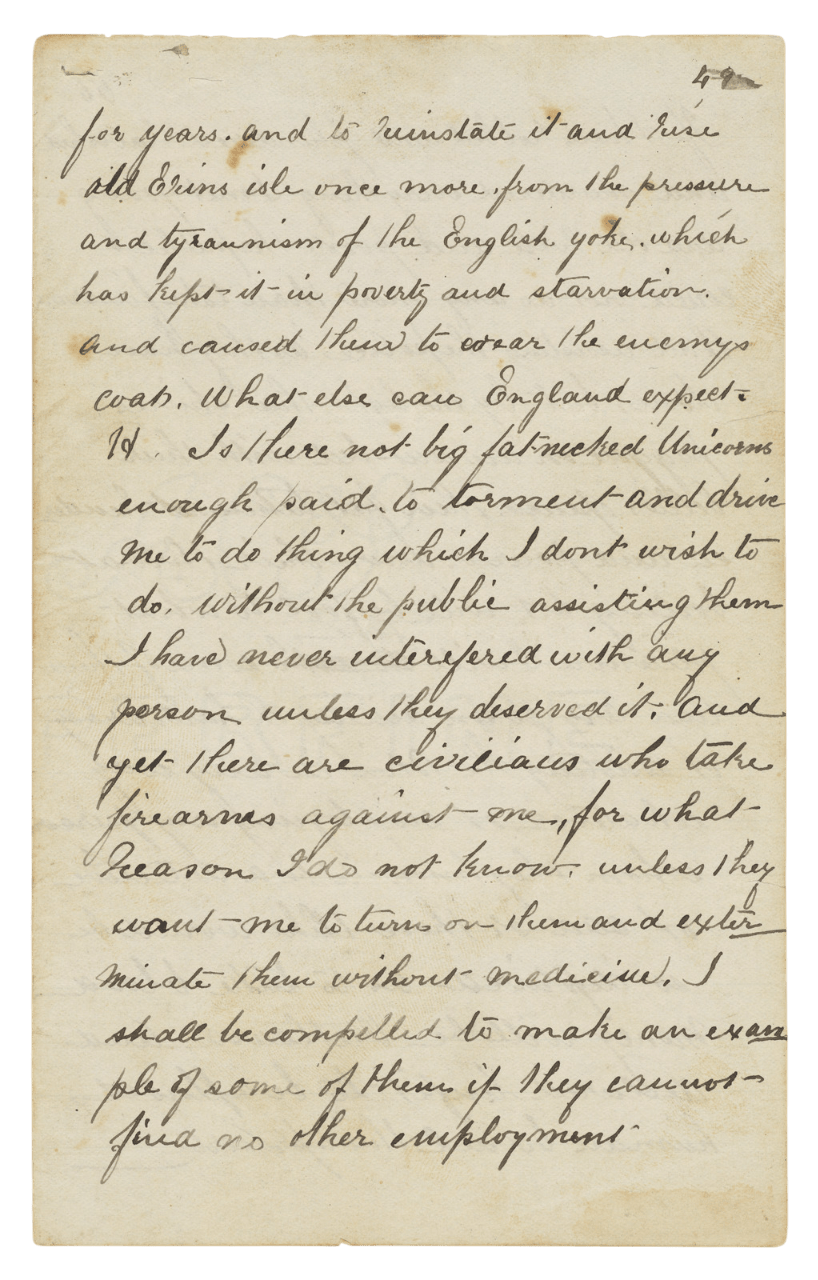
“And it was that <em>language</em> that made me want to write this novel, to make a modern poetry from the voice of a man who had been throttled by the state on Russell Street, around the corner from where you are standing now.”
“All sorts of problems lay ahead of me, but I would never have a problem with the voice.”
Day 377
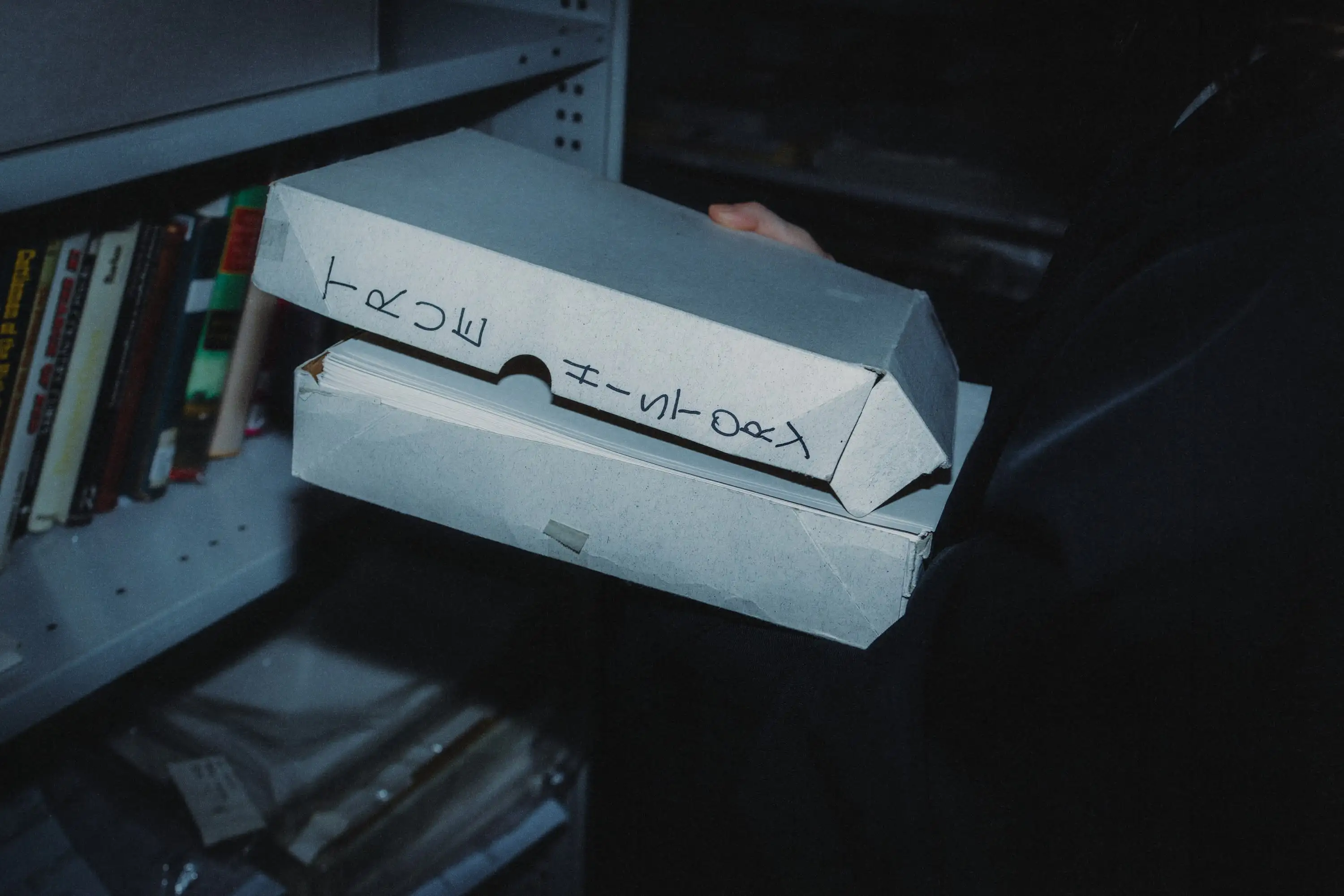
“It’s easy to recognise a writer who’s just come from their desk. You can see it in their haunted eyes, as if they’re still living in another world. This manuscript is that world.”
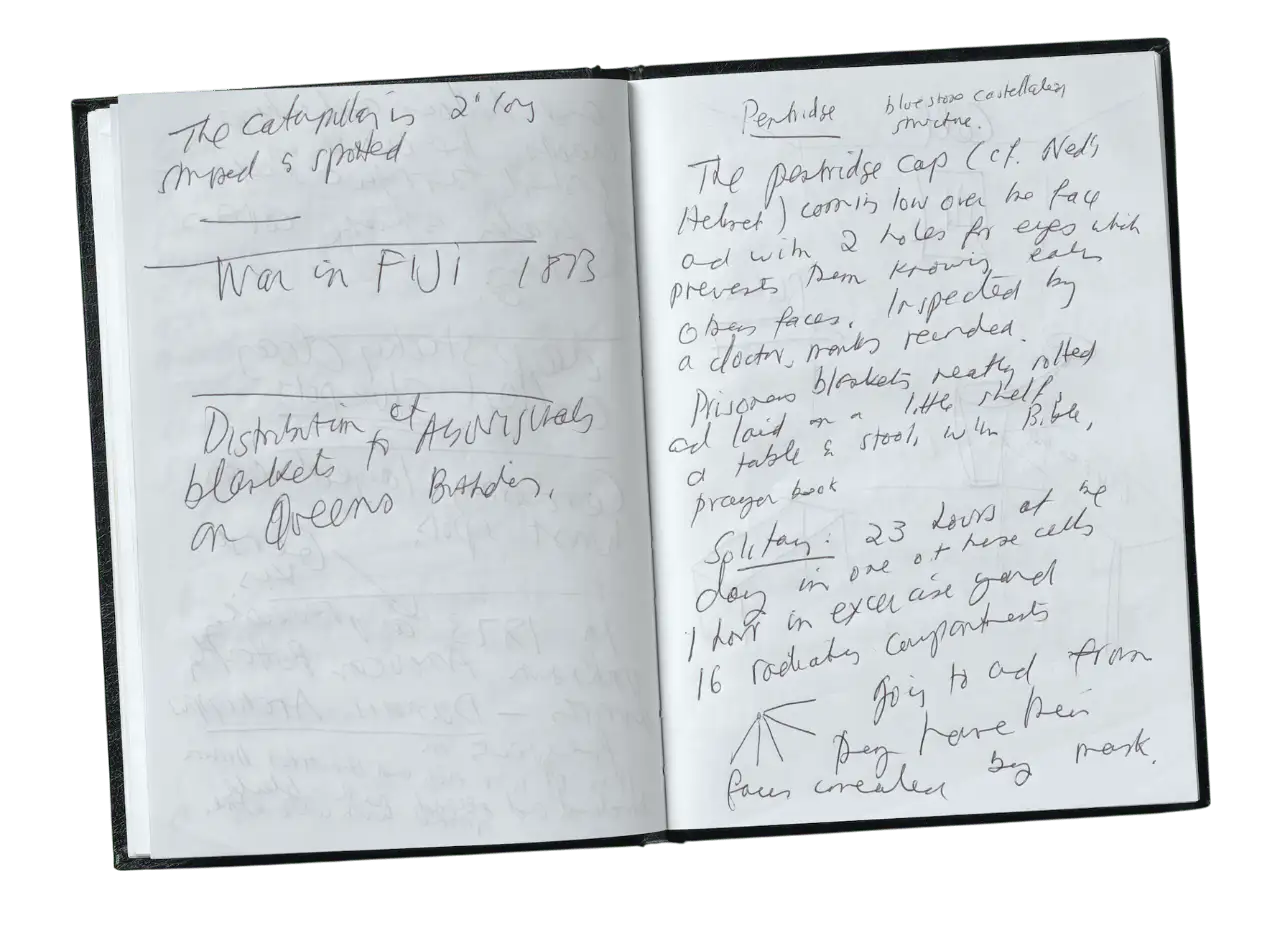
“It is where I lived a thousand days, always confident about the voice but, Lord … what was it really like to be an Irish immigrant a century ago.”
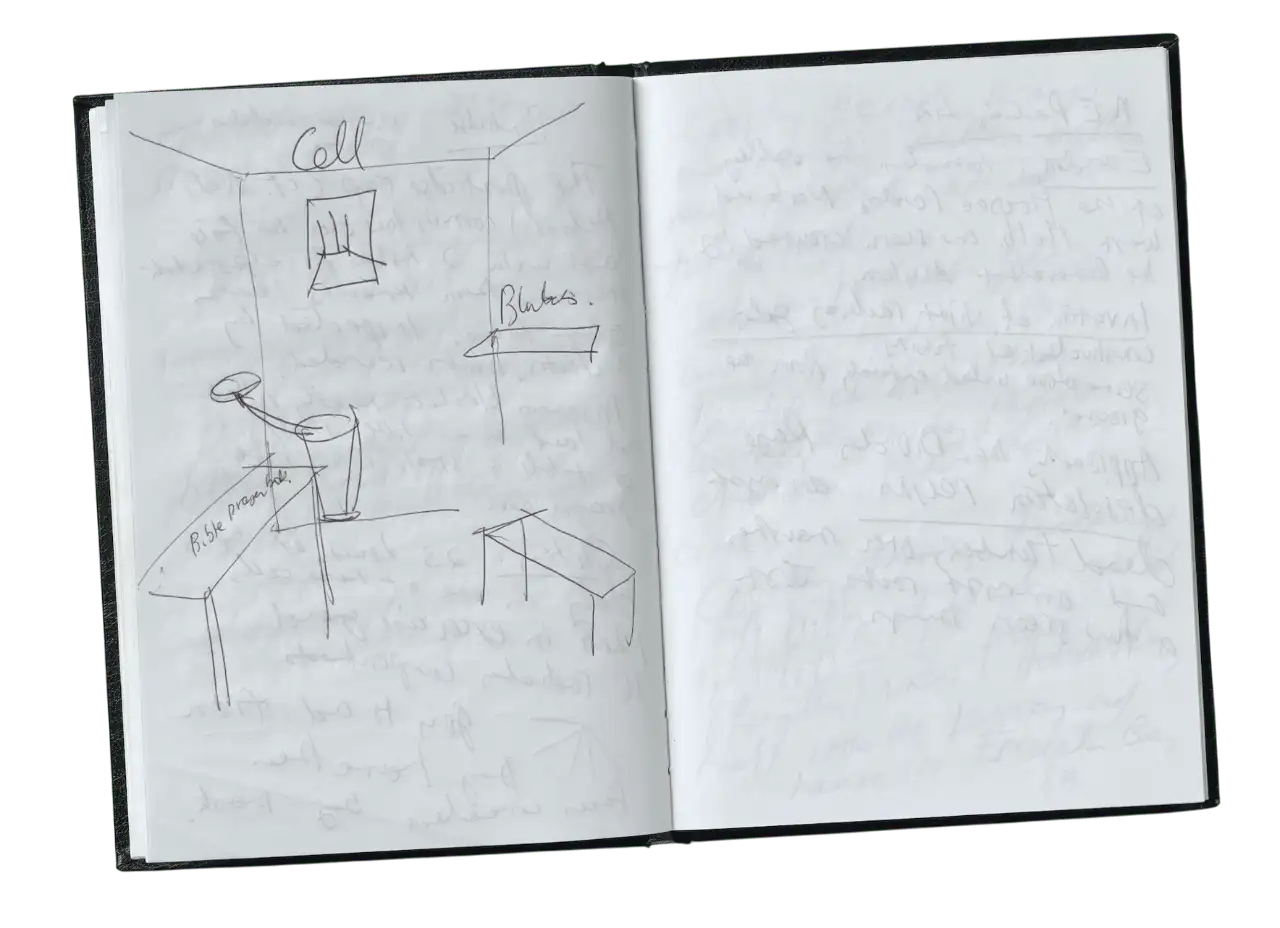
“What was it like to be sixteen, locked inside a cell in Beechworth. What were the dimensions of the cell. Where was the shelf, the cruel unbending bed?”
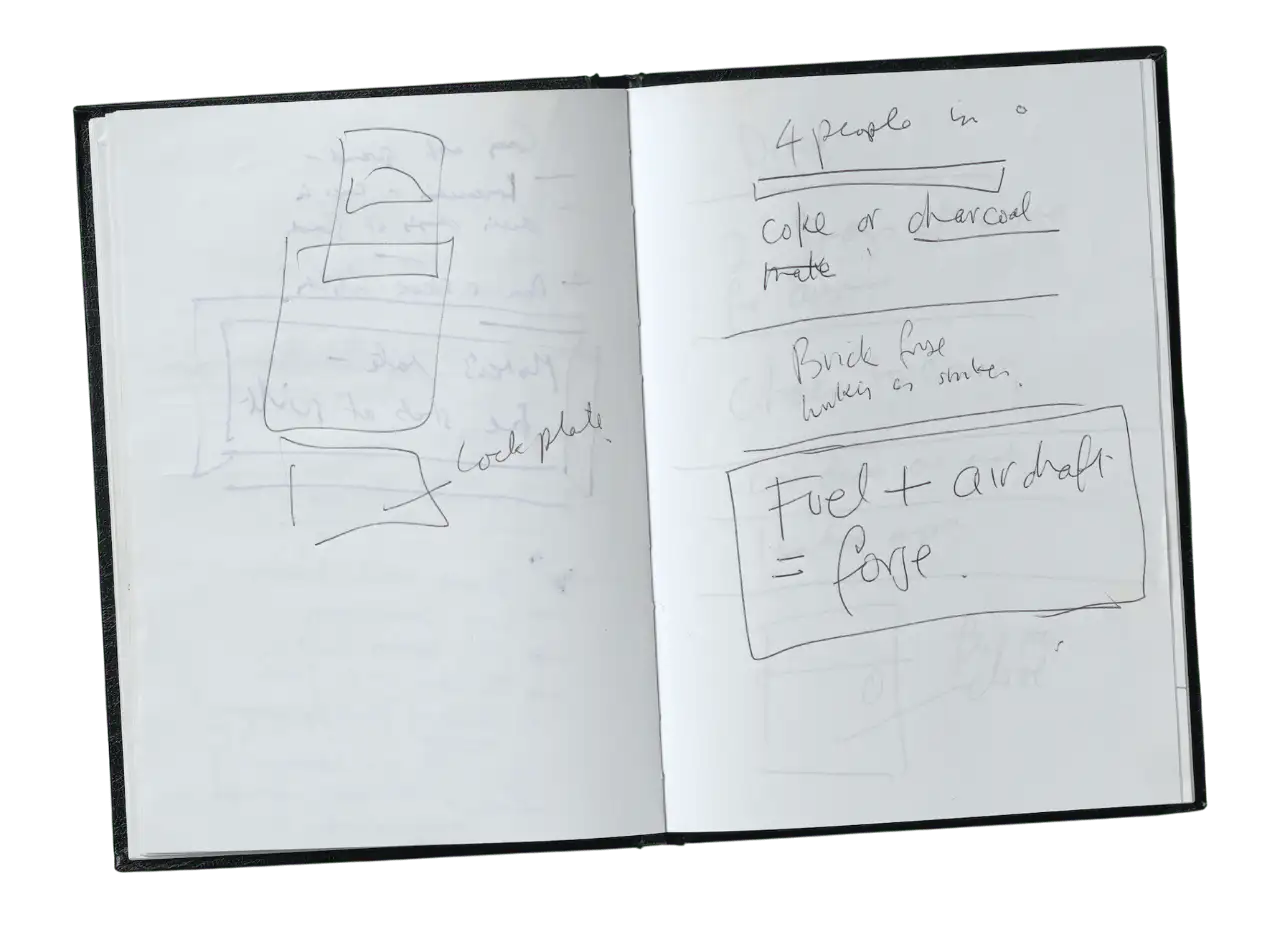
“What does a boy feel to have his father stolen from him, handcuffed to the stirrup iron of a policeman’s mare.”
“My notebooks are a mess of endless questions, inept drawings. What happens when Easter arrives in Australian autumn instead of Holy Irish spring? When the convicts were transported was the banshee left behind?”
Day 265
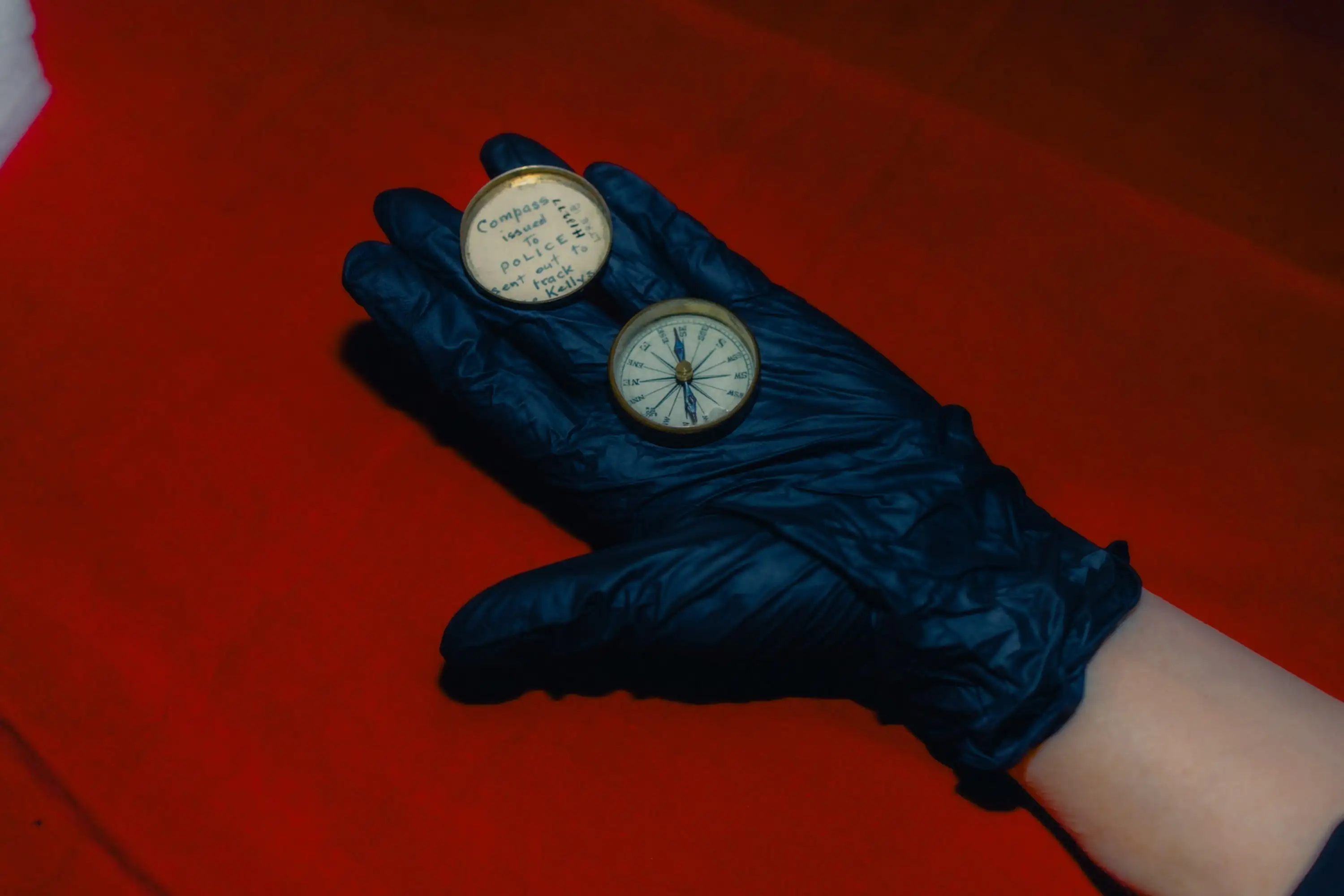
“For Ned to come alive I needed to think of things we had never thought before. That is the thrill and the terror of a writer’s life, to walk out on the tightrope every day. The manuscript reveals none of this.”
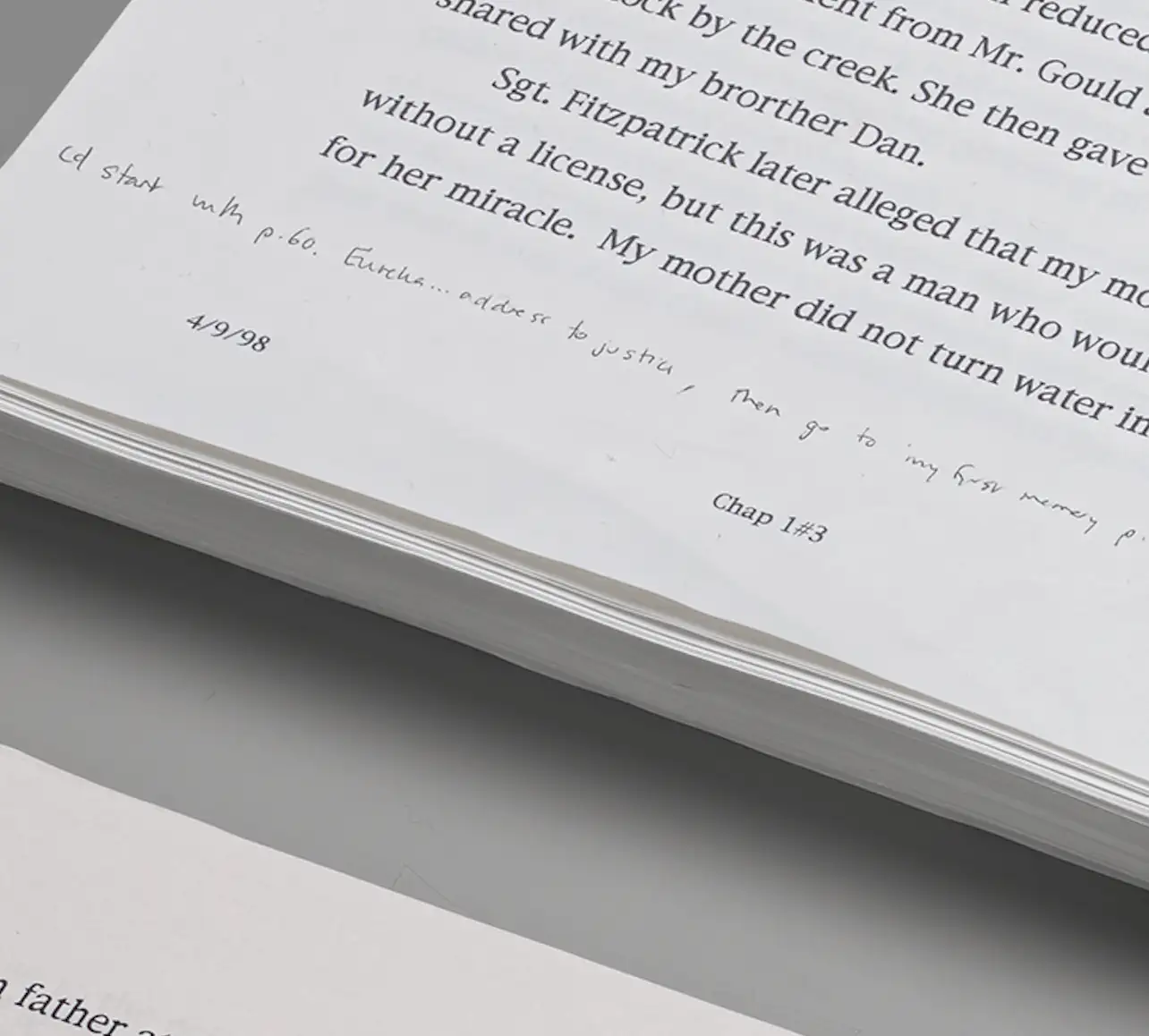
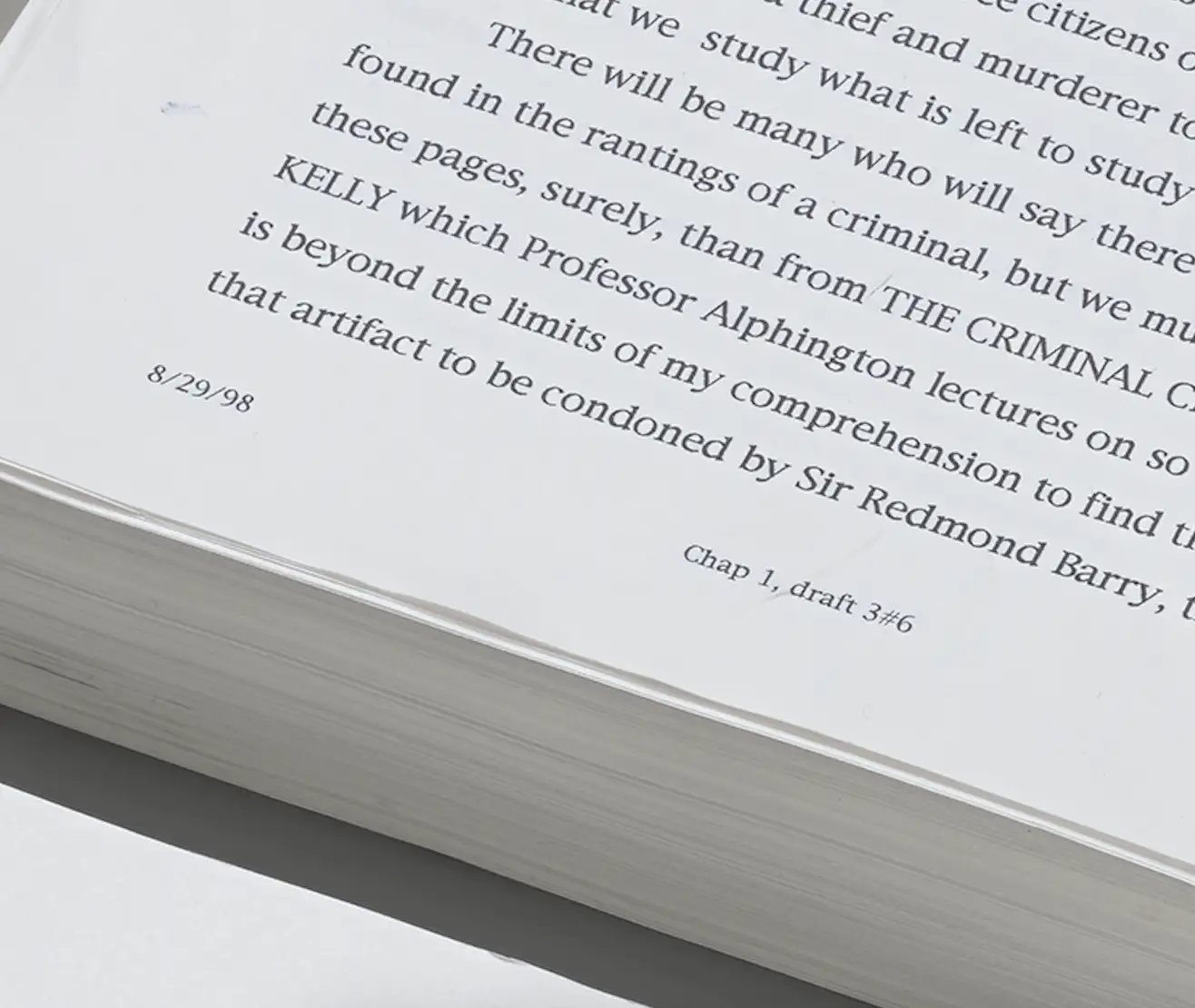
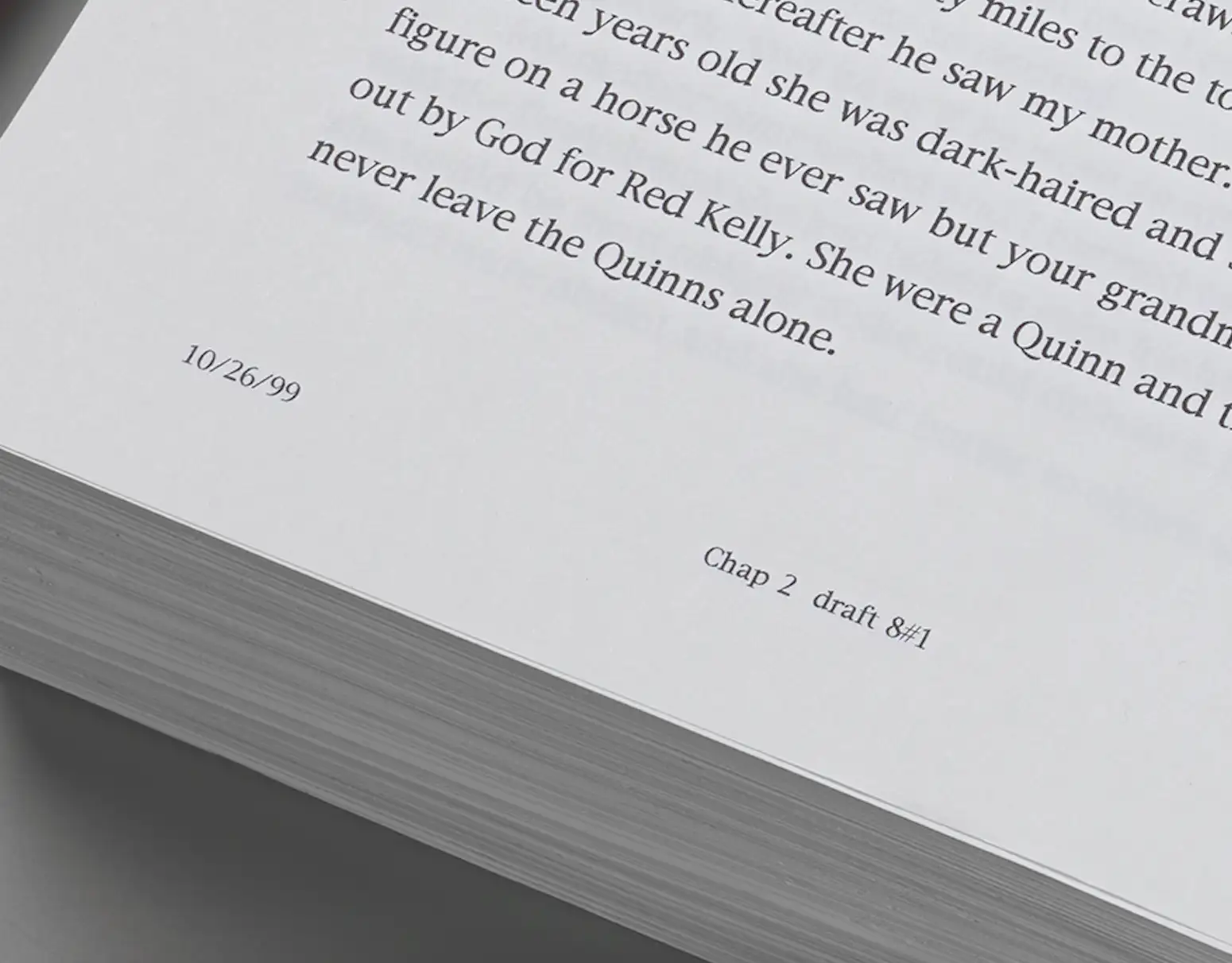
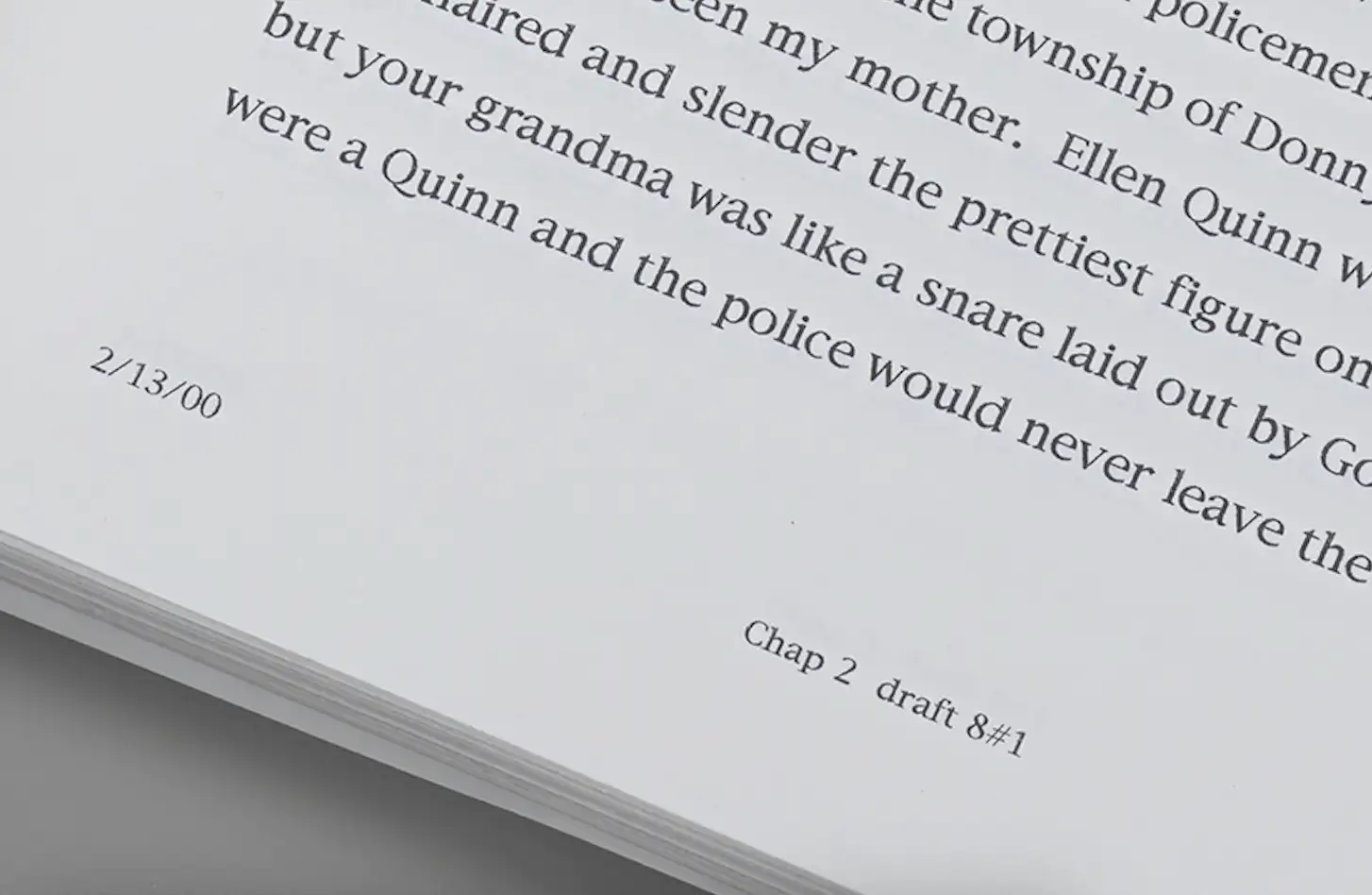
“If you read the bottom left-hand corner of the manuscript you will easily learn what words were printed on a given day. But there is nothing to show what words have been inserted, transposed, deleted, or when the banshee crawled in from the dark.”
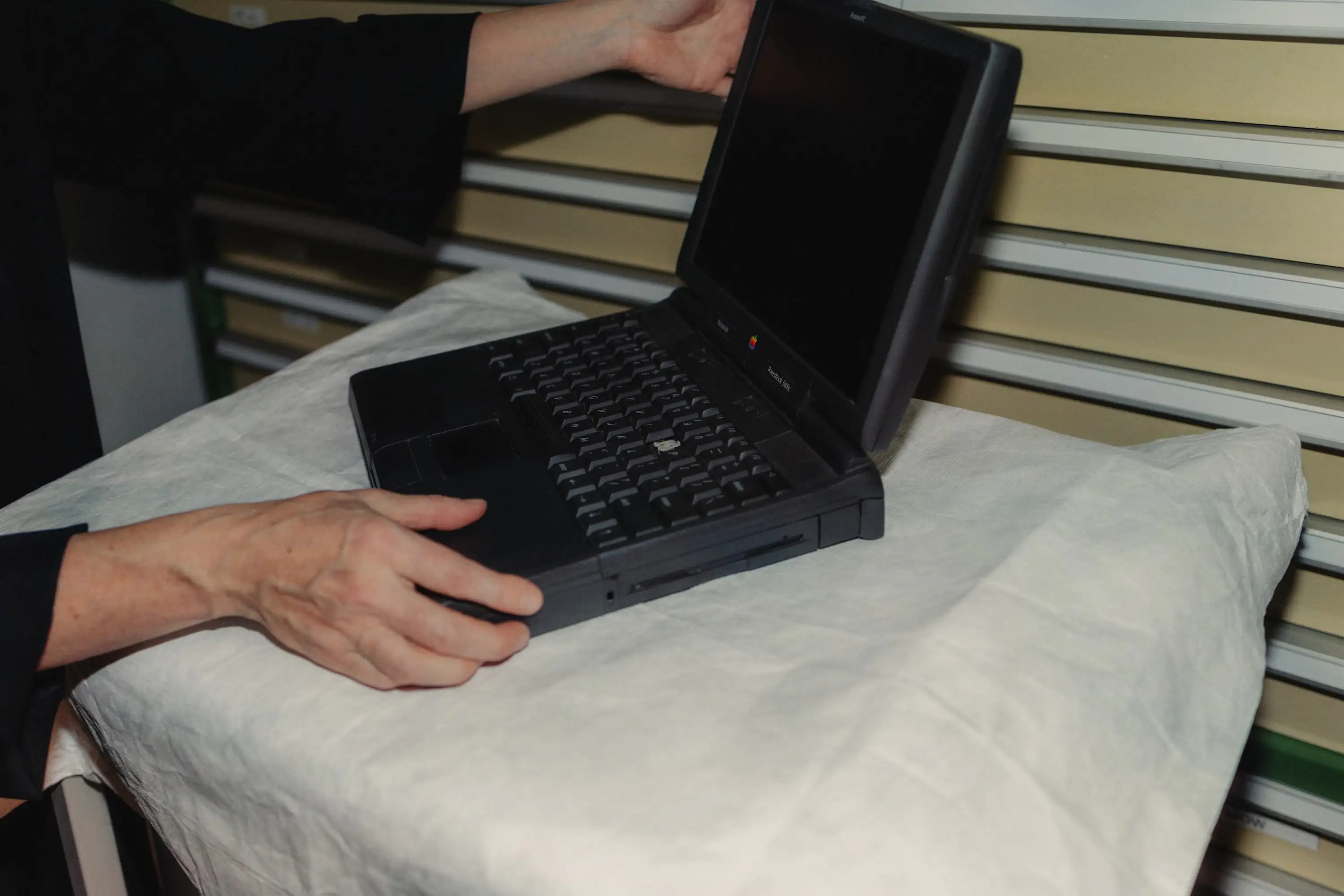
“You could ask my computer if you had the skill, but the computer isn’t talking and the only way to get the information is to read all 4000 pages of the manuscript, not like you or I might read a finished book, but like a saint or mad person in a cell, someone with patience to annotate a river or a cloud.”
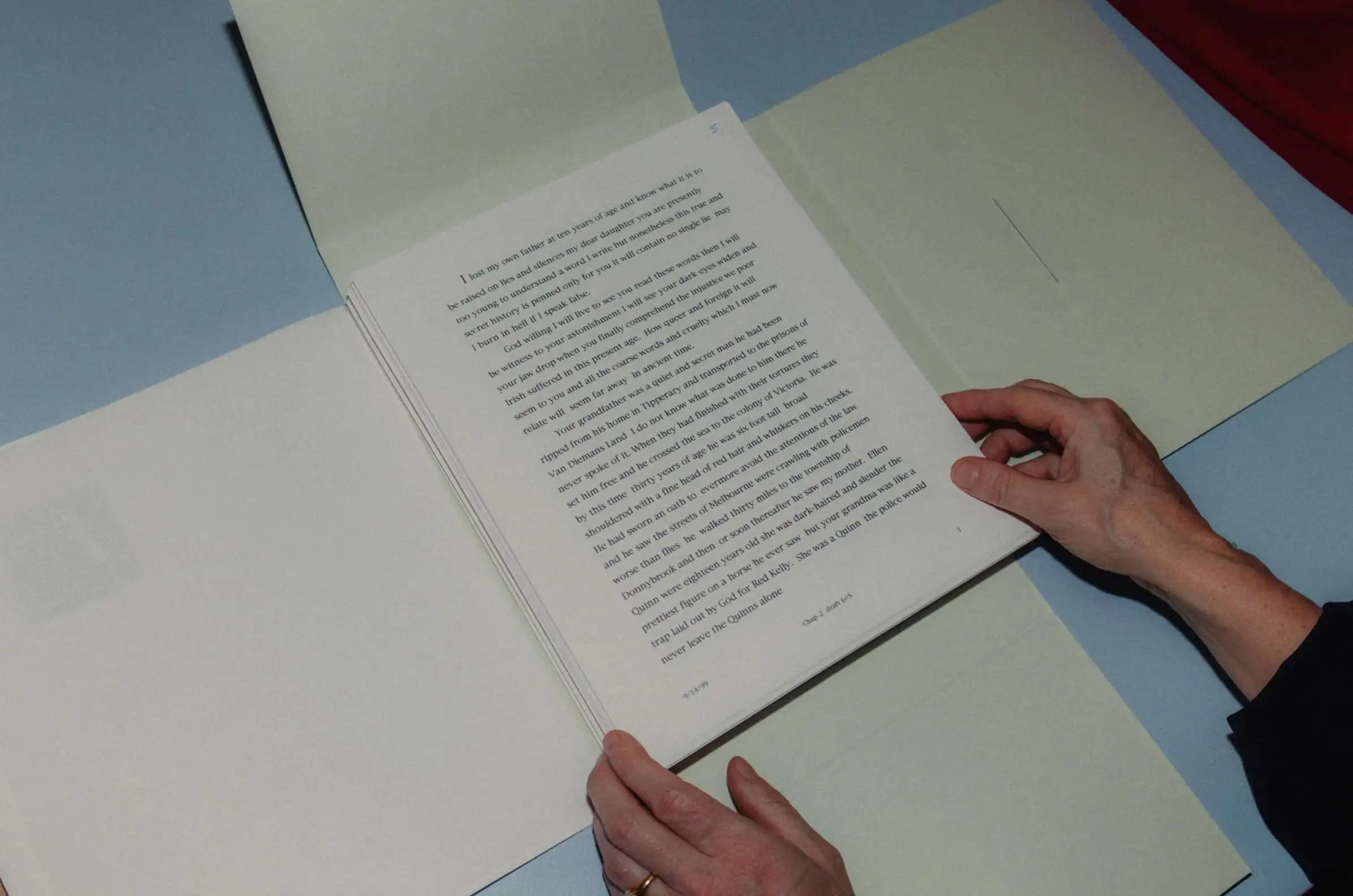
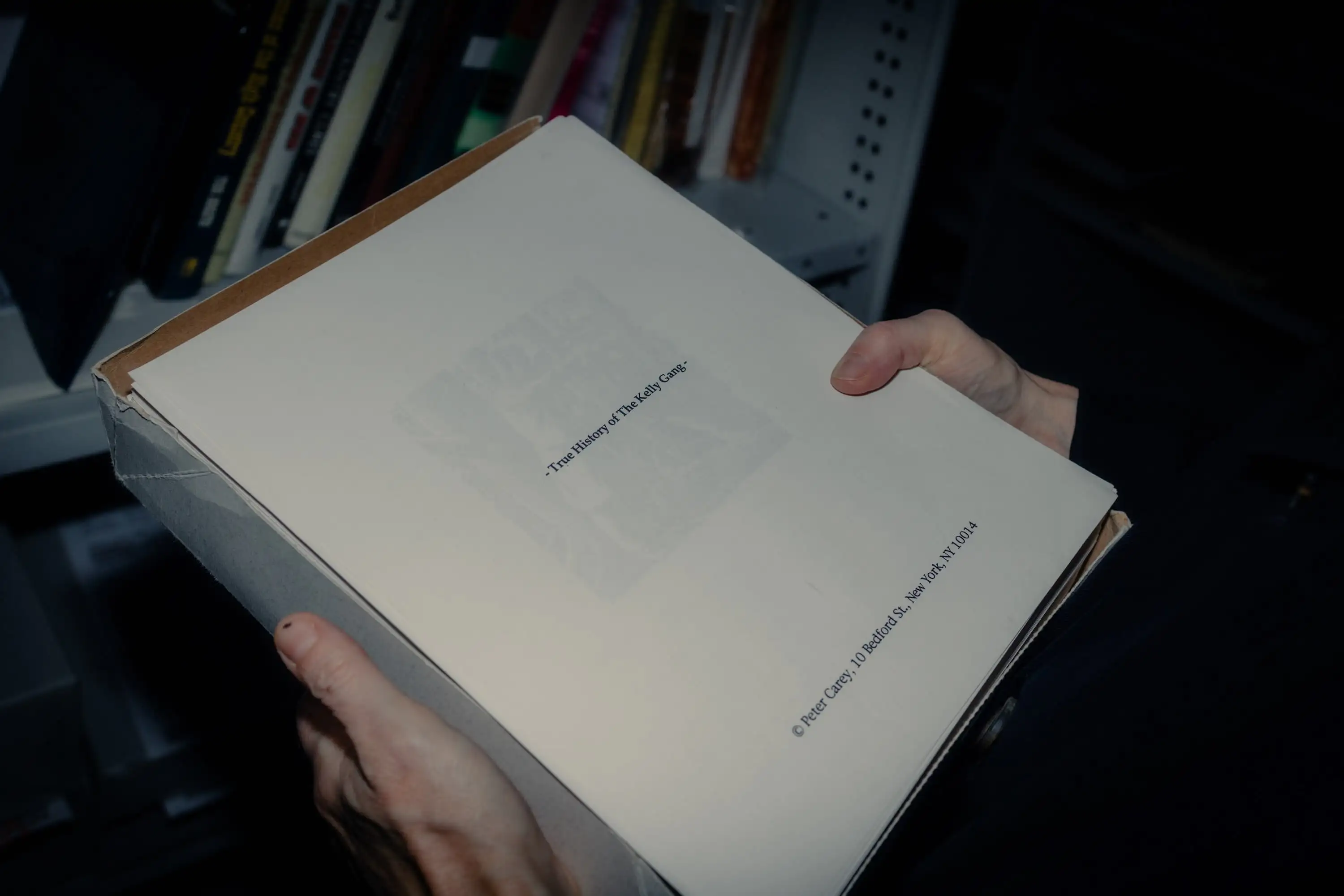
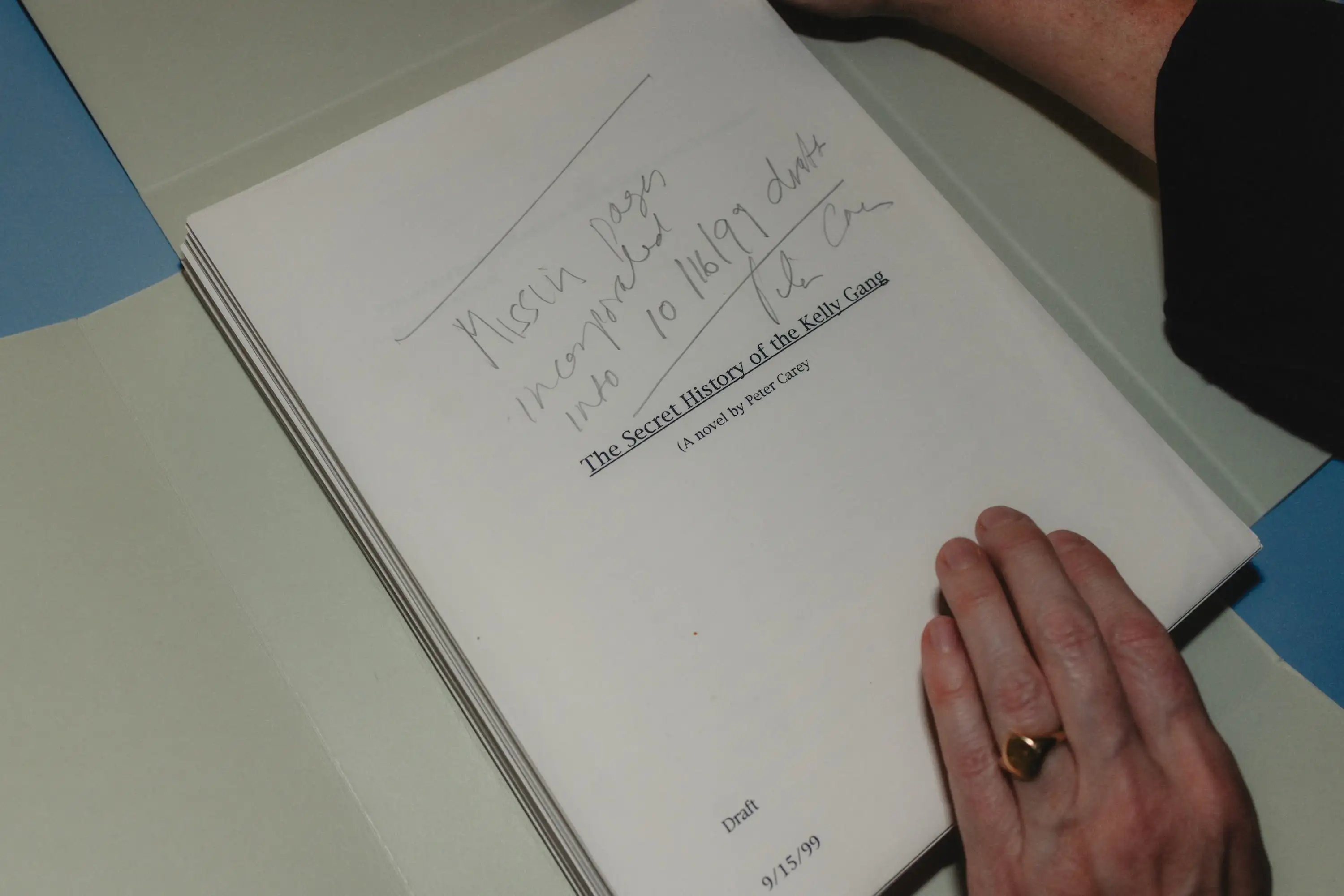
“As it happens, my published novel imagines this very reader. Is it he or she or they? A librarian perhaps? It is a someone I invented, a someone who has collected Ned’s scattered pages and collated them into thirteen parcels. This has allowed me to map the passage of time, to add layers of information and also – an important point – provide chapters for my readers.”
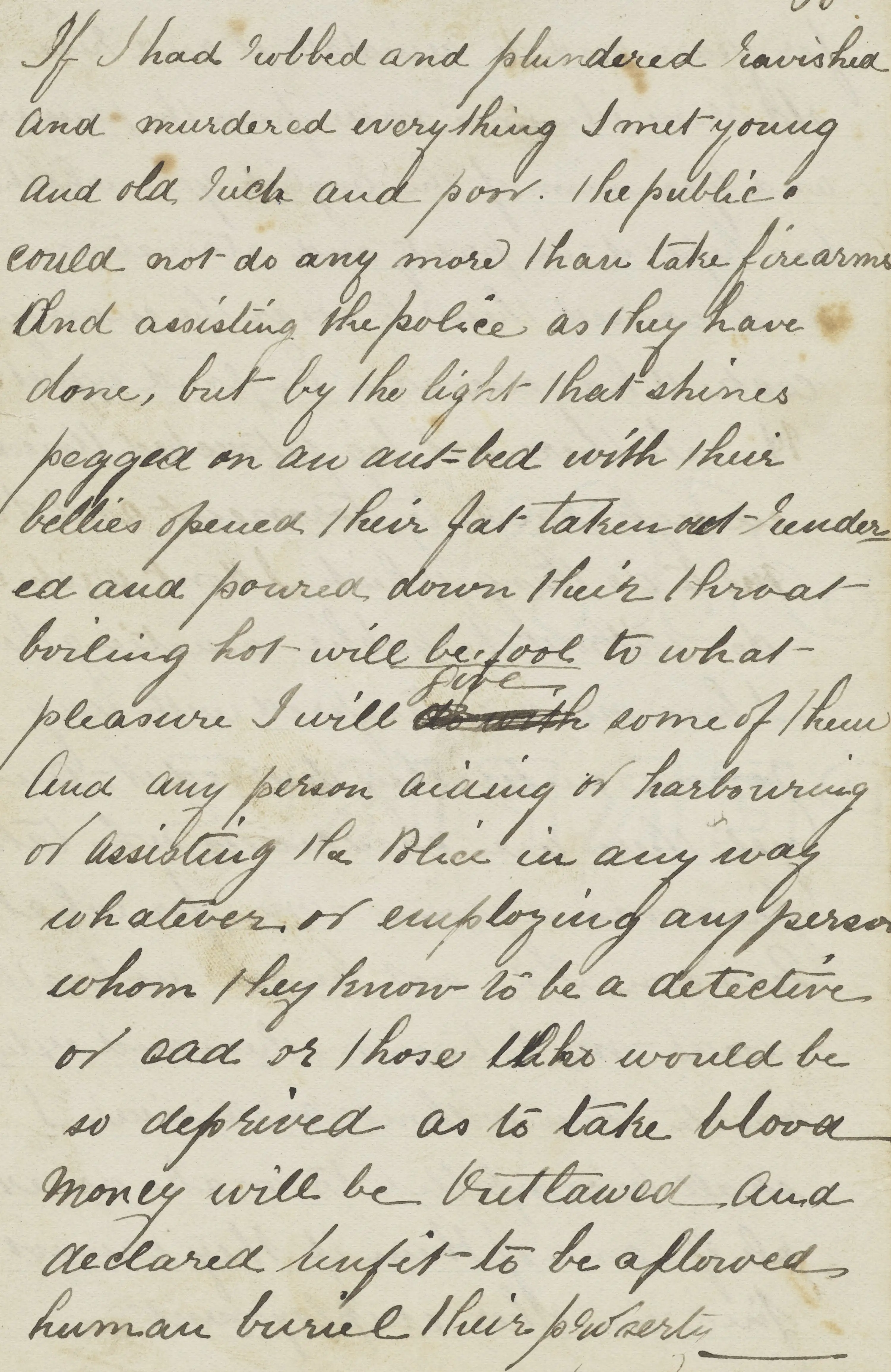
“Of course my Ned was not thinking in terms of books or chapters. He had no time for commas and it is this that gives his voice an urgency and passion, never pausing when it would be grammatically correct to do so.”
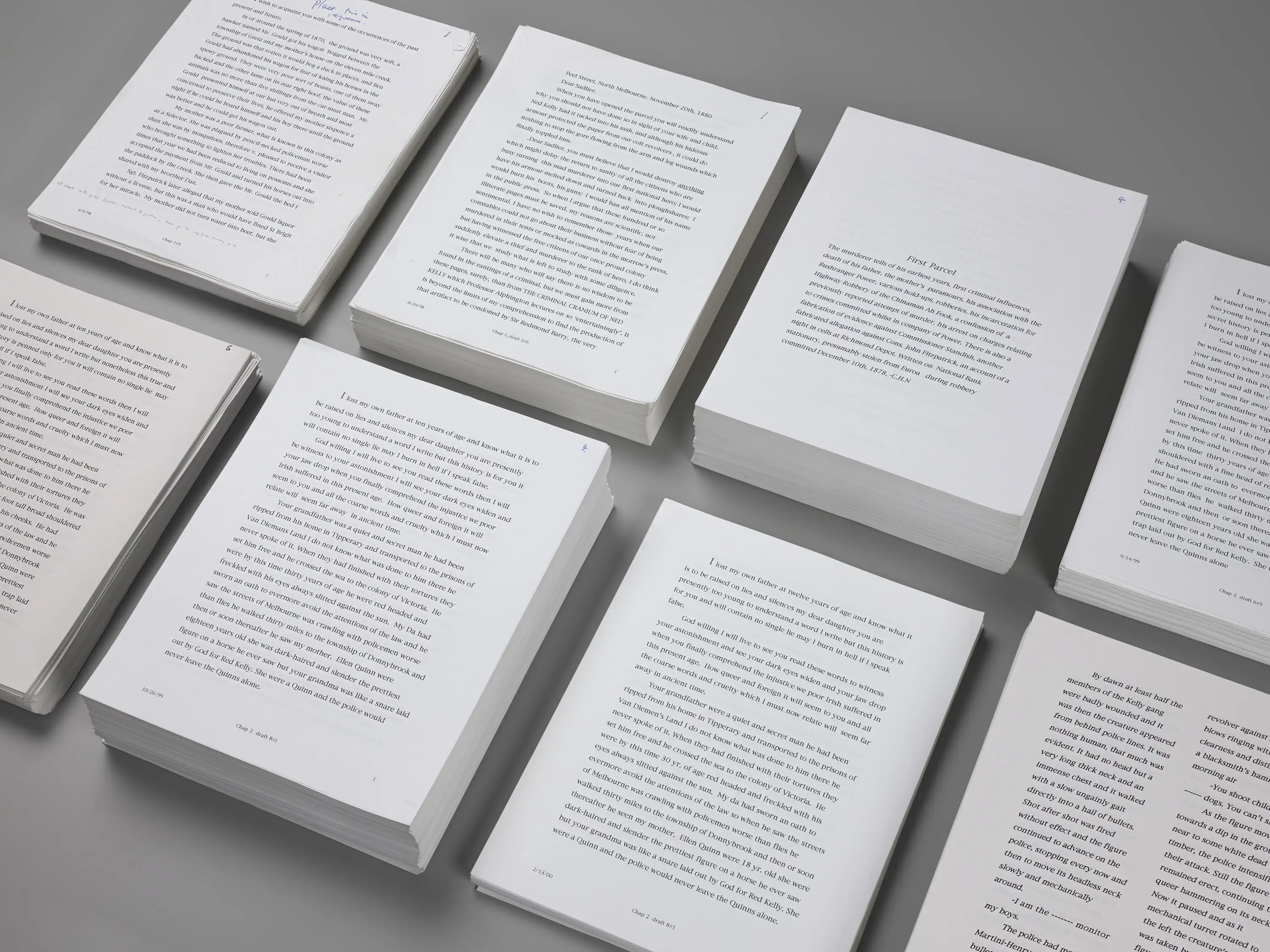
“‘This is a fabulous story,’ my New York agent said, ‘But you don’t need to write it like this.’”
“But I did need to write it just like that.”
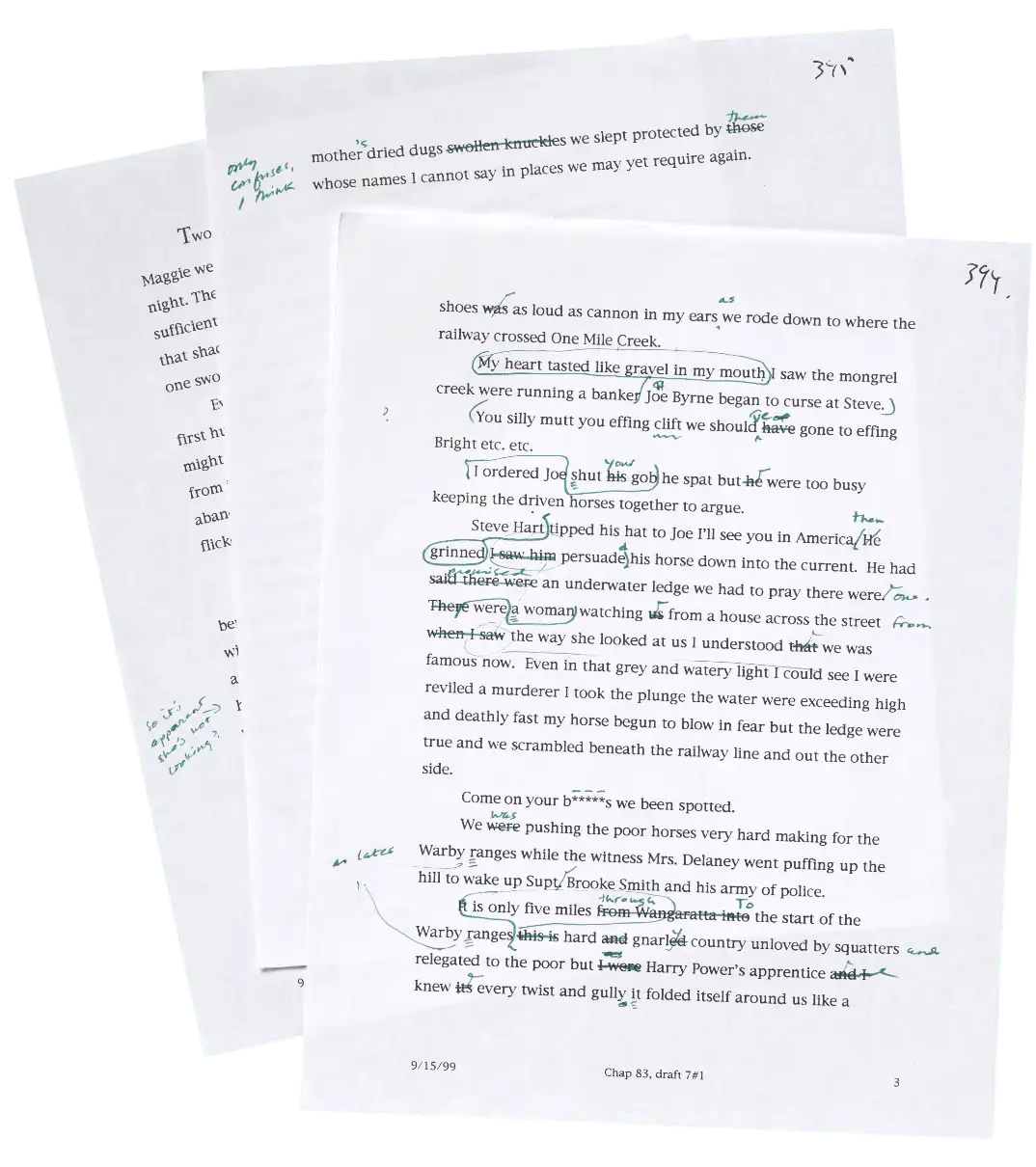
“And she was the excellent agent who had long ago introduced me to Gary Fisketjon (who published Cormac McCarthy) and who <em>I knew</em> would surely know how to read what I had written.”
“I had never wished for line editing from <em>anyone</em>, but now I welcomed Gary’s insistent questioning.”
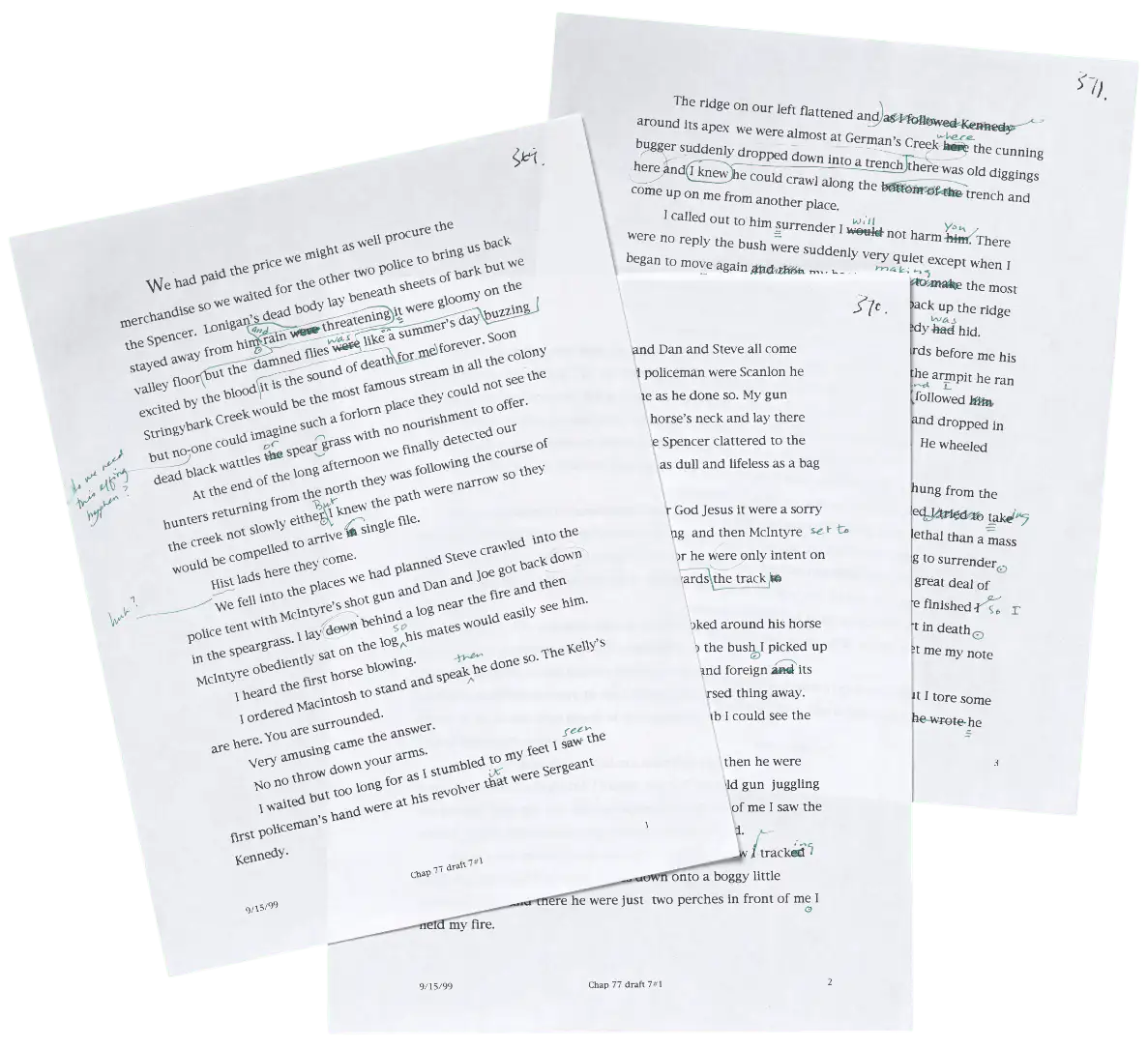
“Yes he was American and we can be amused that he queried the word ‘mopoke’. But he GOT the book, LOVED the book, never relented in his demand that it be as good as it could be, that the jacket be right, that the map be perfect.”
“There was no escape from his passion.”
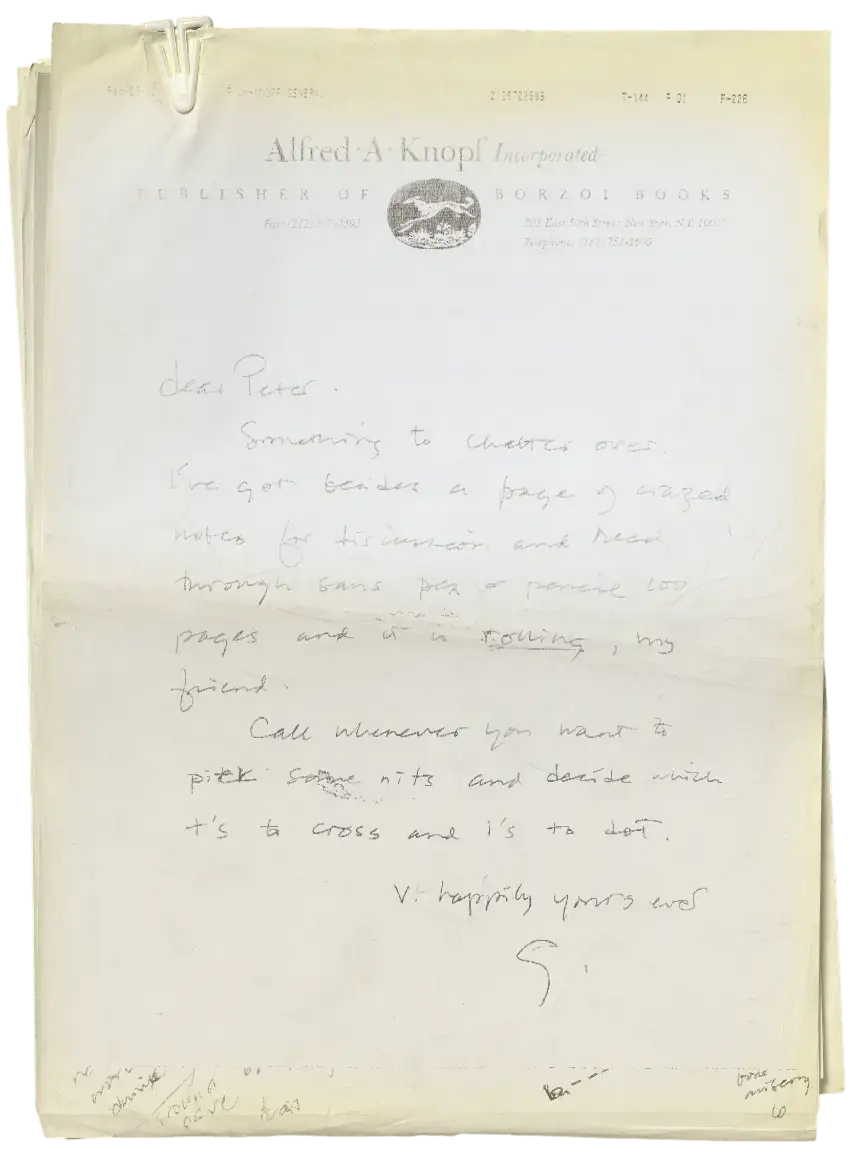
“He tracked me down in Europe and spent five hours on the phone arguing about ampersands because, he said, he wanted posterity to fully understand that <em>you knew what you were doing</em>.”
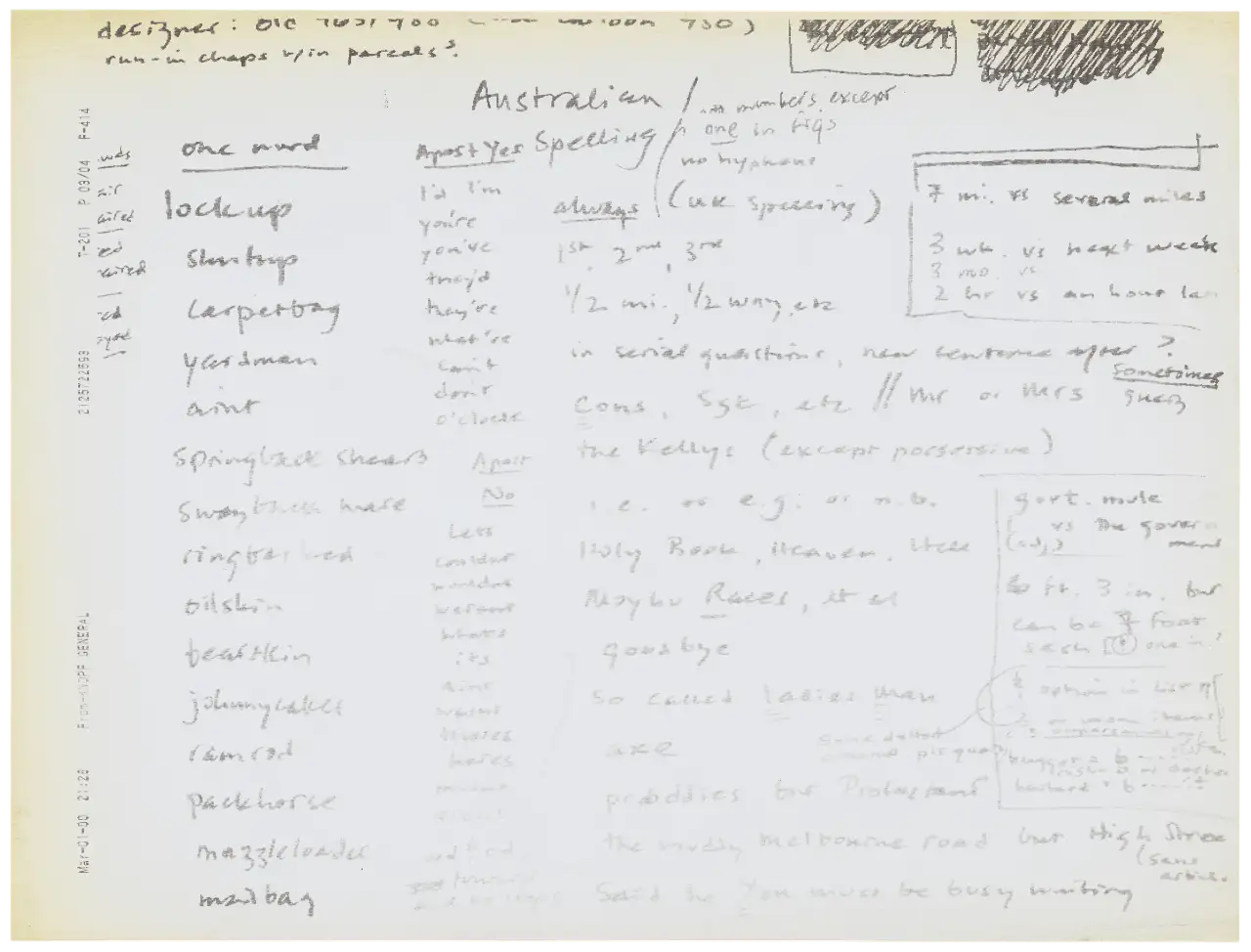
“He made lists for the foreign publishers and proofreaders who would publish later, just so that they would understand that what might be an error in <span class='underline'>The Chicago Manual of Style</span> was exactly what the author wished in print.”
True History of the Kelly Gang
St Lucia, QLD: University of Queensland Press, 2000
Cover: Kate Barry
RARELT Copy 2 A823.3 C189TR
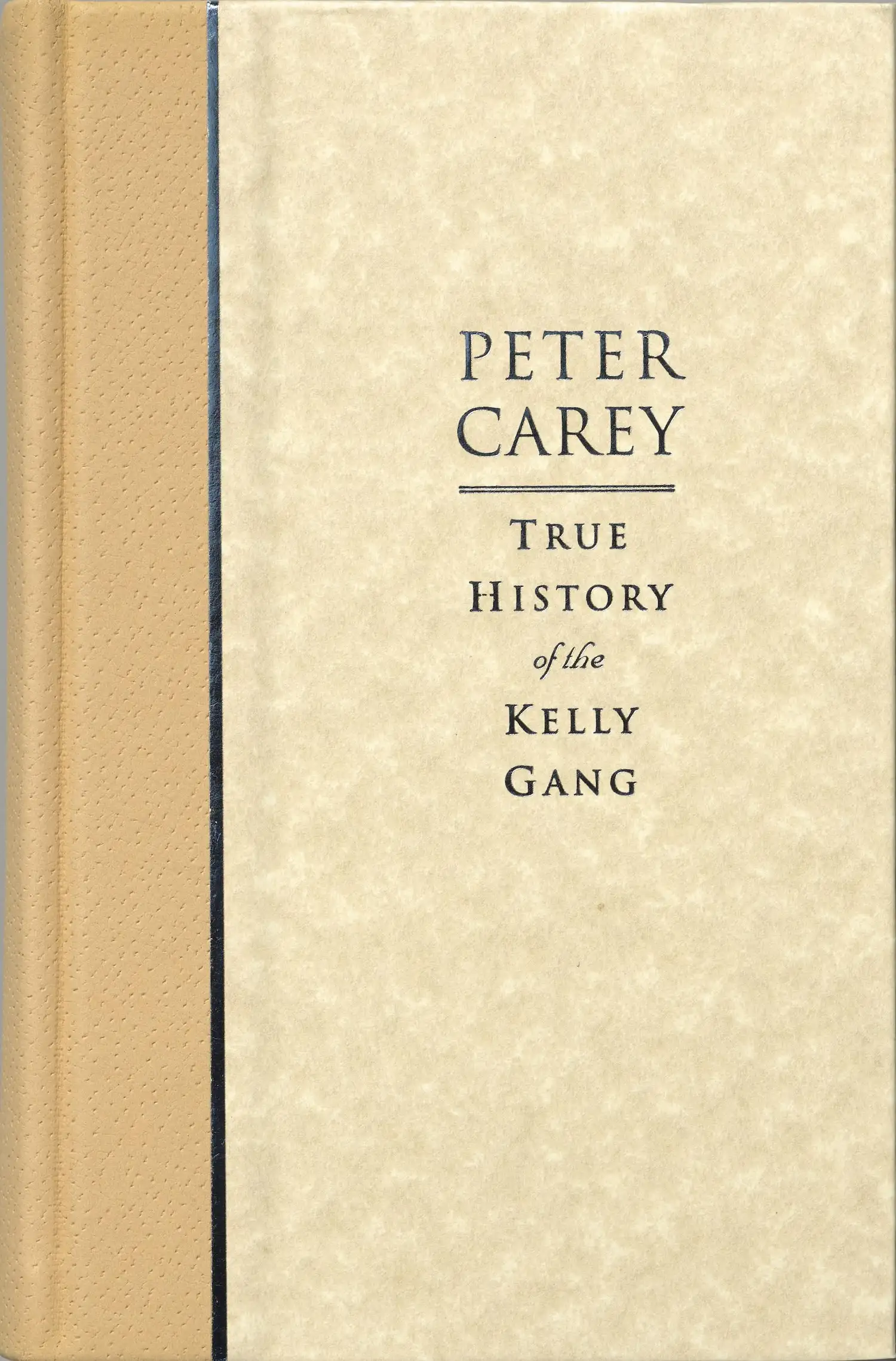
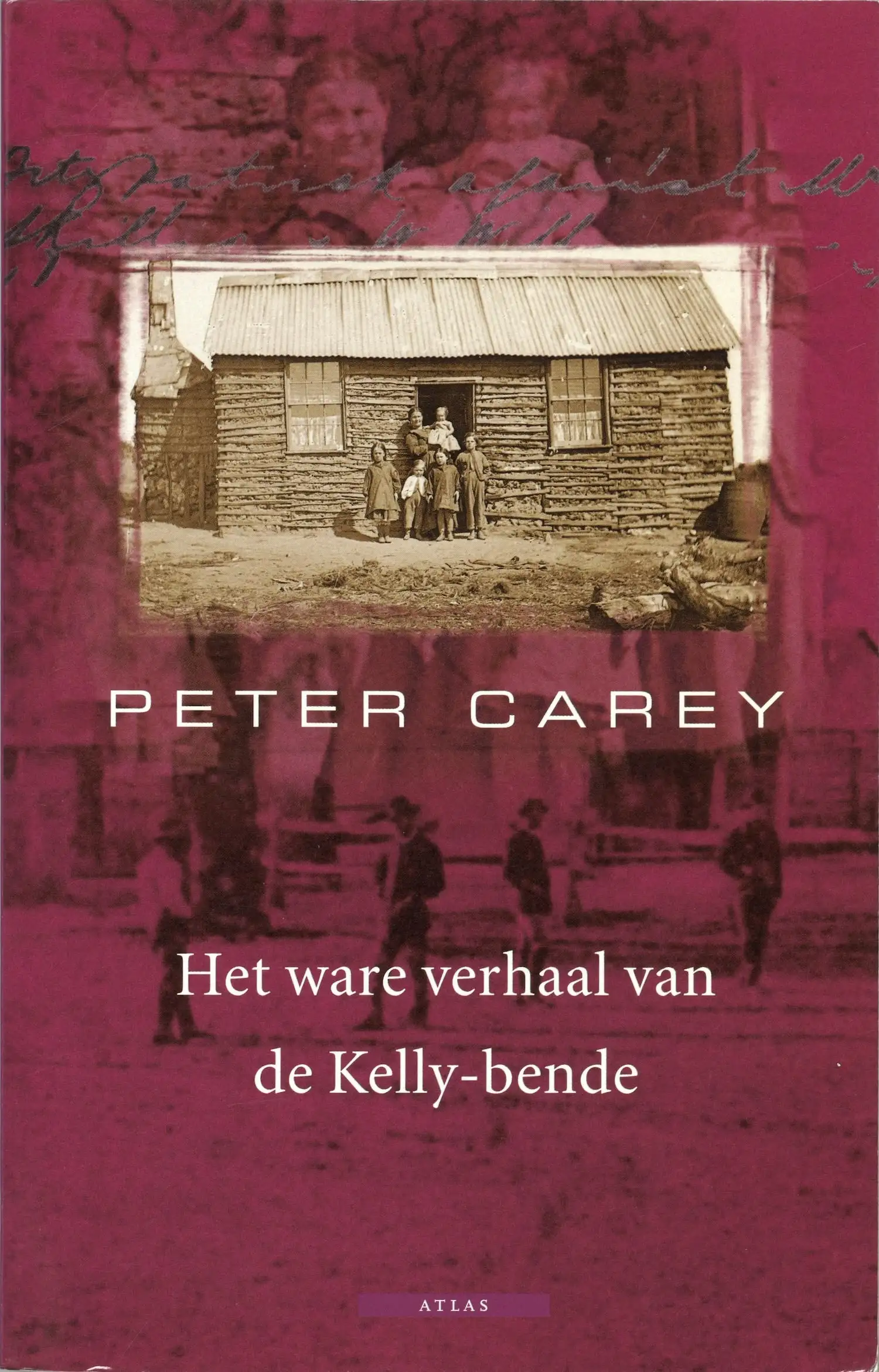
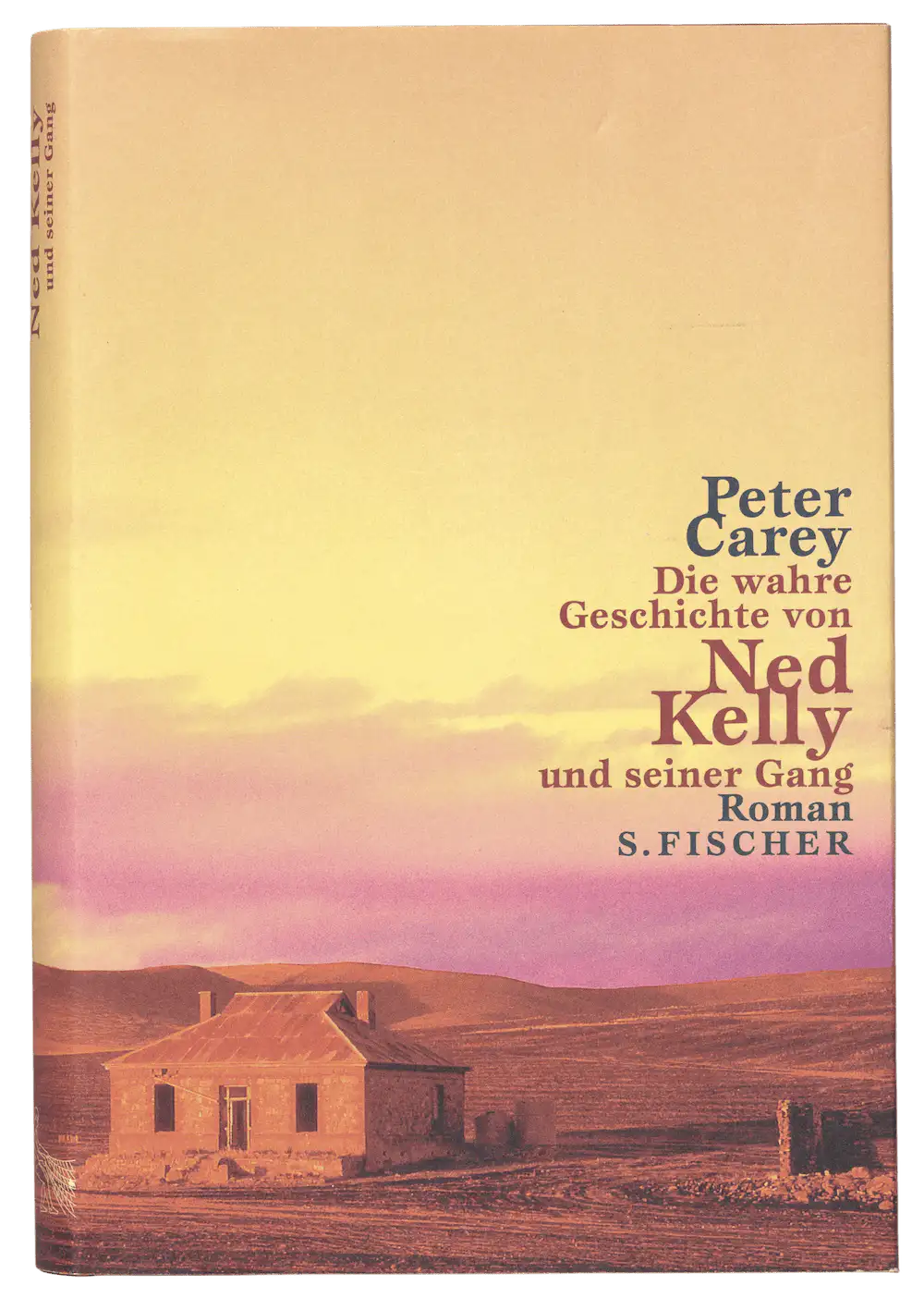
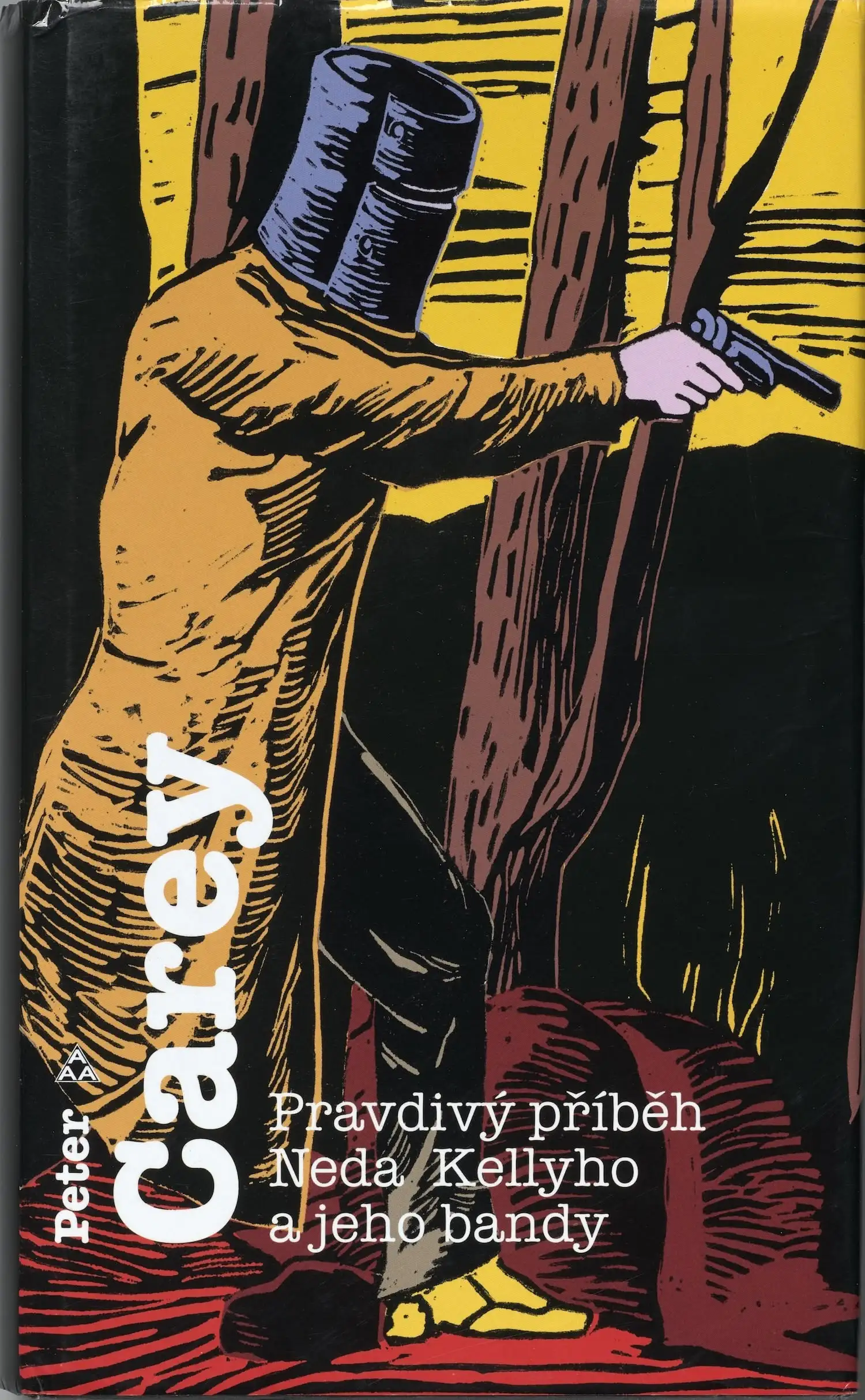
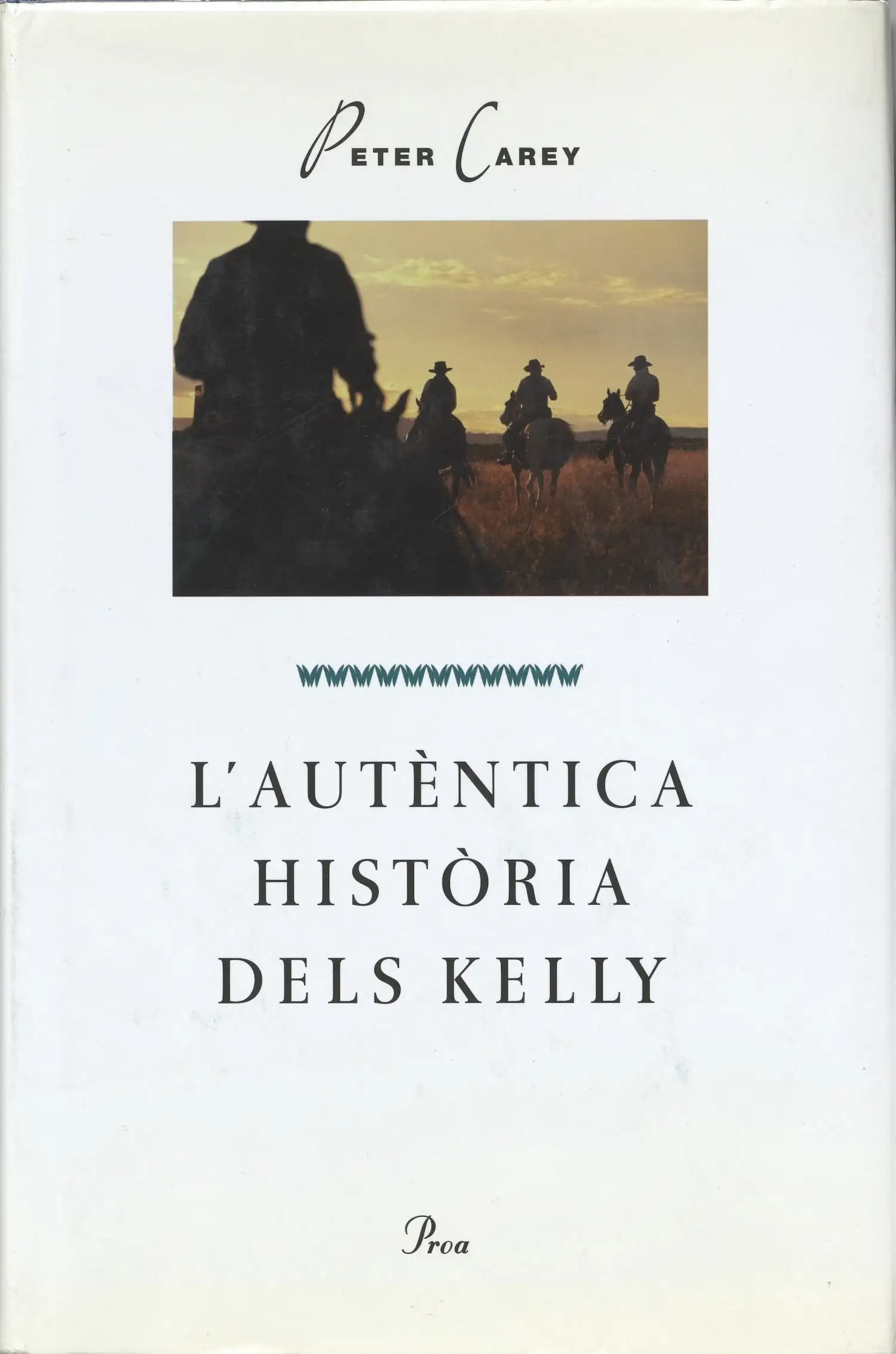
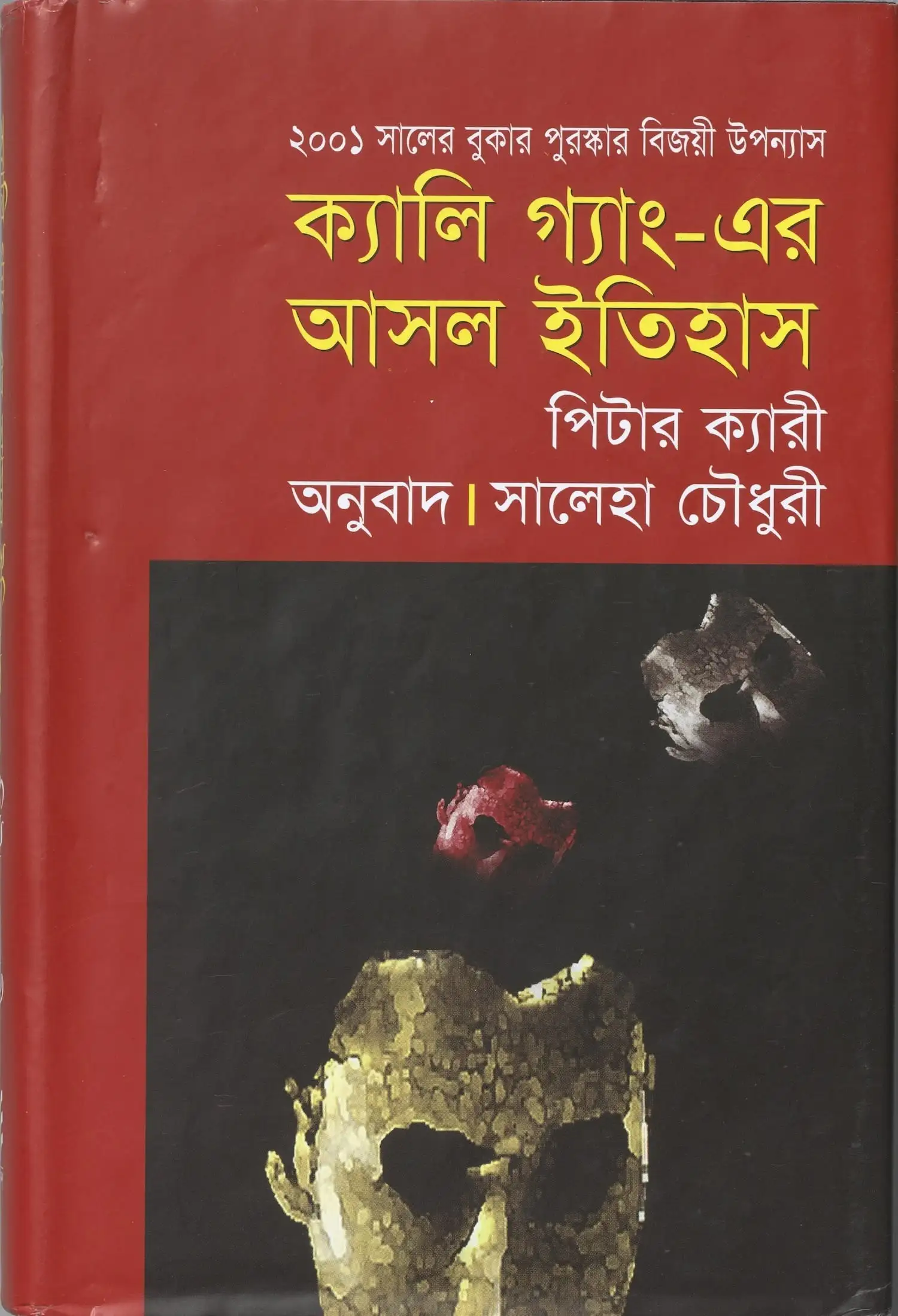
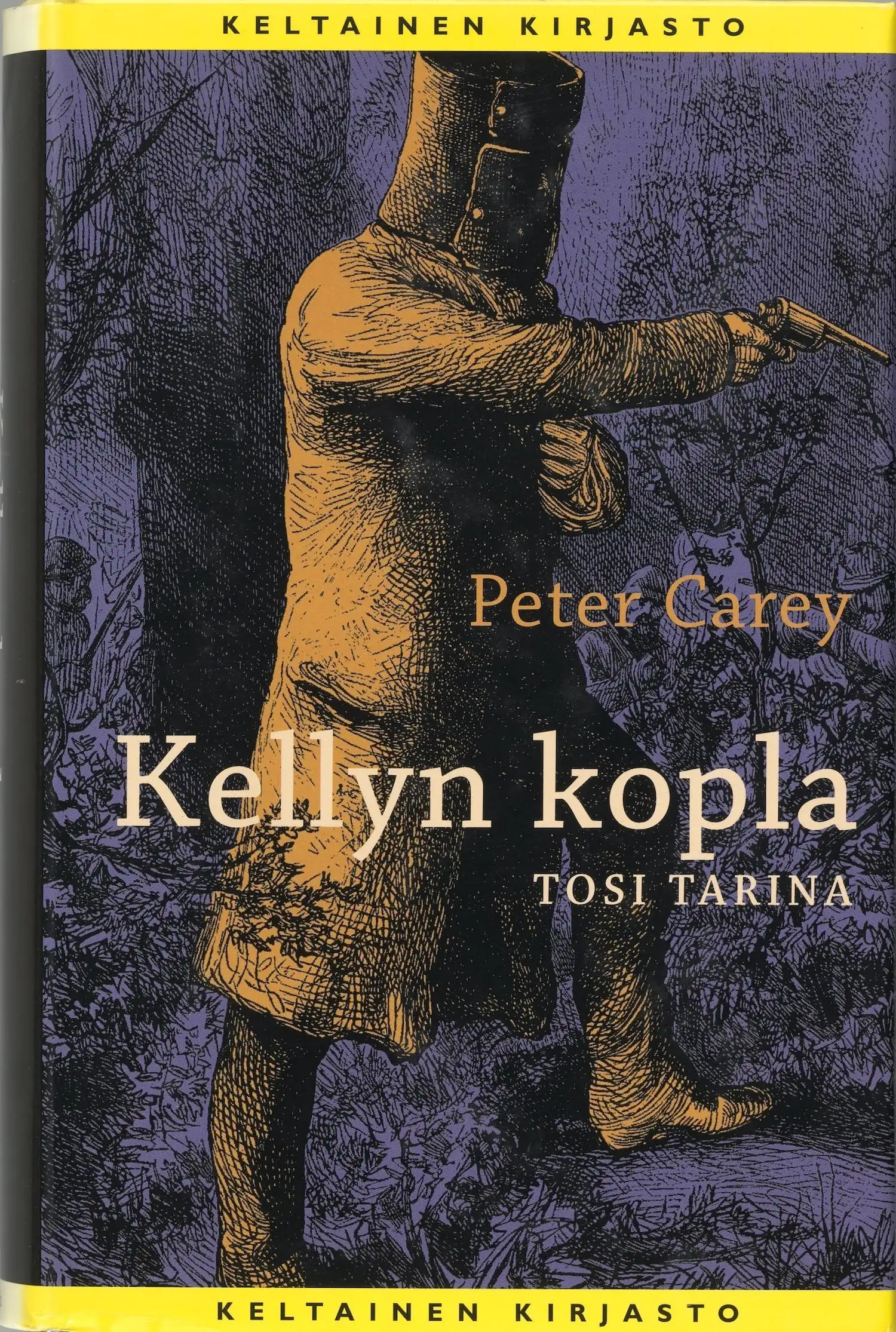
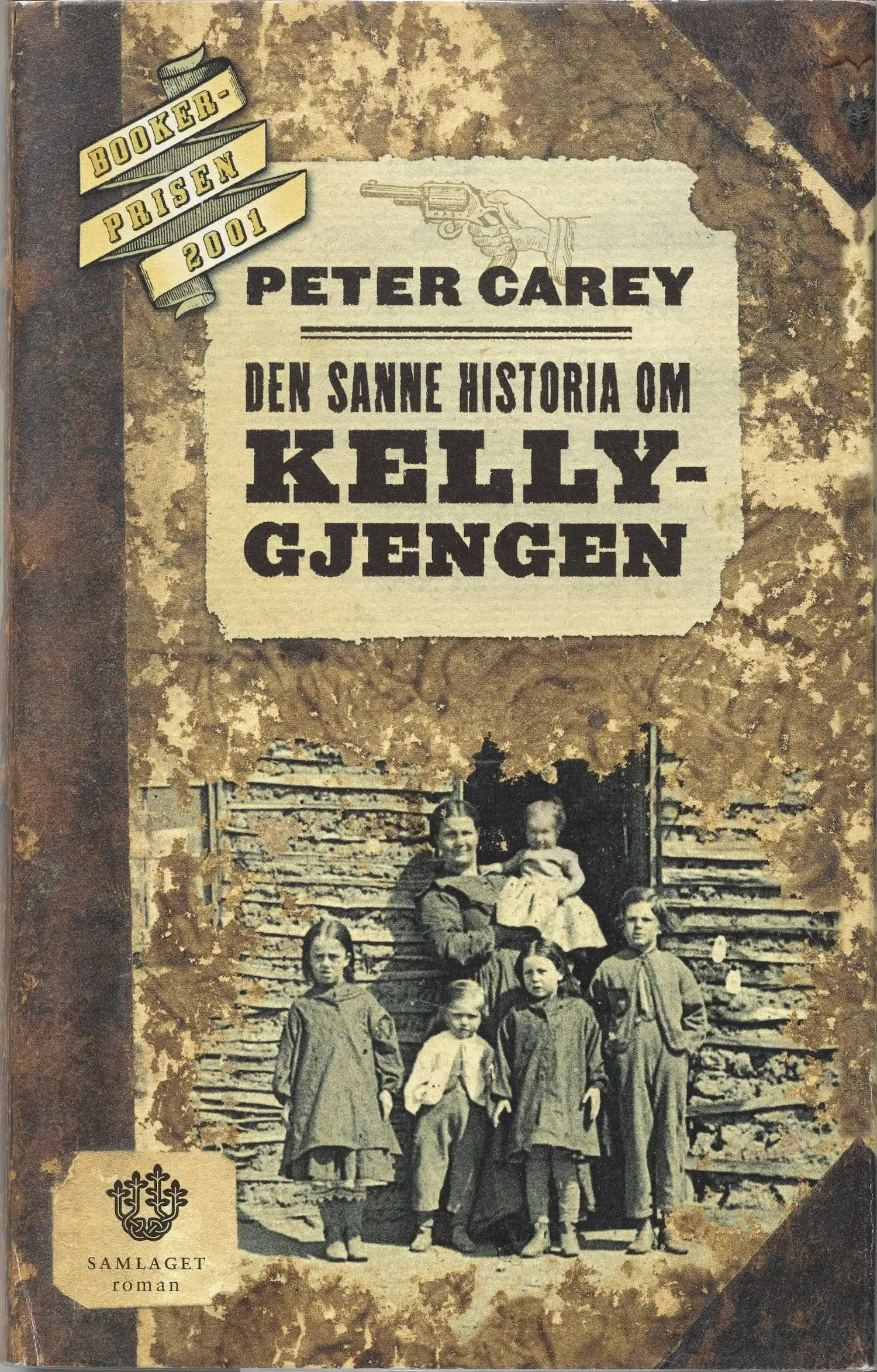
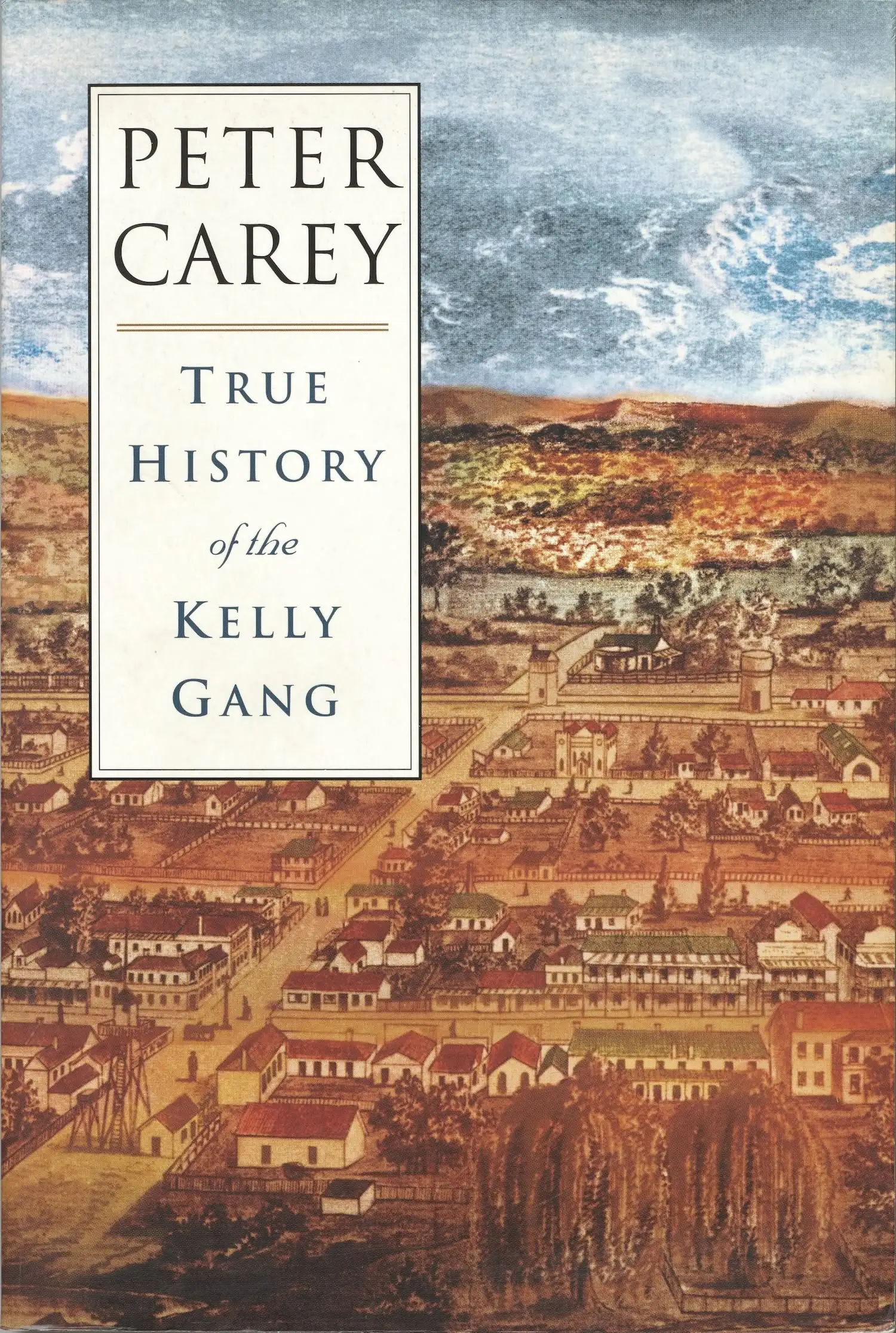
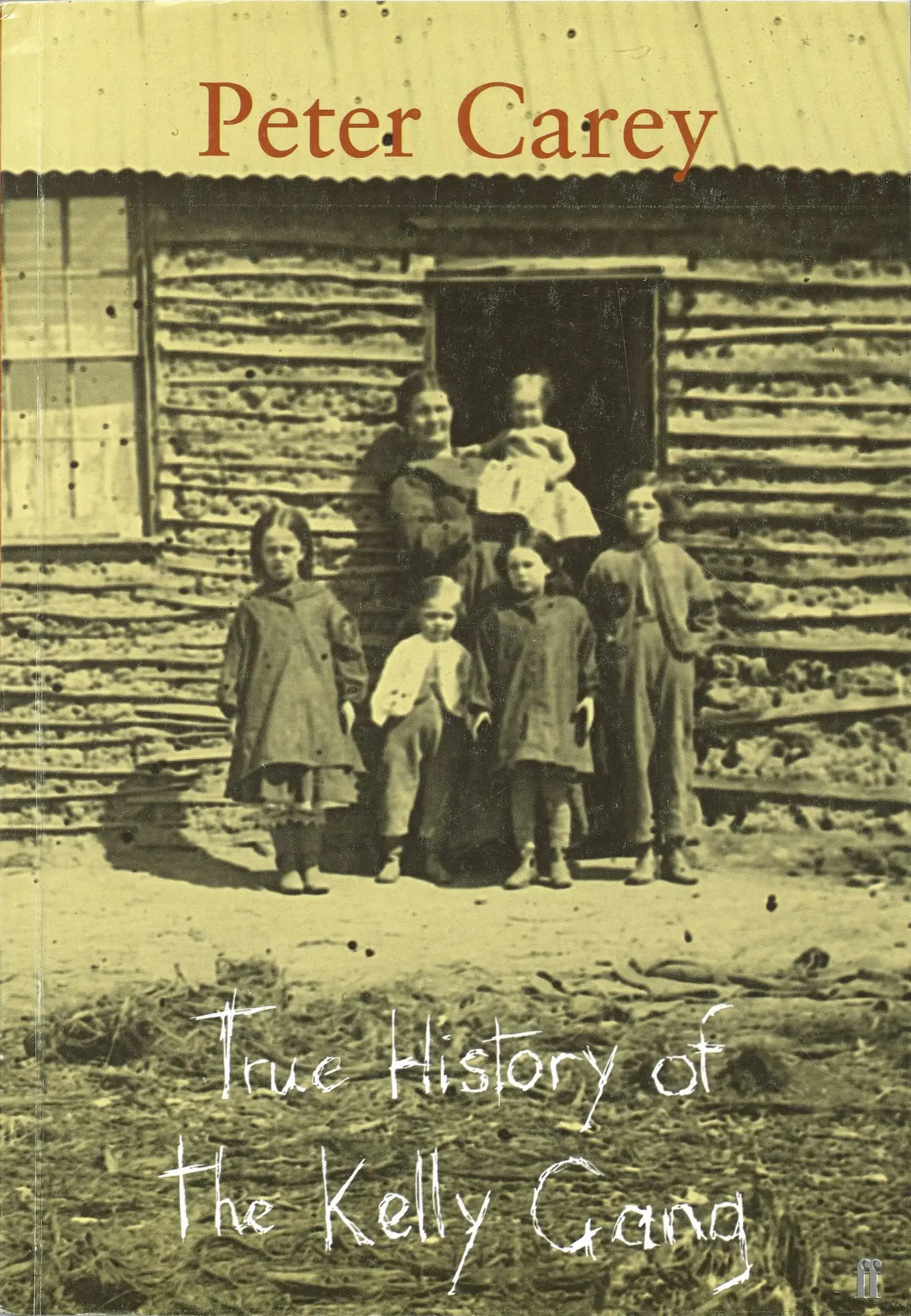
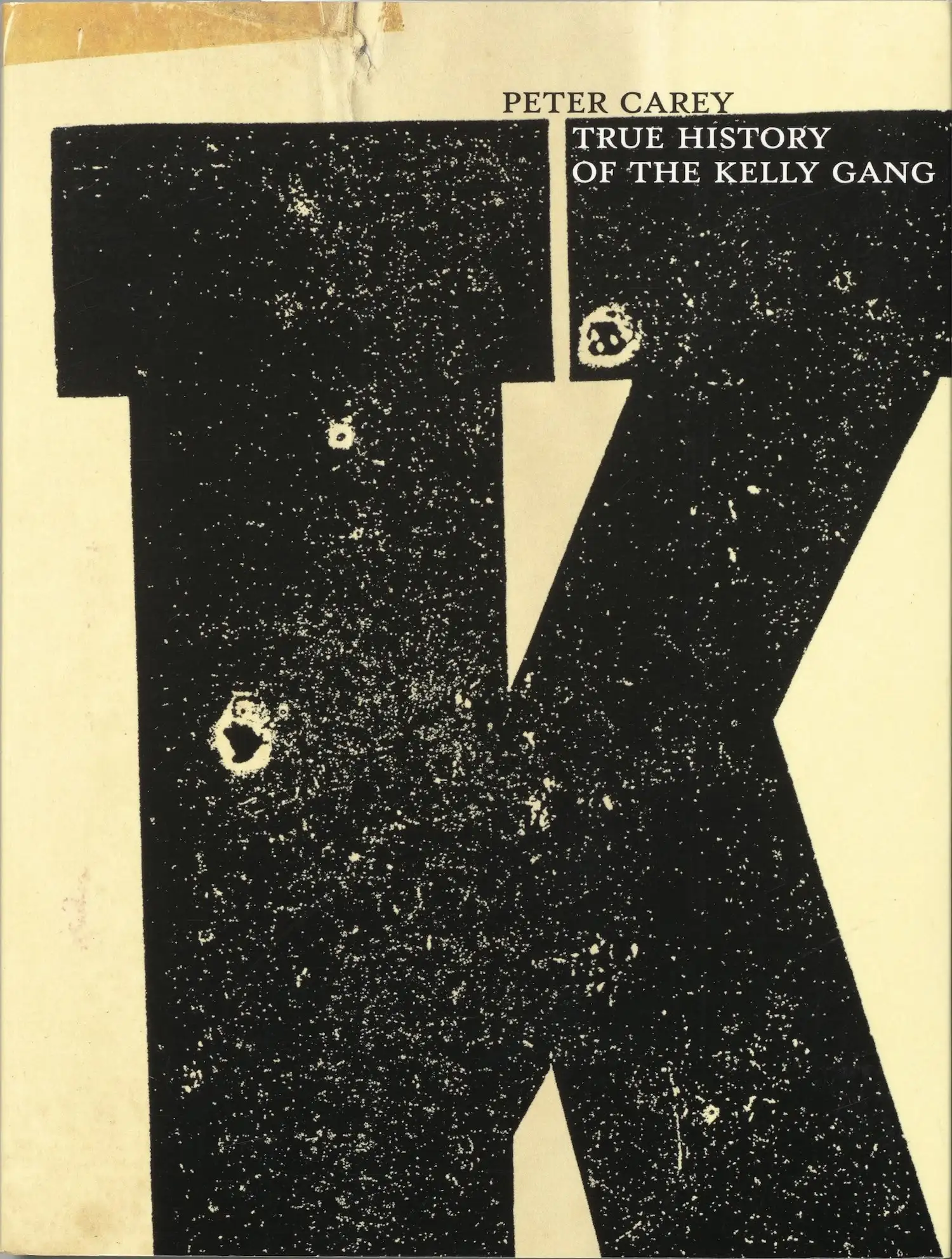
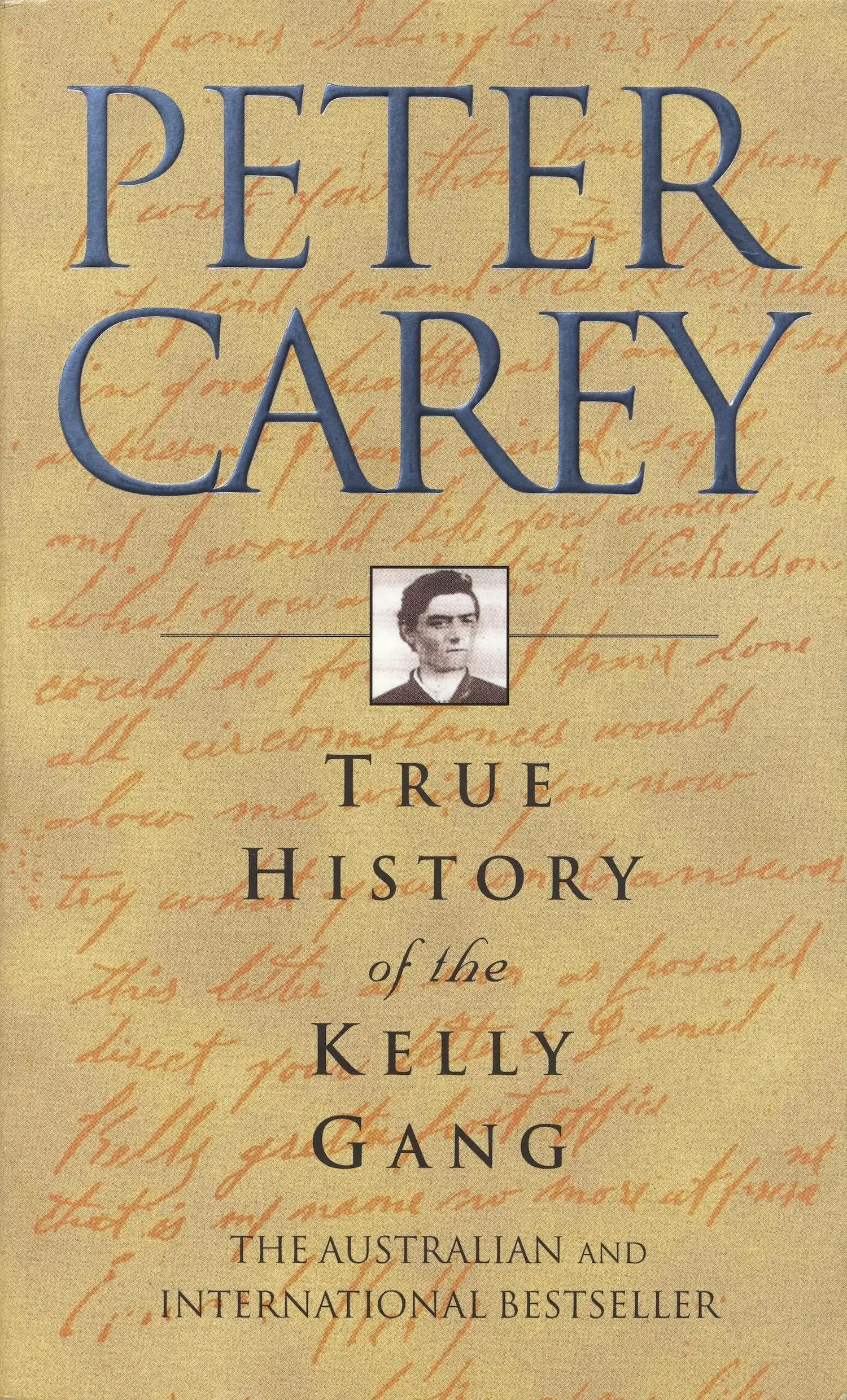
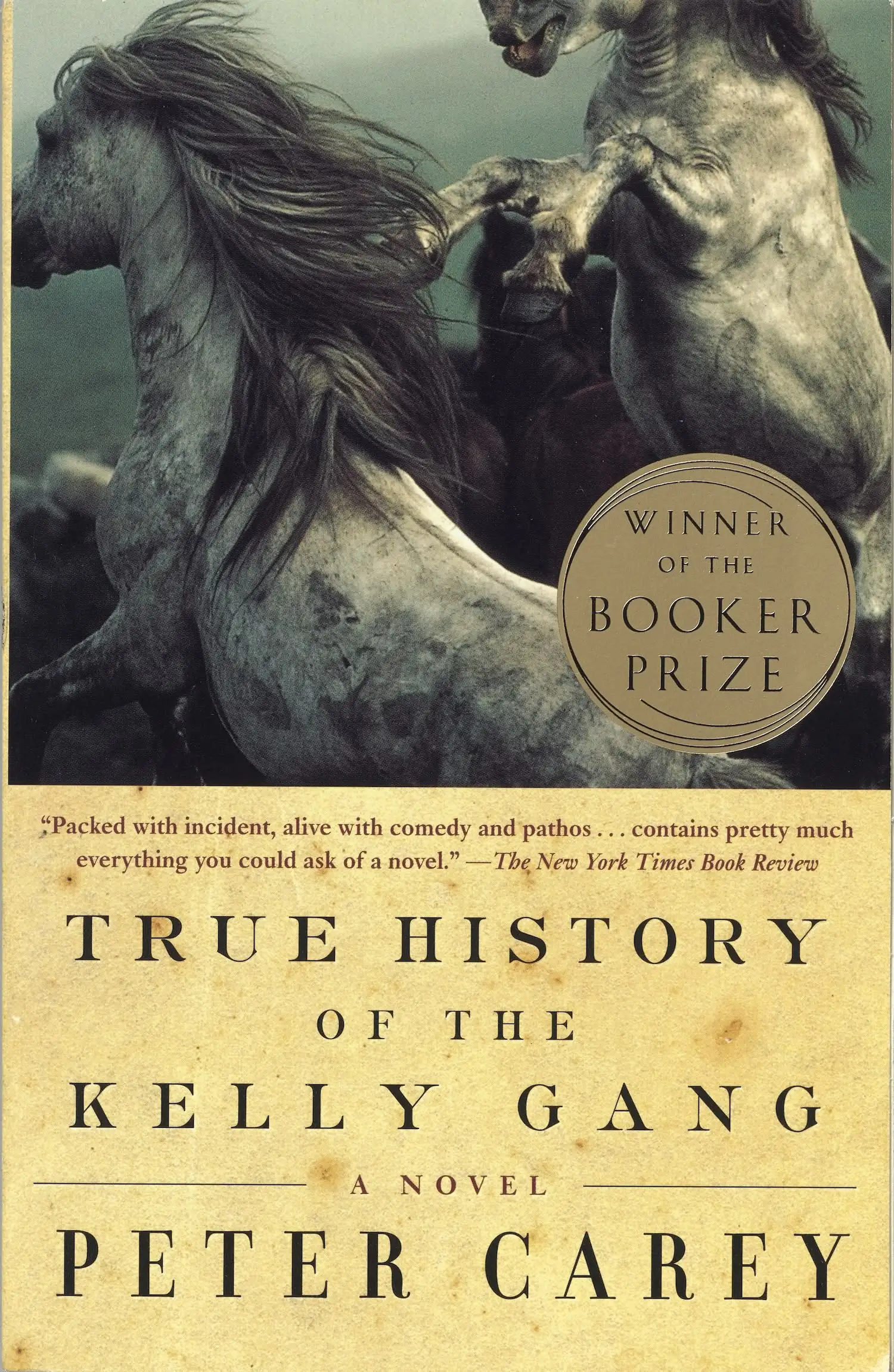
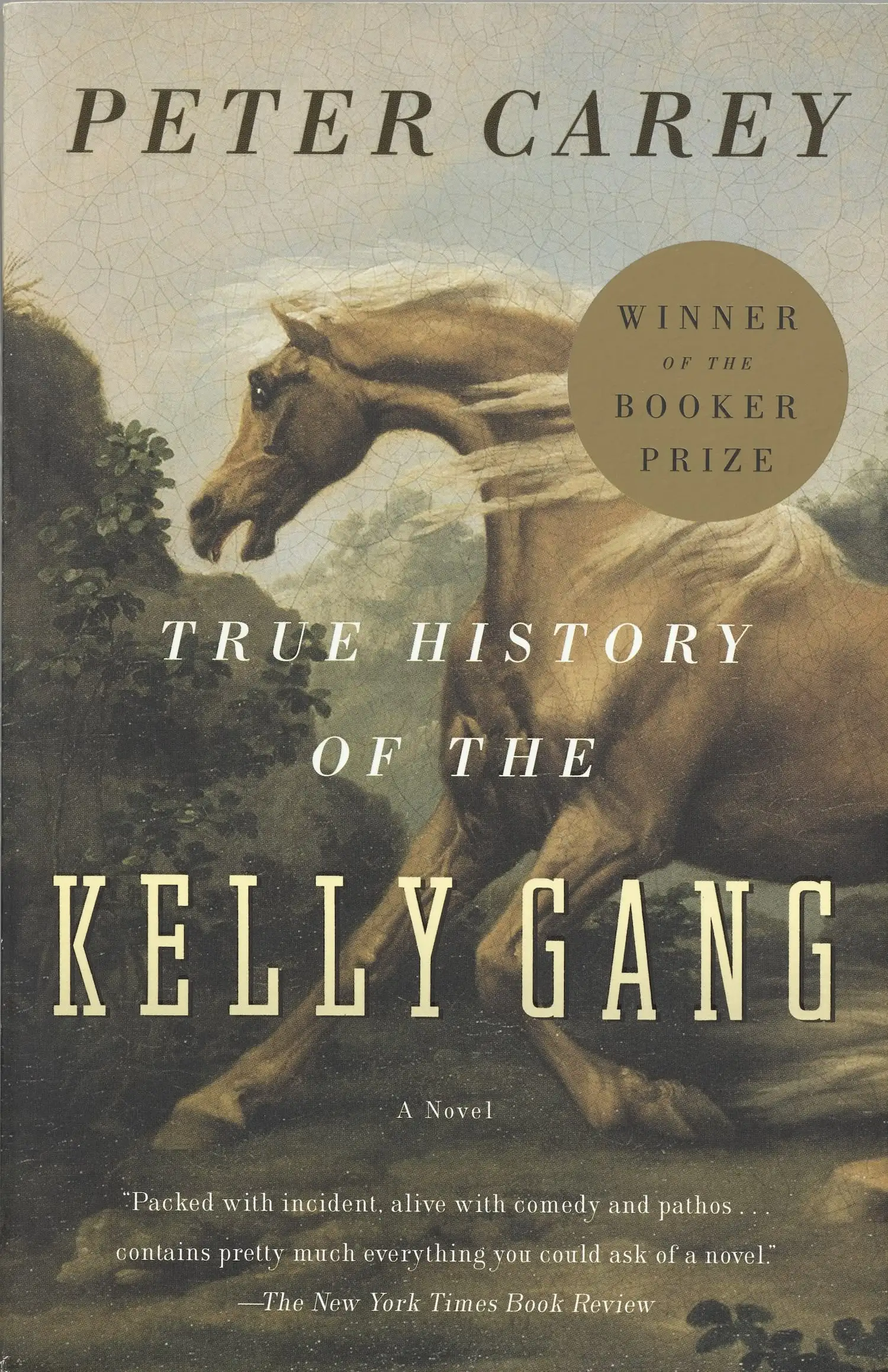
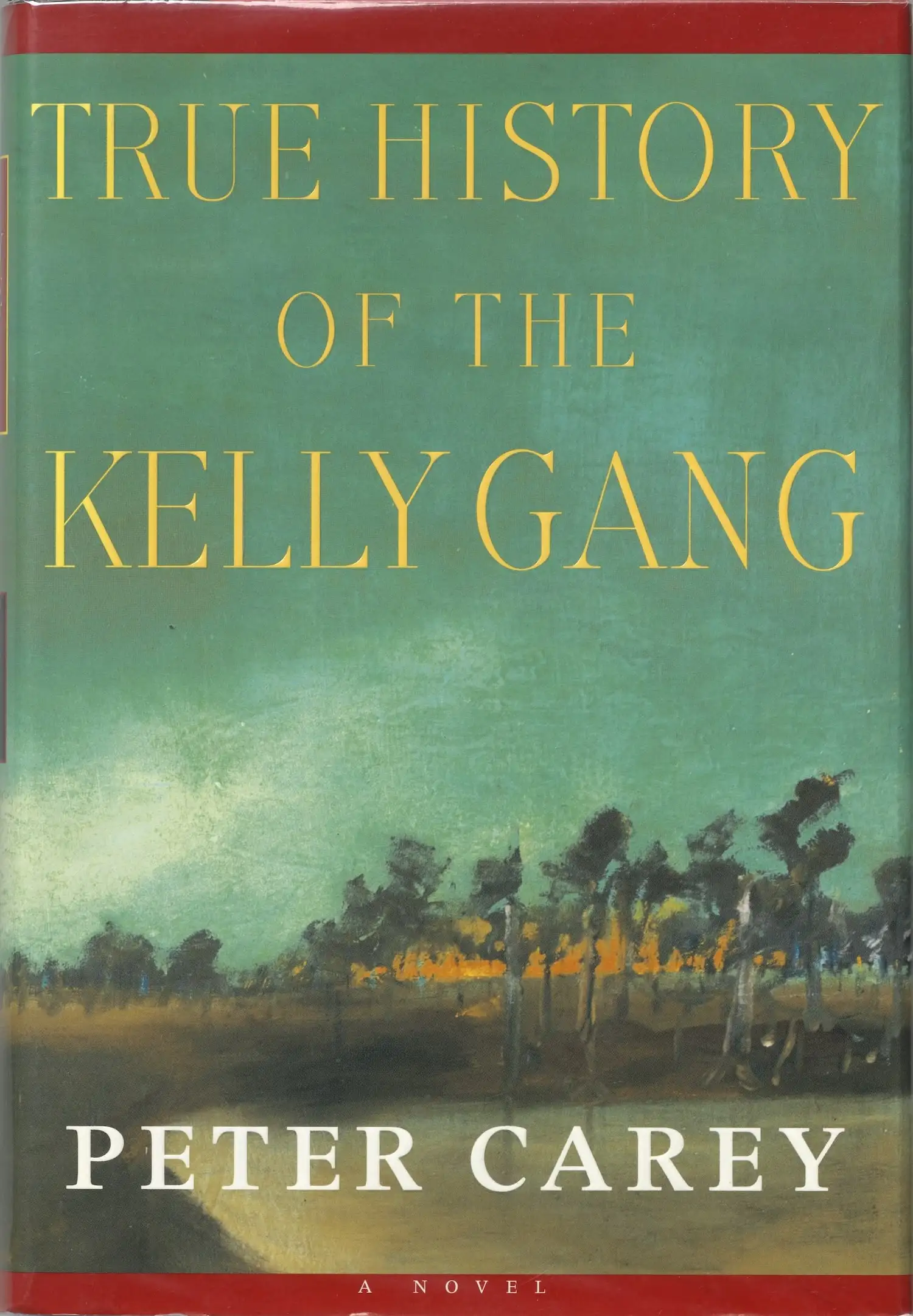
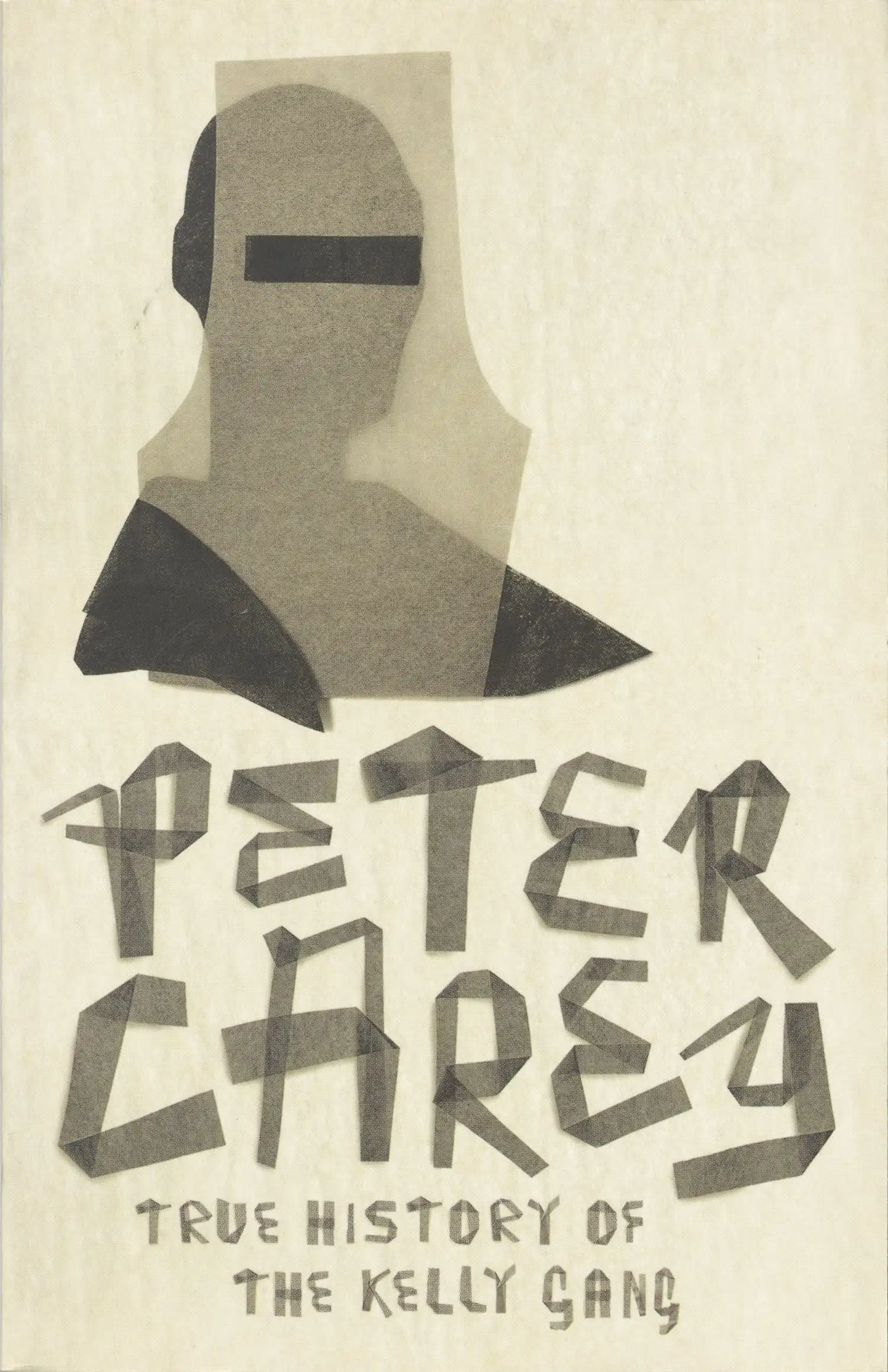
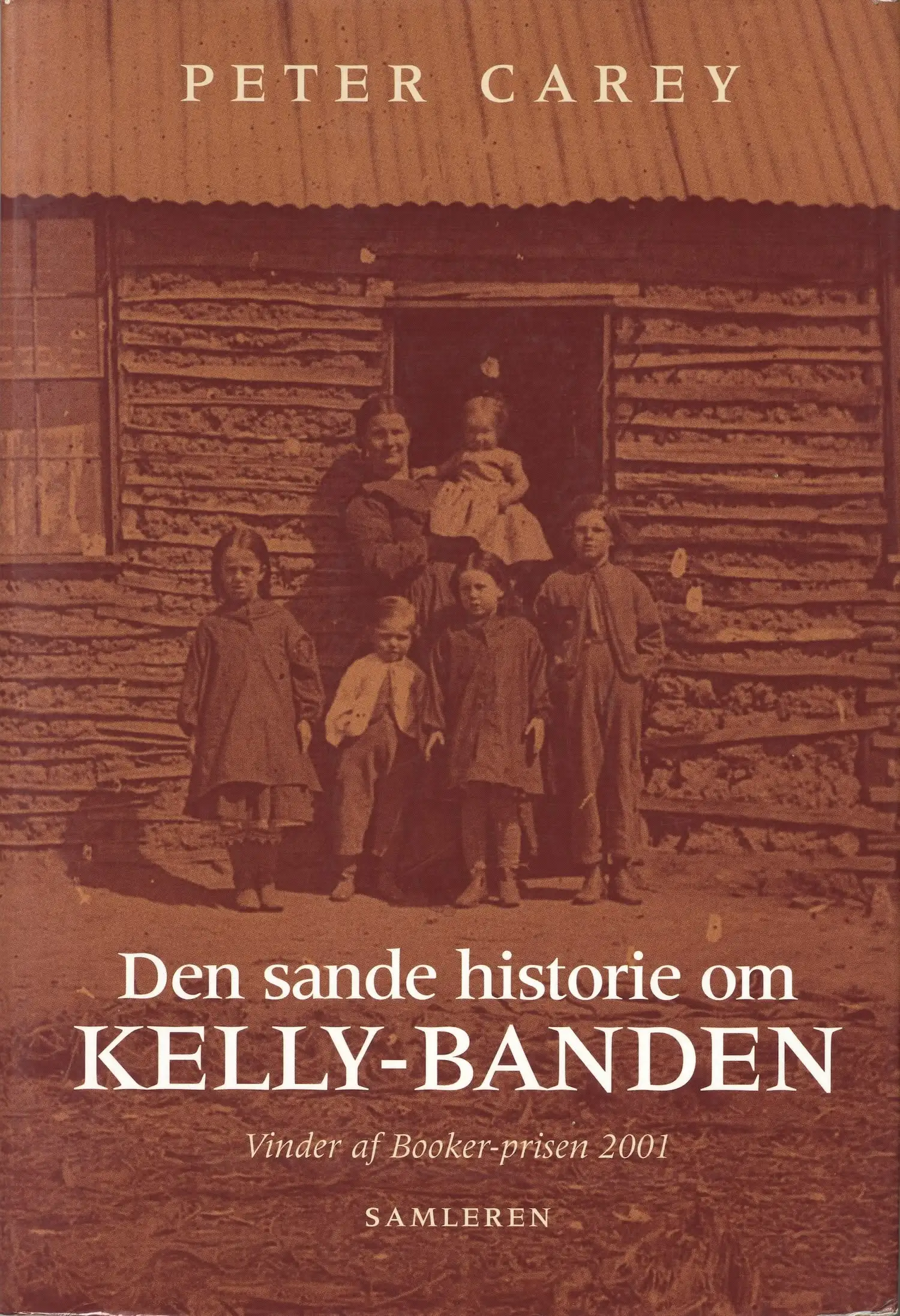
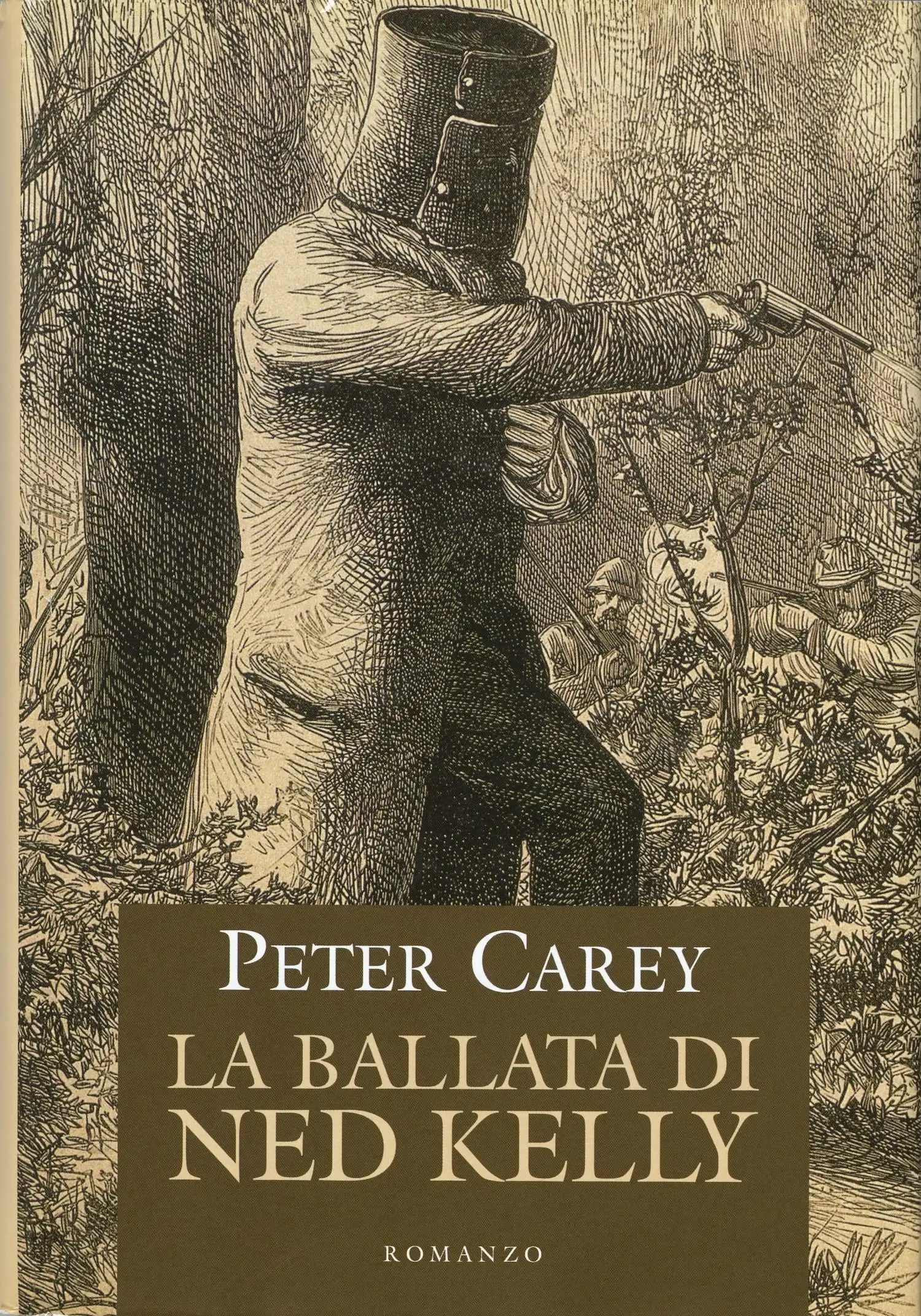
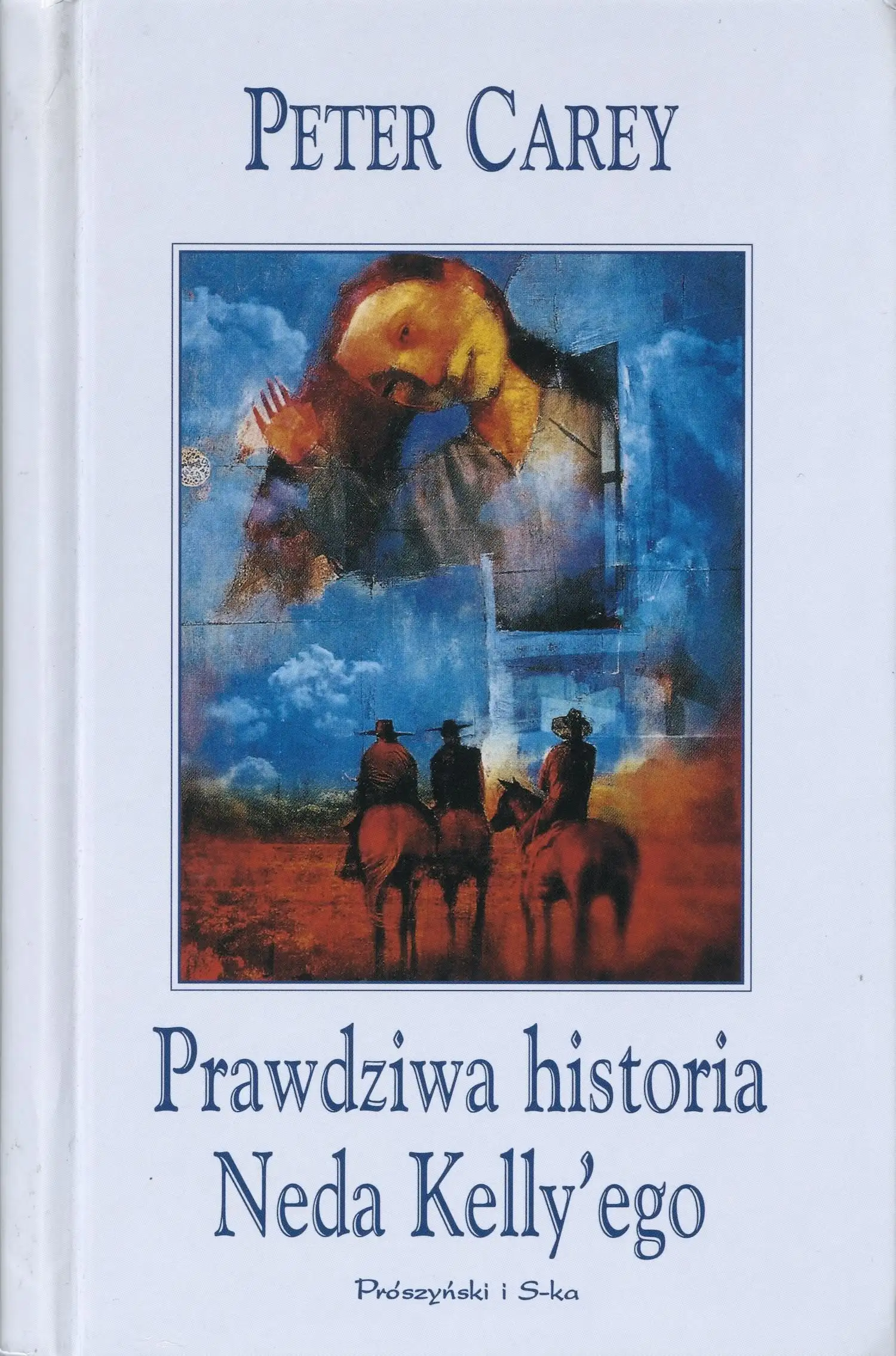
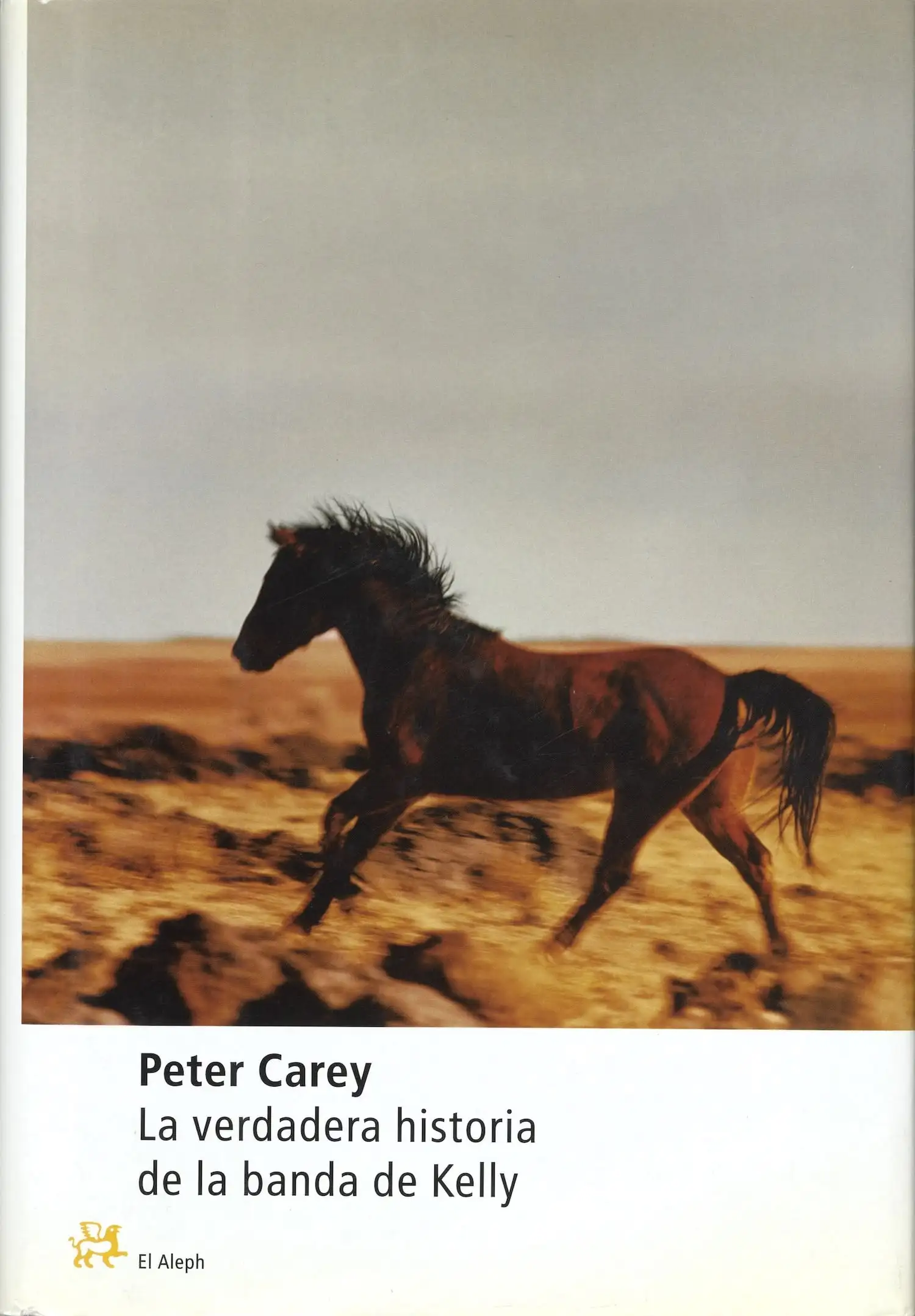
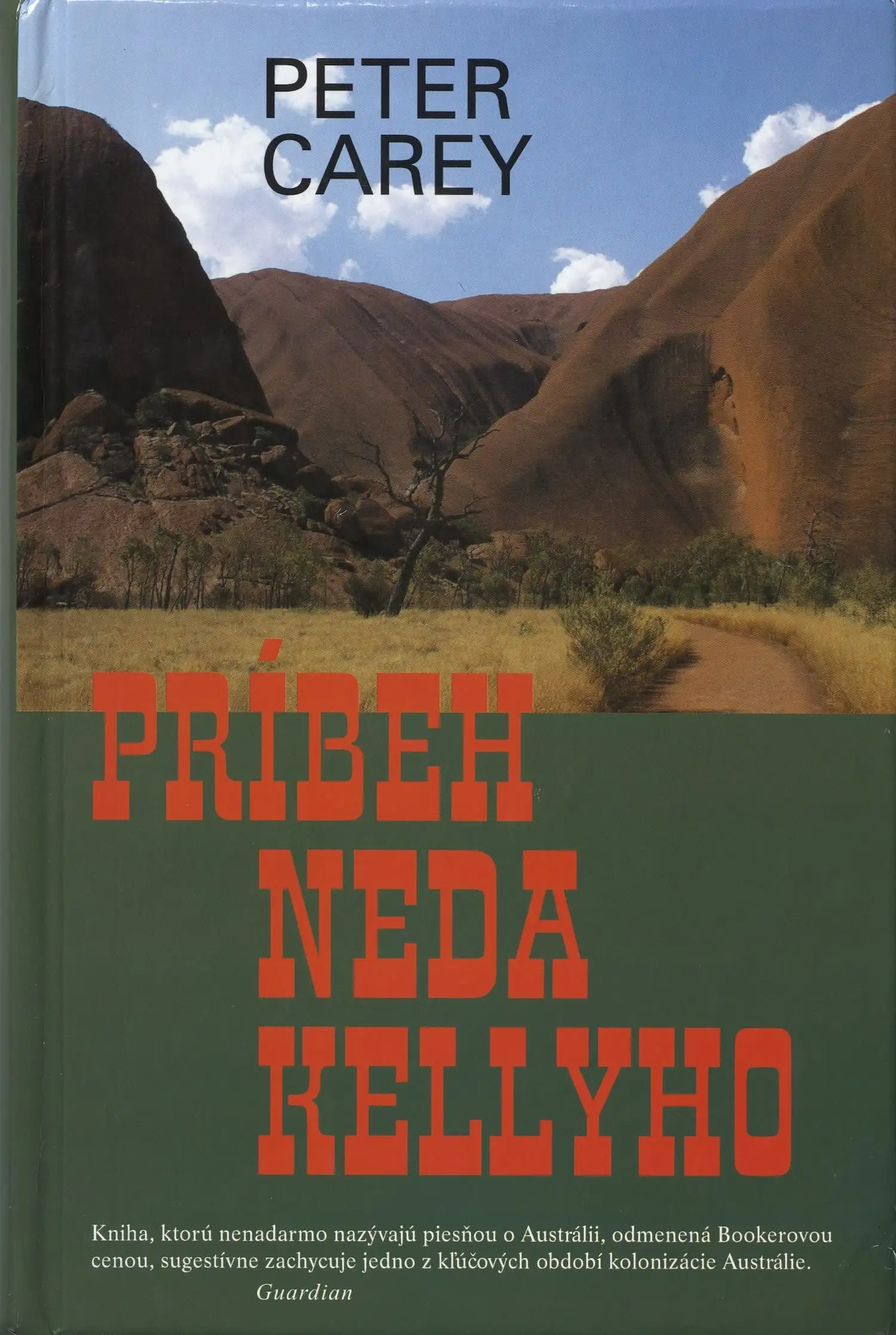
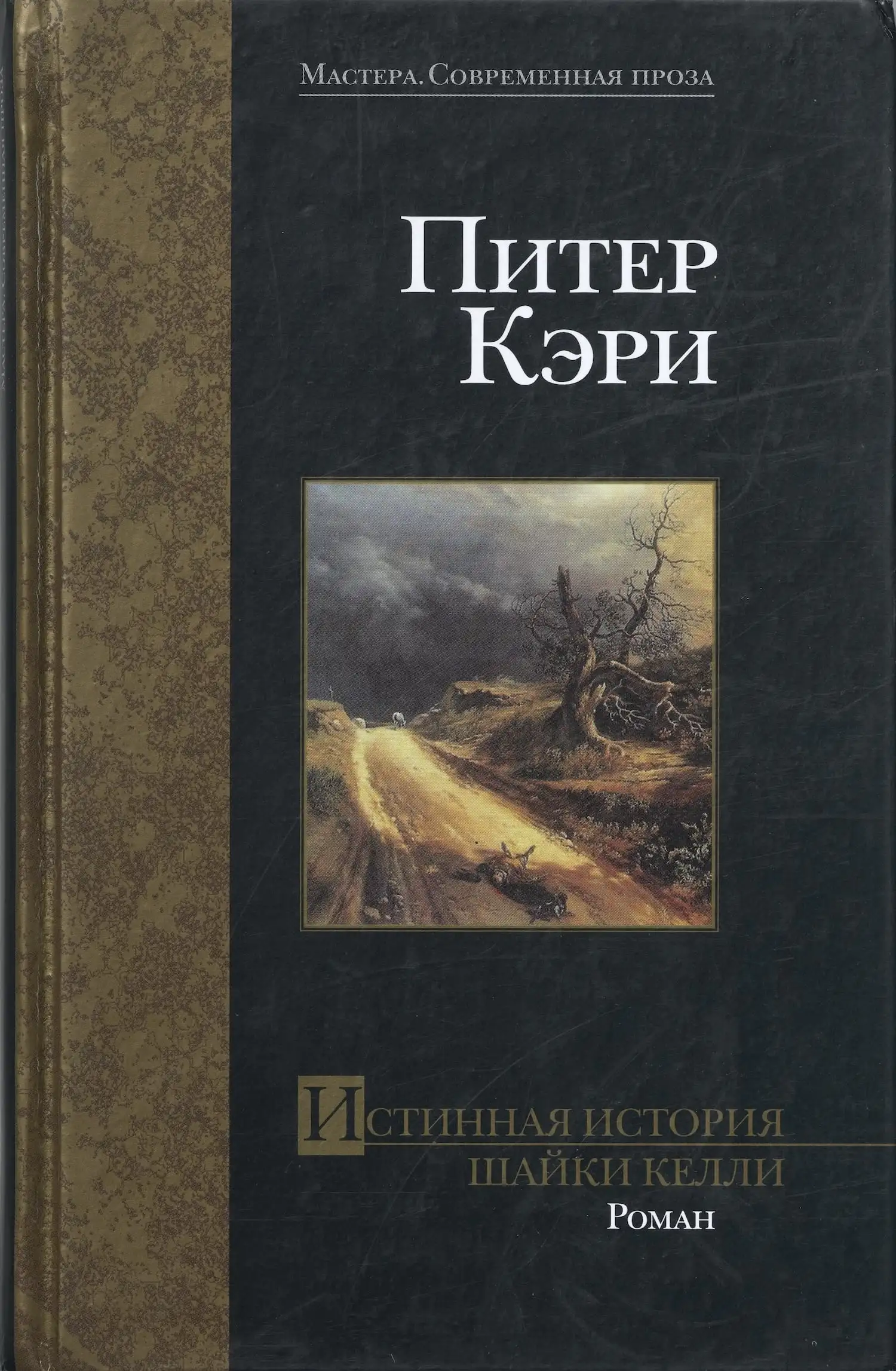
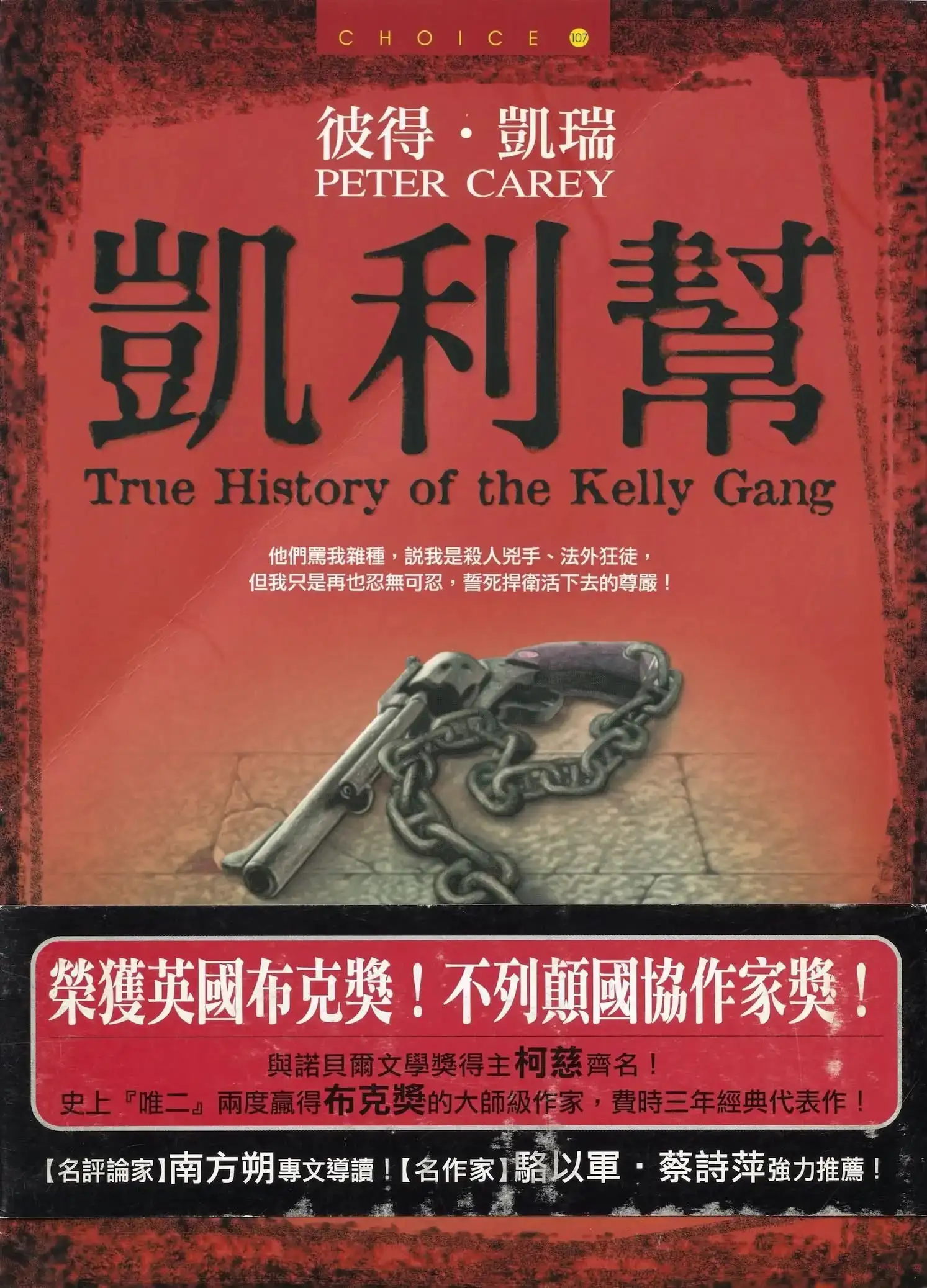
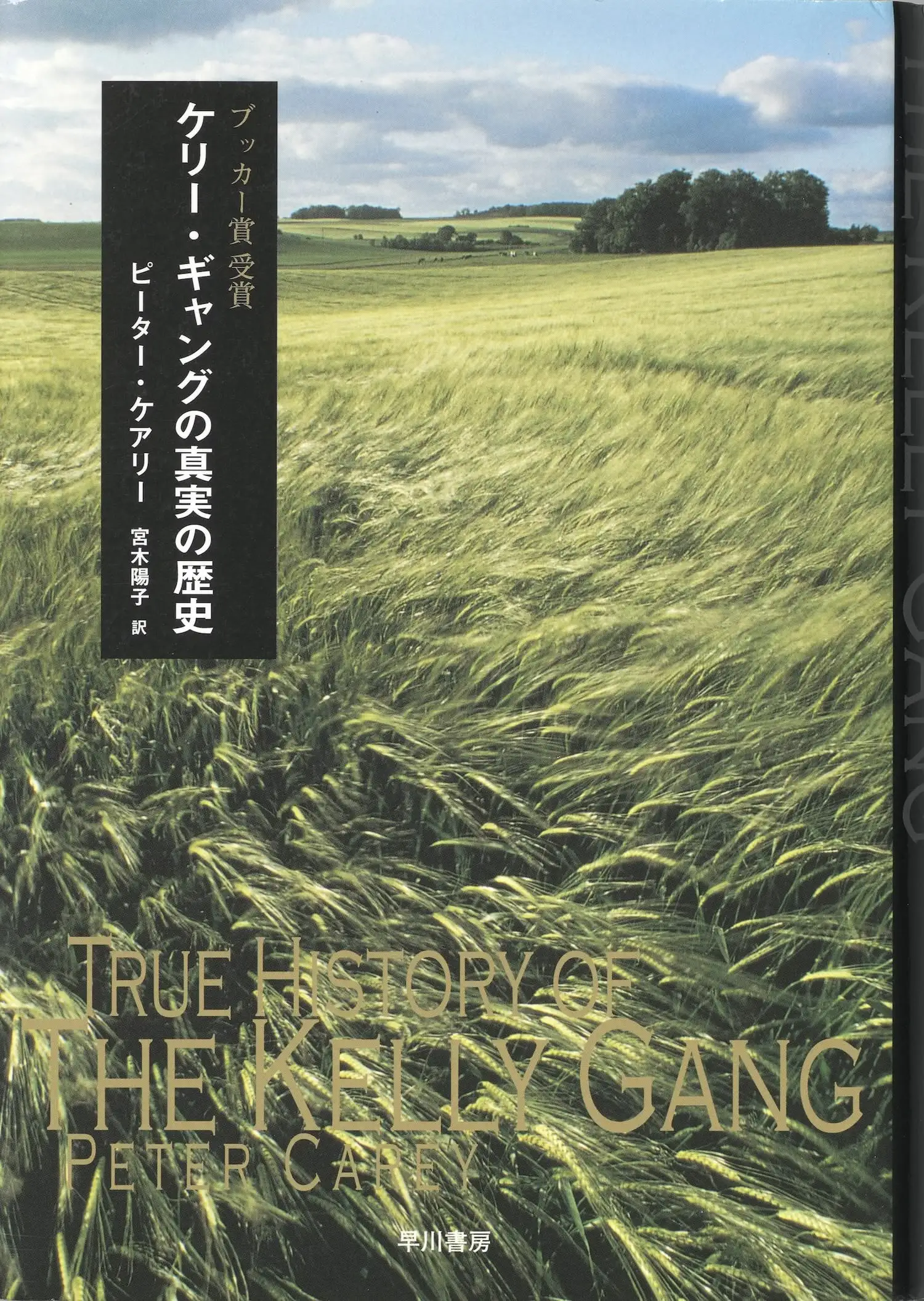
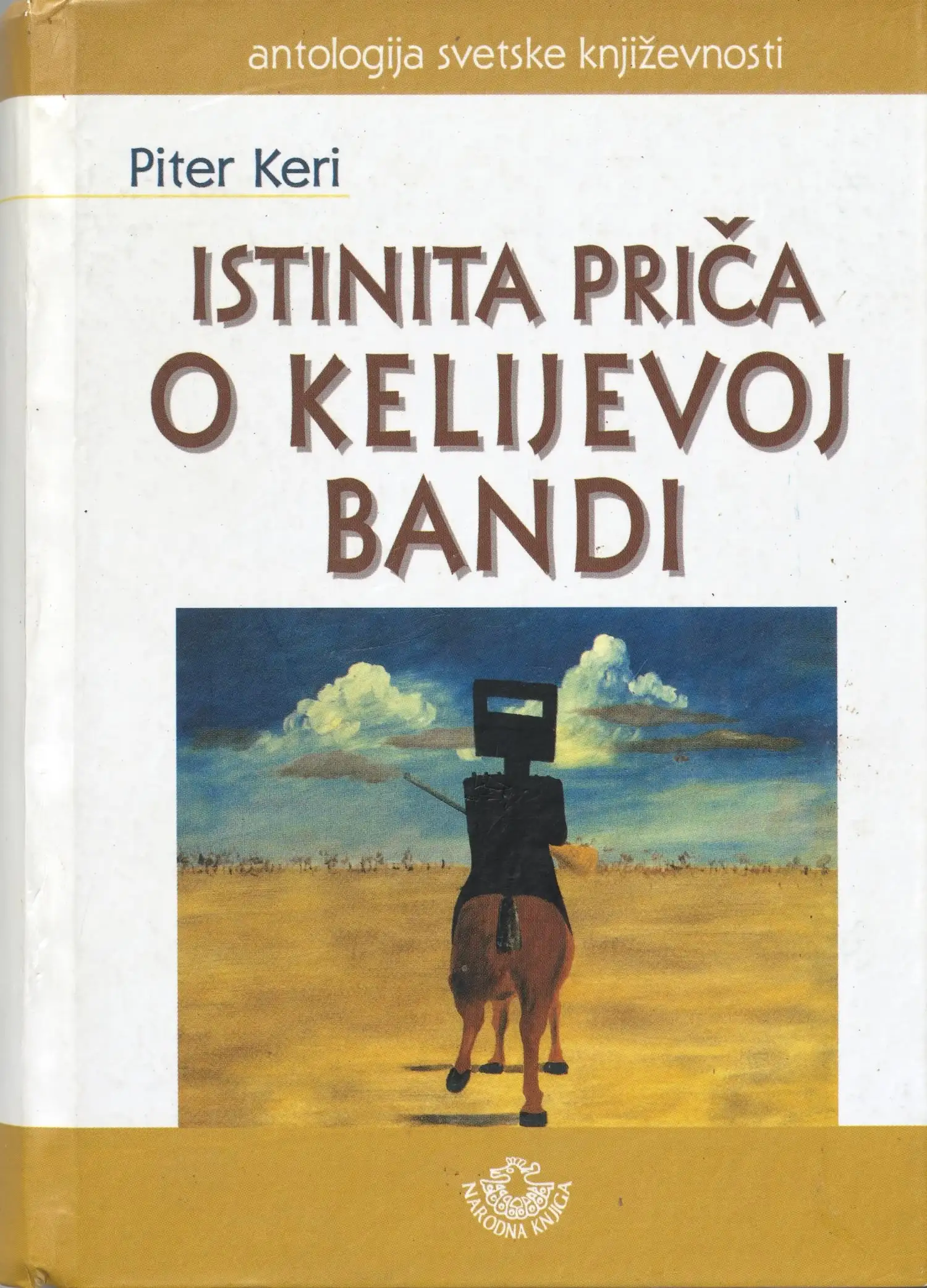
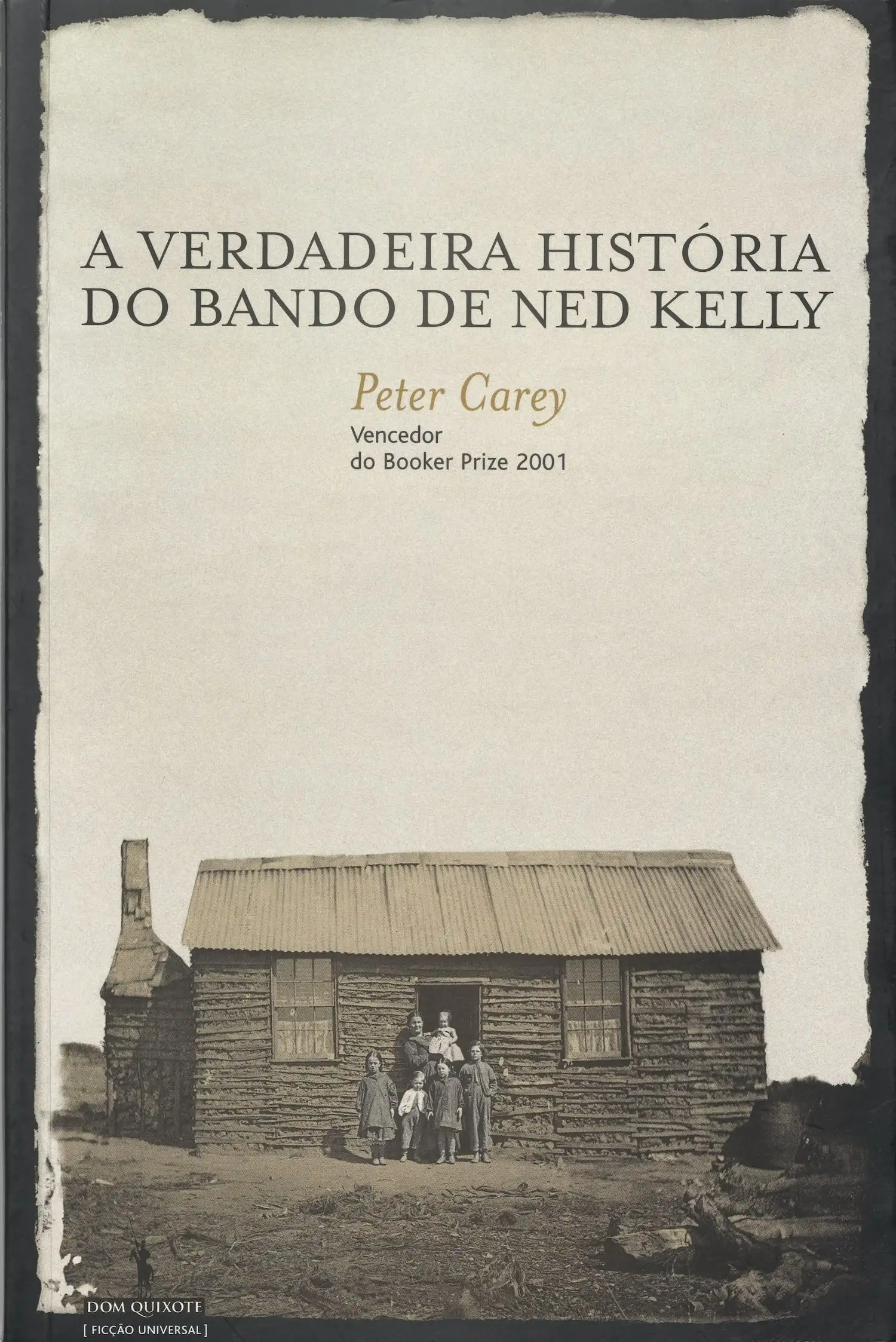
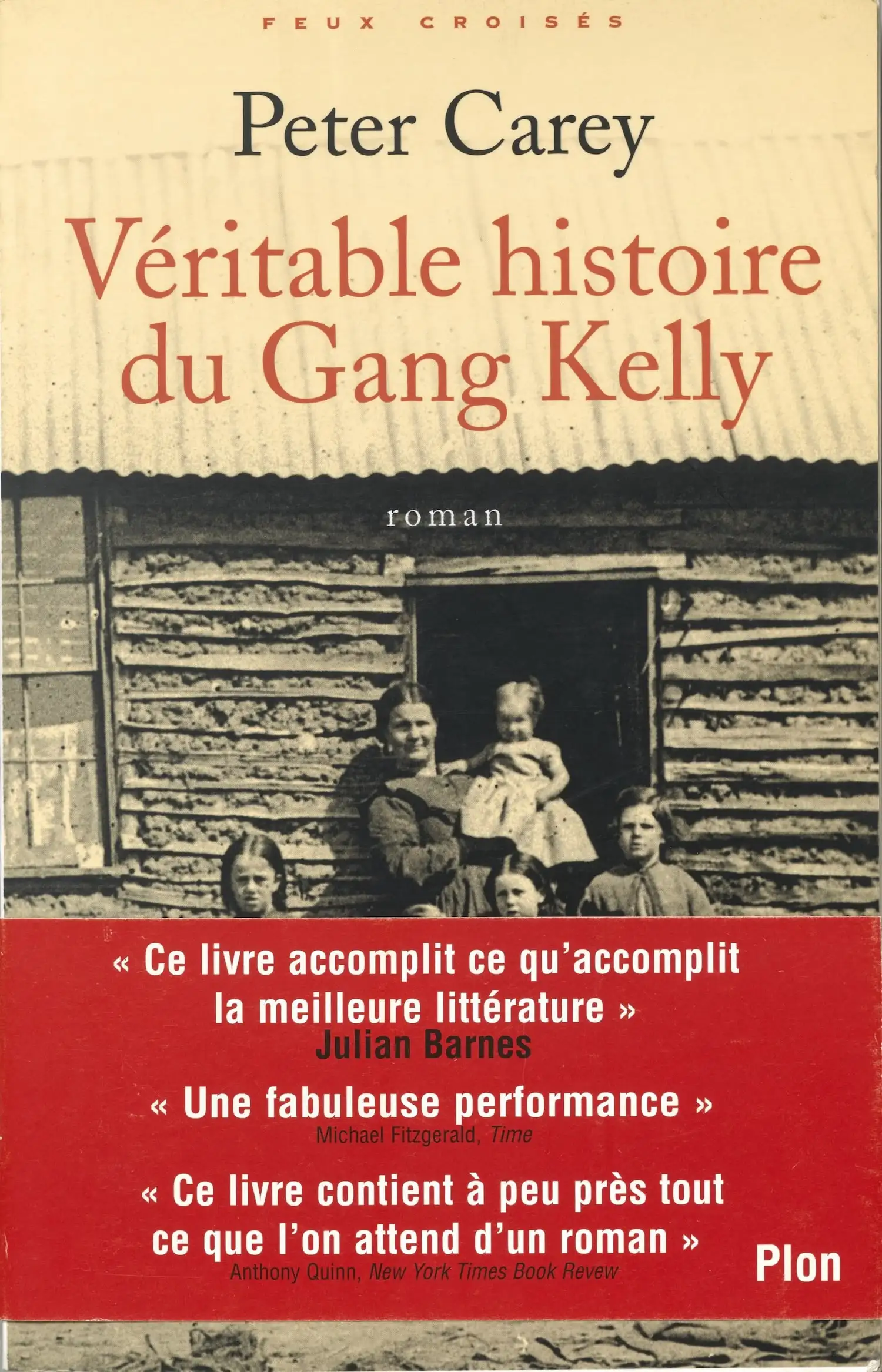
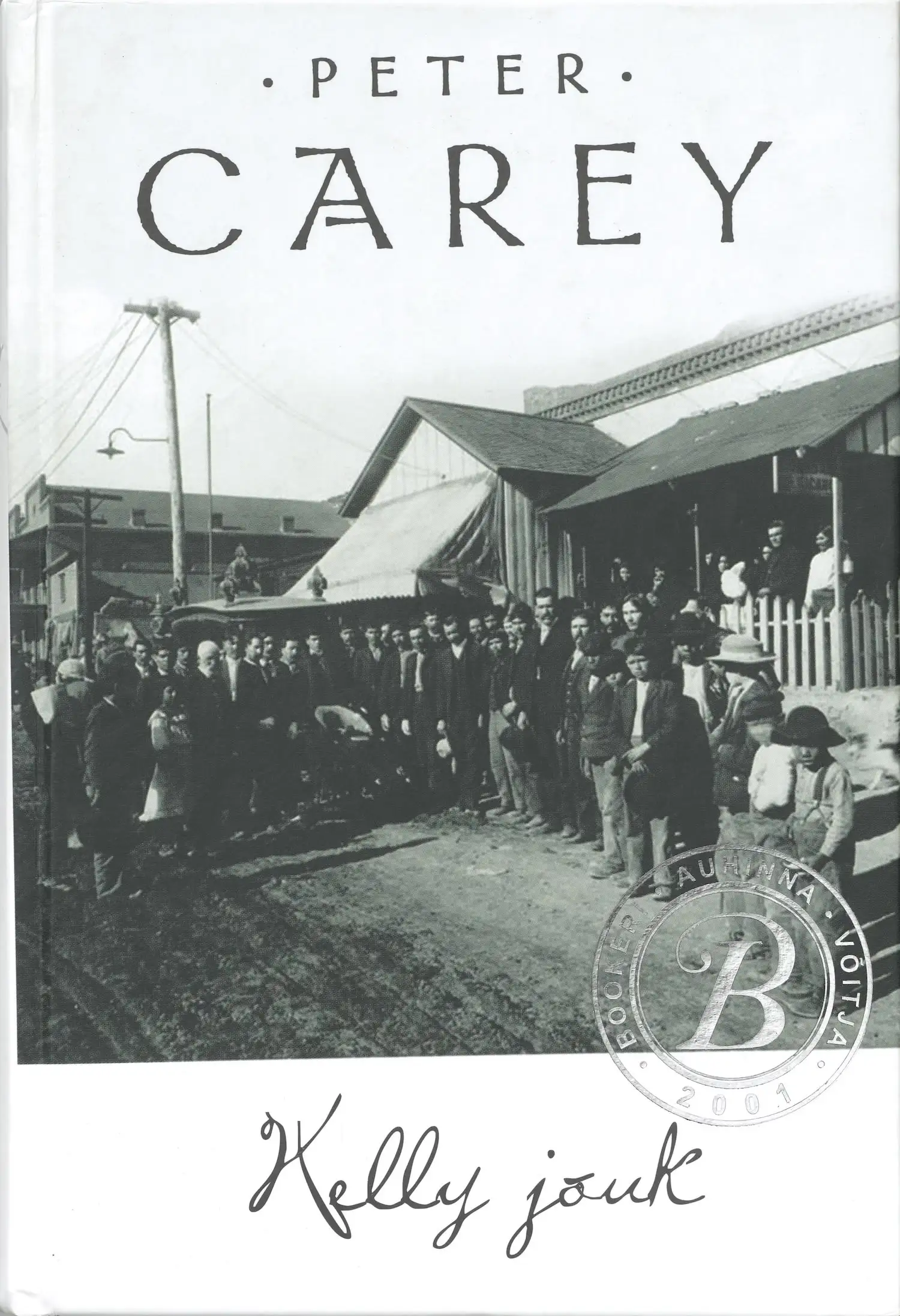
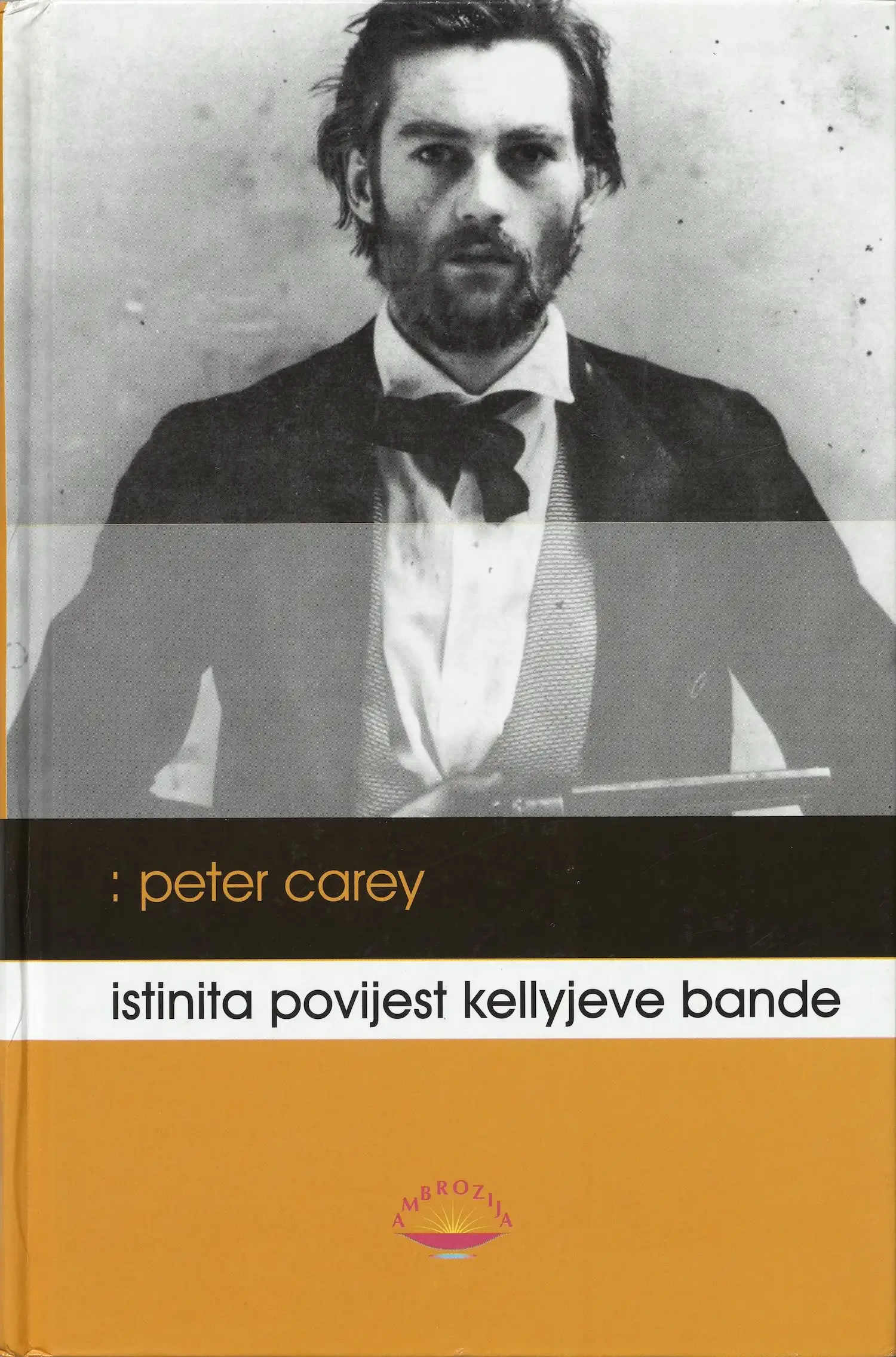
“Gary went out on a limb for that book, sold it to the sales force, the booksellers, and anyone else who would listen to him. Finally I knew what writers mean when they say they were ‘well published’.”
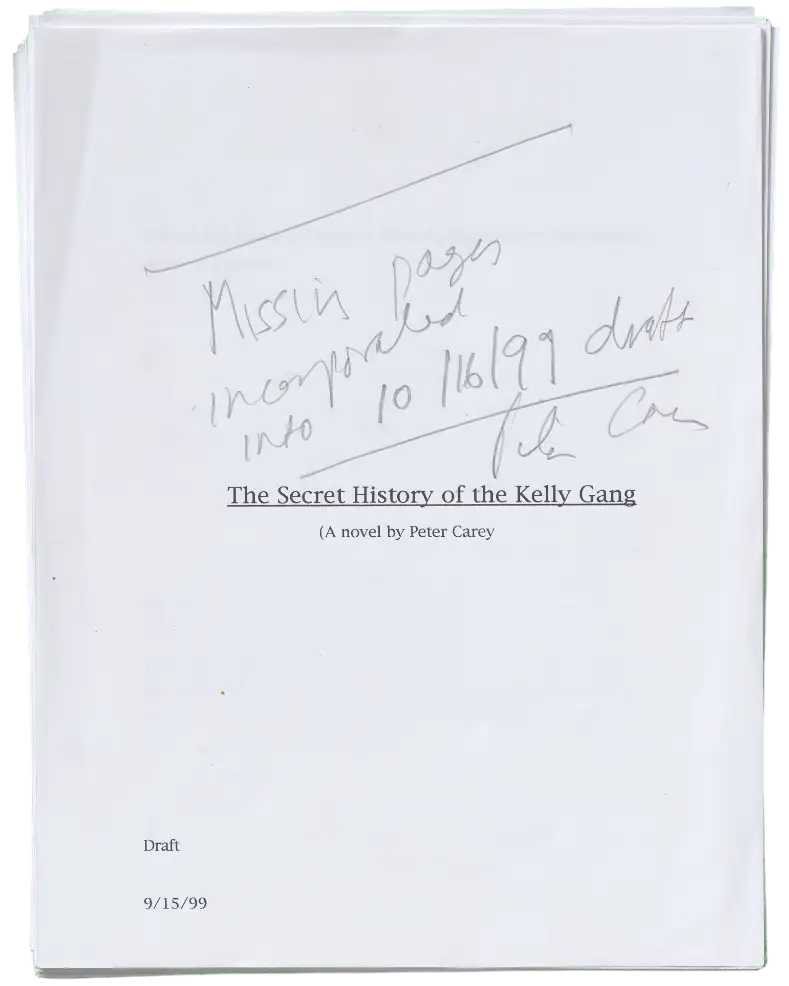
“Some have questioned my title, but Gary never did.”
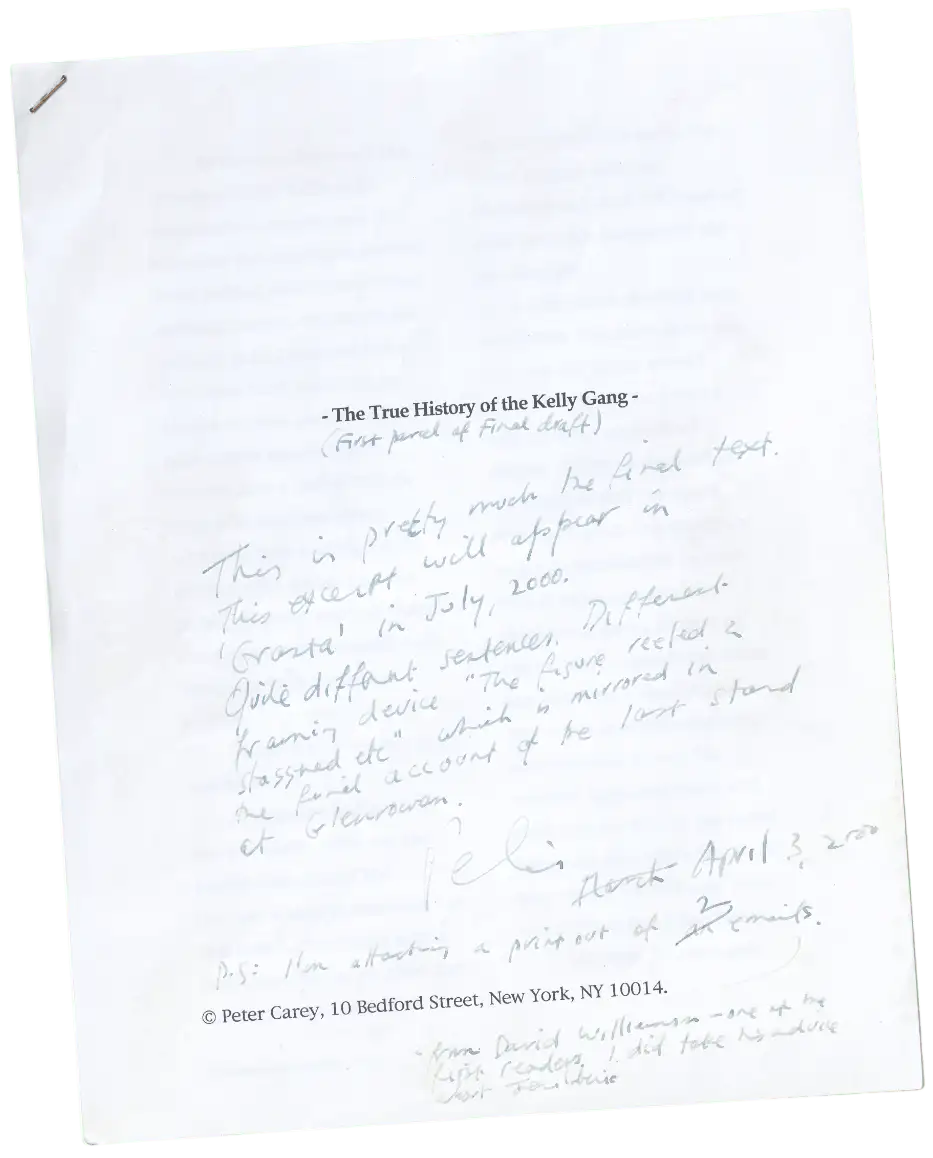
“He trusted the book was what Ned named it, with a label declaring it was the true story of a widow’s son who had been subject of perjury, false witness by the police and press.”
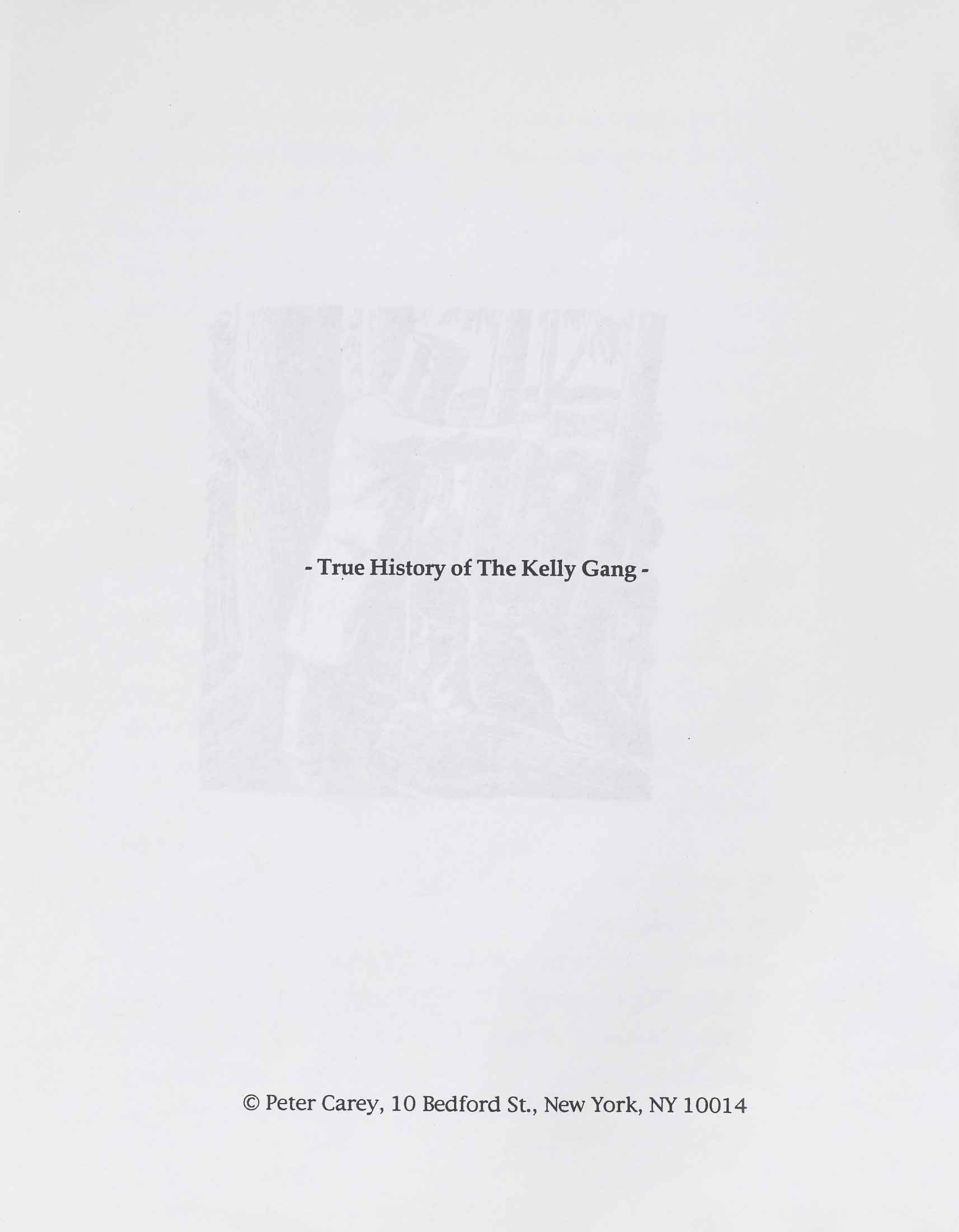
“<span class='underline'>True History</span> it must be and nothing less.”
1000 Days: Peter Carey on True History of the Kelly Gang
Curated by Kate Rhodes, Senior Curator, State Library Victoria
TEXT
Peter Carey
Introduction
Kate Rhodes
Graphic design
Ziga Testen
Interactive design
Jake Bonin
State Library Victoria Bart Geraedts, Anne-Marie De Boni, Yeoseop Yoon, Marika Kocsis, Amanda Wild, Emily Keppel, Monika Osang, Phizz Telford, Tim Hogan, Kevin Molloy, Daniel Wee, Susannah Bourke, Benedeta Monteverde, Michelle Moo, Isabel Baker

TEXT
Peter Carey
Introduction
Kate Rhodes
Graphic design
Ziga Testen
Interactive design
Jake Bonin
State Library Victoria
Bart Geraedts, Anne-Marie De Boni, Yeoseop Yoon, Marika Kocsis, Amanda Wild, Emily Keppel, Monika Osang, Phizz Telford, Tim Hogan, Kevin Molloy, Daniel Wee, Susannah Bourke, Benedeta Monteverde, Michelle Moo, Isabel Baker